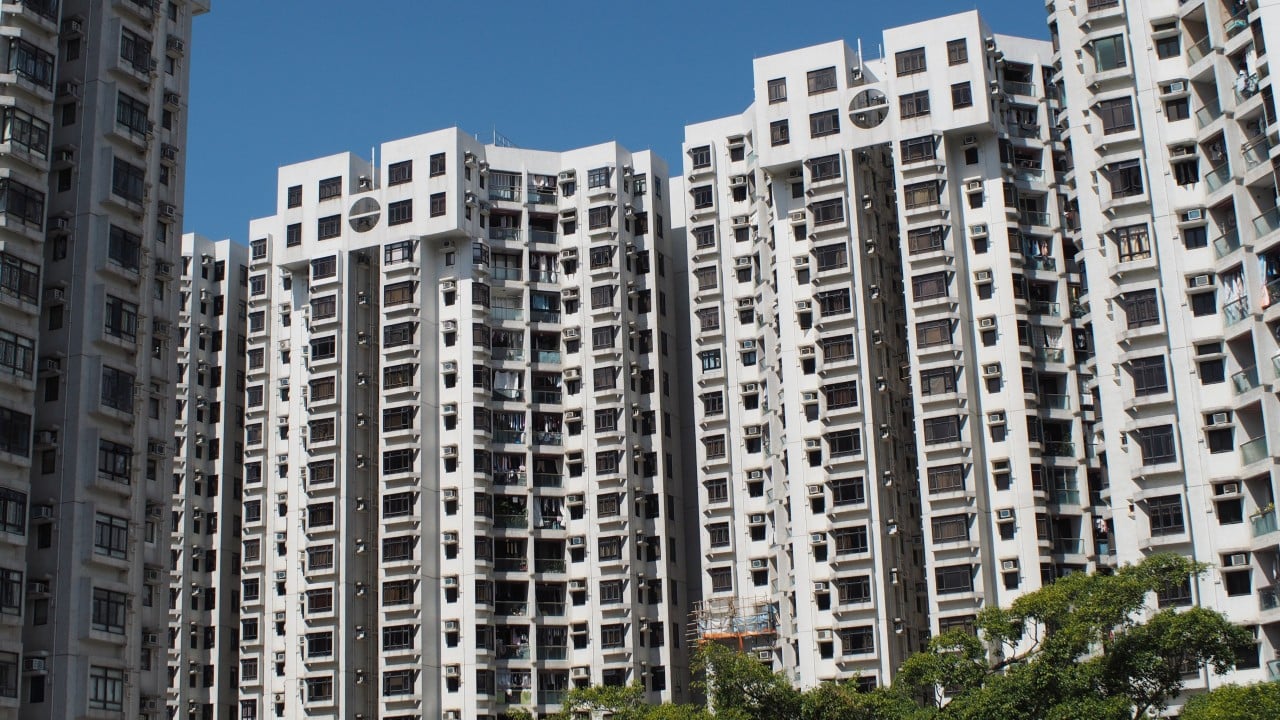
Quiet residential complexes rarely hint at the boiling pressures hidden behind closed doors. When emergency services rushed to Block 2 of the Heng Fa Chuen housing estate in Chai Wan on a Wednesday evening, neighbors expected a routine domestic disturbance call. Instead, first responders uncovered a grim crime scene. A 53-year-old woman, identified by the surname Wong, lay unresponsive inside her apartment with severe knife wounds to her neck. Paramedics pronounced her dead at the scene, triggering a high-profile murder investigation that quickly zeroed in on her husband.
The suspect, a 52-year-old man also surnamed Wong, was taken into custody by district crime officers. Investigators later classified the case as murder, sending shockwaves through the sprawling eastern district housing estate. Behind the flashing police lights and cordoned-off hallways lies a darker conversation about financial pressure, mounting debt, and the cracking foundations of urban family life in Hong Kong.
Financial Strain And Boiling Point Realities
Crimes of this nature rarely happen in a vacuum. Police briefings and local intelligence soon revealed a grim backdrop of severe financial distress. Investigators determined that mounting debts totaling over a million dollars had placed immense strain on the household. In a city where the cost of living relentlessly climbs, financial obligations can morph into psychological cages.
People don't just snap overnight. The path from stable employment to catastrophic domestic violence involves months of quiet desperation. Neighbors often describe families caught in these spirals as ordinary or quiet. In this specific case, police noted that the household lacked any prior reported history of domestic violence or diagnosed mental illness. That detail unnerves people. It shatters the comforting illusion that domestic tragedies only strike dysfunctional or visibly troubled homes.
The Immediate Aftermath And Police Response
The speed of the police response highlights the severe priority assigned to violent crimes within residential estates. Officers arrived at Heng Fa Chuen shortly before 8 p.m. after receiving urgent distress calls. The apartment was immediately sealed off for forensic examination.
According to investigative details pieced together by district units, the suspect took preliminary steps to safeguard his younger family members before turning himself in. Reports indicate the man transported his younger son to relatives in Kowloon City before heading to a police station. That chilling transition from family protector to criminal suspect underscores the severe cognitive dissonance present during such violent episodes.
Confronting Urban Stress And Support Gaps
Incidents like the Heng Fa Chuen murder force a difficult look at how society handles acute financial and emotional crises. Hong Kong's dense living conditions amplify stress. When debts pile up and communication breaks down, isolation takes over.
Traditional support networks often fail because individuals hide their struggles out of shame. Pride keeps people from seeking debt restructuring counseling or mental health intervention until it is too late. Communities must recognize the warning signs of extreme distress—withdrawal, sudden behavioral shifts, or insurmountable financial panic—long before situations escalate to physical violence.
If you or someone you know is facing overwhelming financial pressure, domestic conflict, or emotional distress, confidential help lines are available across Hong Kong. Reaching out to organizations like the Samaritans or social welfare departments can provide an immediate lifeline before despair turns permanent.
Heng Fa Chuen Tragedy Deep Dive
This video report explores the broader context of domestic emergencies and police responses in residential neighborhoods.