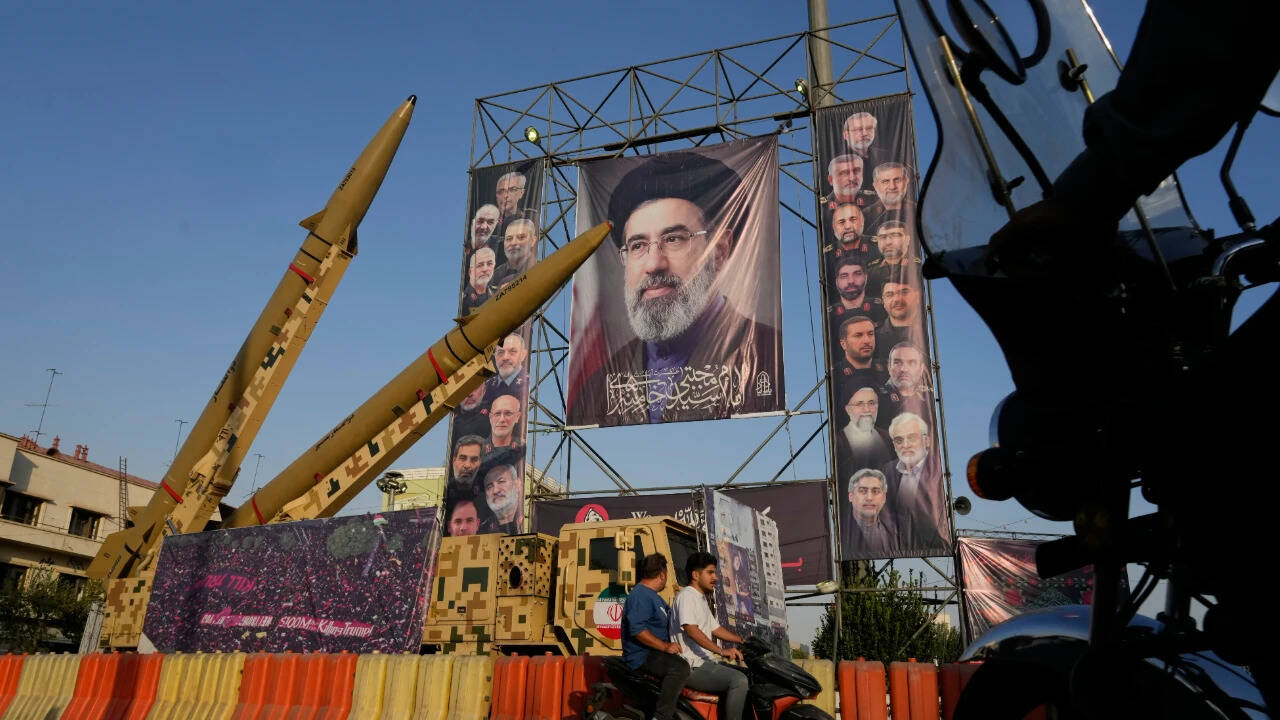
Iran is not broke in the simple accounting sense of a closed bank vault, yet its cash engine is grinding against steel and code. A United States naval blockade has choked off an estimated $25 billion in Iranian oil revenue, while Washington has frozen roughly $350 million in Iranian cryptocurrency assets, flipping a decades-old regional patronage model on its head as Iran-aligned militias push money back toward the Islamic Revolutionary Guard Corps (IRGC).
For years, analysts treated Tehran’s "axis of resistance" as a one-way spigot. Money flowed out from Tehran to subsidize rockets, payrolls, and local political clout in Lebanon, Iraq, Yemen, and beyond. Now, with maritime interdictions biting hard and digital rails under heavier scrutiny, the money trail has started running in reverse.
What looks like a sudden collapse on a headline ticker is actually a slow-motion collision between physical chokepoints, blockchain forensics, and a state that built its survival around shadow trade.
How a Naval Blockade Turns Oil into Stranded Barrels
Crude oil is the lifeblood of the Iranian state budget. When tankers cannot move cleanly out of the Persian Gulf or past enforcement zones, revenue does not merely dip—it locks up in floating storage, discounted side deals, and idle refinery runs.
In October 2026, U.S. Central Command chief Adm. Brad Cooper reported that the naval blockade had cost Tehran around $25 billion in lost oil revenue. Maritime enforcement had been imposed in April, briefly lifted in June during draft diplomatic talks, and reimposed in July after those talks unraveled. Even when smaller vessels or refined products slip through—such as liquefied petroleum gas or jet fuel cargoes tracked by shipping monitors and reported by Reuters—the bulk of high-volume crude exports faces steep friction.
A blockade does not have to stop every single barrel to wreck a fiscal plan. It only needs to raise insurance, freight, and discount costs until state margins evaporate.
Smugglers have tried every trick in the book for decades. They turn off transponders, blend cargoes at sea, forge origin paperwork, and route payments through offshore shell firms. Those tactics still work on the margins, especially when domestic storage fills up and refineries look for outlets for excess products like jet fuel. Still, physical naval pressure changes the math. Every extra mile of detour and every seized or shadowed tanker eats into the net dollars that actually reach Tehran.
Why Reverse Cash Flows from Militias Matter
For decades, Tehran acted as the central clearinghouse for regional armed groups. Subsidies kept allies loyal and gave the IRGC deep operational reach across borders without putting its own regular forces into every fight.
When CENTCOM stated that Iran-backed militias were sending money back to help a cash-strapped IRGC, that detail cut straight to the heart of the regime's model. A patron leaning on its clients for cash is signaling strain on its core payrolls and logistics.
Still, we should read reverse flows with clear eyes. They do not automatically mean militias are bankrolling the entire Iranian state or turning independent overnight. Many of these groups operate their own local rackets—smuggling fuel, taxing border crossings, skimming state contracts, or running trade networks in places like Iraq. Moving slices of that money back toward IRGC handlers helps patch urgent liquidity holes, especially around troop pay and procurement, without erasing Tehran's strategic command.
The Crypto Trap Behind the $350 Million Freeze
Cryptocurrency was supposed to be sanctions armor. For years, Iranian facilitators leaned on digital assets to settle cross-border trades, bypass correspondent banks, and move value when traditional wire transfers were blocked.
Then came the catch that every illicit finance network eventually discovers. Public blockchains leave permanent footprints.
Cooper noted that CENTCOM and the U.S. Treasury Department had frozen $350 million in Iranian cryptocurrency assets in recent weeks, building on years of Treasury sanctions against shadow crypto networks and front companies as well as regulatory warnings from the Financial Crimes Enforcement Network (FinCEN). Once investigators cluster wallets, map exchange bridges, and identify centralized stablecoin issuers or compliant off-ramps, funds that looked untouchable on-chain can be frozen or blacklisted at choke points.
Consider a hypothetical example to see how the squeeze works in practice. Suppose a trading shell in the Gulf sells discounted fuel oil and settles in dollar-pegged stablecoins rather than bank wires. At first, the transfer looks fast and discreet. Yet once compliance teams trace the wallet cluster back to a sanctioned facilitator or a known exchange gateway, stablecoin issuers can freeze the tokens on smart-contract rails, or partner exchanges can block conversion into local fiat cash.
Crypto still helps sanctions evaders move money faster than paper invoices. It is not a magic shield. Every extra hop, mixer, or nested broker adds fees, delays, and the risk of getting stranded.
What Sanctions and Blockades Miss on the Ground
Anyone who has watched sanctions regimes over the last thirty years knows better than to confuse fiscal pain with instant political collapse. Authoritarian states adapt. They ration foreign exchange, squeeze imports, lean on domestic security forces, and push hardship onto ordinary households long before the leadership runs out of options.
Inside Iran, inflation, sluggish housing demand, and tight credit already weigh on everyday families. Meanwhile, domestic political disputes over anti-money-laundering rules and Financial Action Task Force standards show how tangled Tehran's own institutional incentives remain.
There are also real limits to financial and naval pressure:
- Refined products and niche trades can still slip past patrols through smaller tankers or neighboring jurisdictions.
- Informal value transfer systems and religious or charitable channels—which regulators like FinCEN have flagged for potential abuse—remain hard to monitor across borders.
- Escalation risks rise when a cornered leadership looks for leverage, including heightened threats to merchant shipping in vital waterways like the Strait of Hormuz.
Reading the Next Phase of the Pressure Campaign
A $25 billion oil hit, $350 million in frozen crypto, and militias kicking money back to the IRGC point to a regime fighting a two-front economic war on the water and on the ledger. The real test is not a single headline figure. It is whether Tehran can keep its security apparatus paid, its regional allies supplied, and its domestic economy from fracturing while its easiest revenue lines stay jammed.
Watch the tanker AIS transponders, stablecoin freeze actions, and local currency swings in Tehran over the coming months. Those quiet indicators tell you far more about the durability of the system than any war of words.