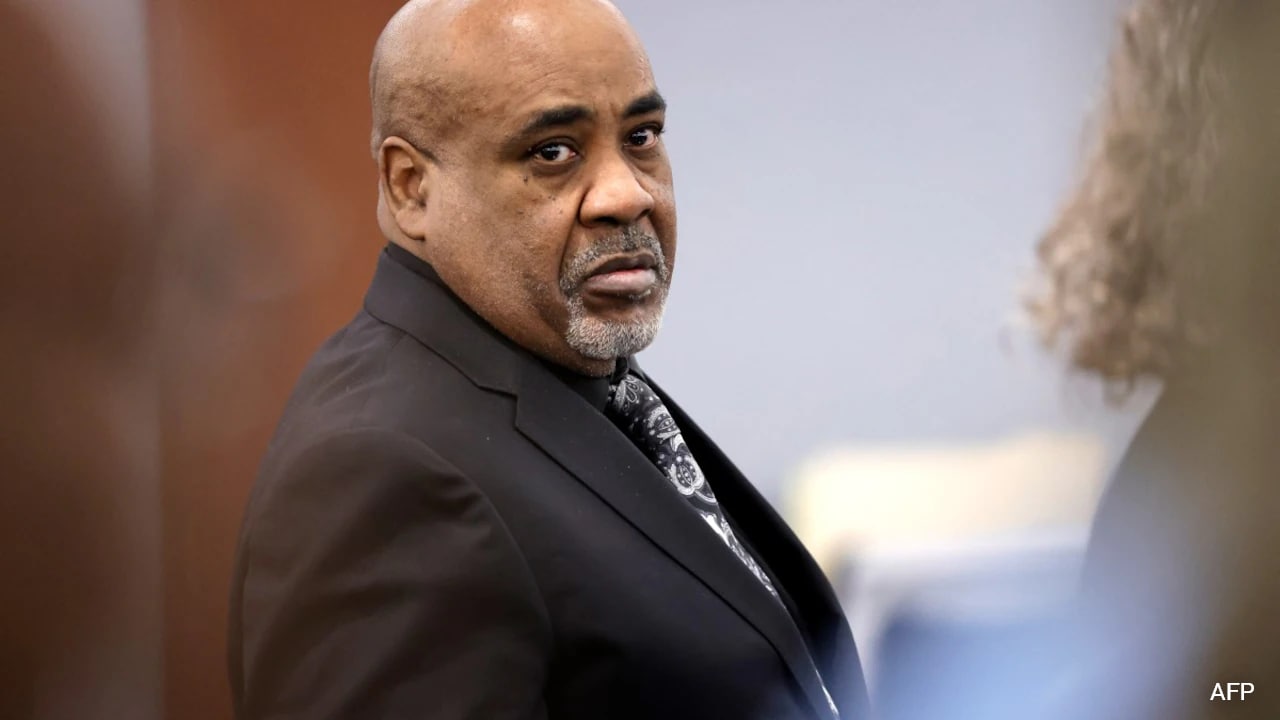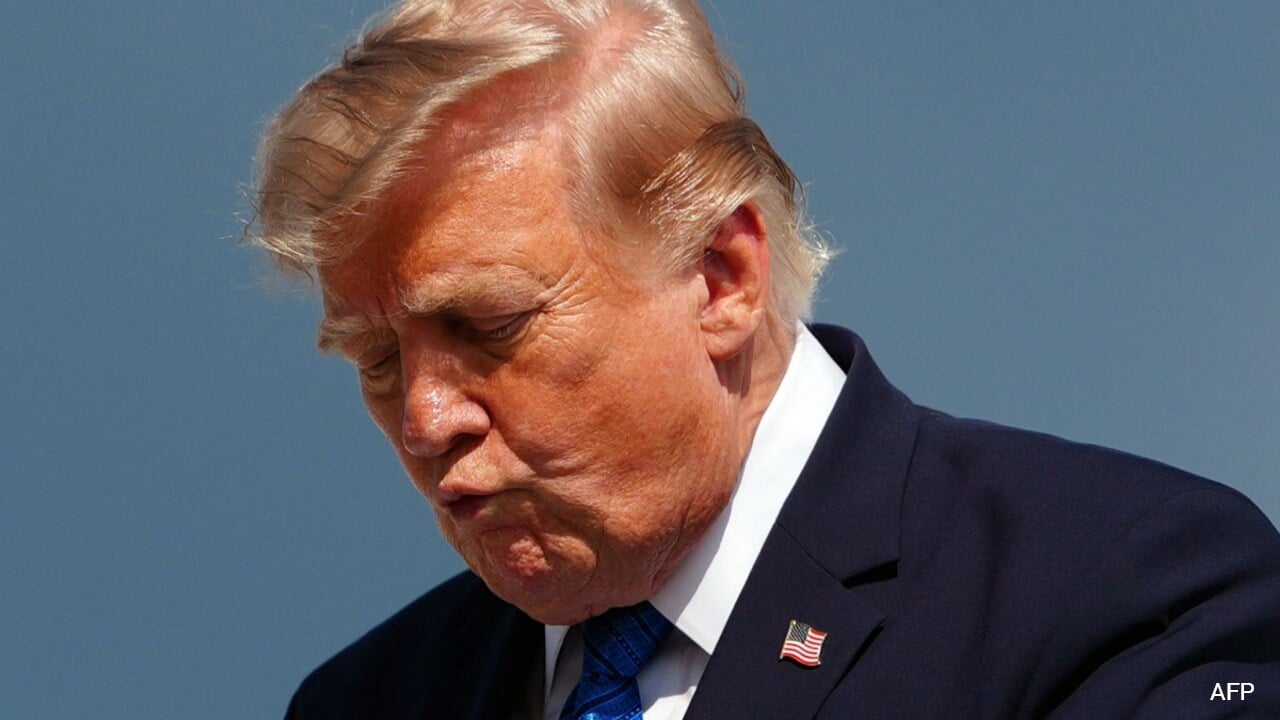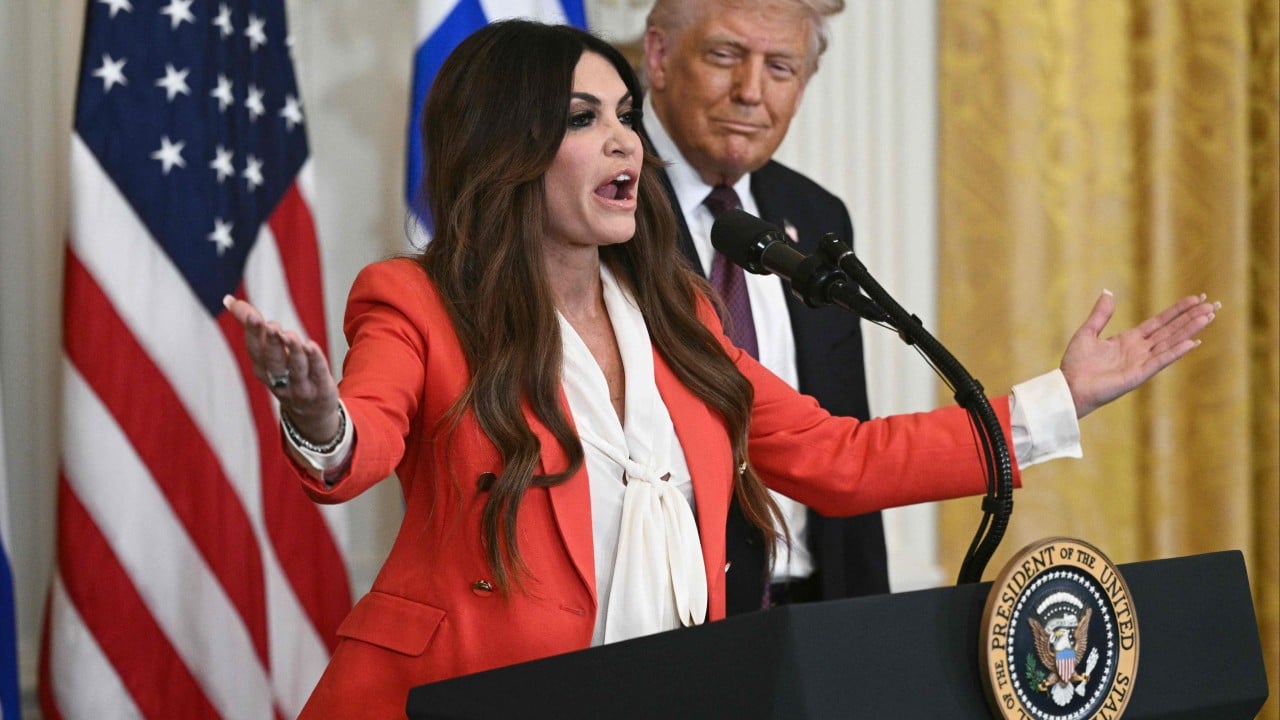
President Donald Trump asked Kimberly Guilfoyle to resign as U.S. ambassador to Greece on October 13, 2026, following a cascade of investigative reports alleging improper financial dealings, donor solicitation, and abuse of diplomatic standing. After less than a year in Athens, the high-profile political appointee stepped down at the White House's request while vowing to vigorously defend her reputation and integrity.
Anyone covering Washington and Athens for thirty years knows how these stories usually play out. A headline drops about a forced resignation, cable news chews it over for forty-eight hours, and the diplomatic machinery moves on. Yet reducing Guilfoyle's ouster to a simple case of a political loyalist getting caught in a scandal misses the deeper rot that turned a premier Eastern Mediterranean embassy into a liability.
The real story is not merely what Guilfoyle allegedly did. It is how transactional politics, thin vetting, and blurred lines between personal fundraising and sovereign diplomacy collided in one of Washington's most strategically sensitive capitals.
How a High-Profile Appointment Unraveled in Eleven Months
Confirmed by the U.S. Senate in September 2025 after being nominated late the previous year, Guilfoyle arrived in Athens carrying massive political baggage and even bigger expectations. A former prosecutor and television host who had once been engaged to Donald Trump Jr. and helped run Trump campaign fundraising, she was the first woman named to lead the U.S. mission to the Hellenic Republic.
Her supporters saw a forceful messenger for an America First posture in a region bristling with maritime disputes, energy corridors, and great-power competition. Critics saw something else entirely. Career diplomats and foreign policy observers watched closely to see whether a campaign fundraiser and media personality could handle the quiet, painstaking work of alliance management.
By autumn 2026, those doubts were no longer theoretical. Reports in The Wall Street Journal and other outlets laid out a troubling pattern of alleged behavior, including claims that Guilfoyle sought help from a Republican donor to pay off a $100,000 American Express bill in exchange for high-level administration access.
The timing could hardly have been worse. Secretary of State Marco Rubio had just wrapped up a high-profile visit to Greece, where journalists pressed him on the swirling allegations. Rubio bristled at the tarmac questioning, dismissing unconfirmed reporting as far from gospel while standing beside Guilfoyle as he departed.
Days later, the dam broke. White House press secretary Katie Zacharia confirmed at her first briefing that the administration had asked Guilfoyle to resign, even as she called her a wonderful asset and wished her well. Trump told reporters he had not spoken with her directly and added bluntly that he did not like what he had read.
The Anatomy of the Allegations and the Denials
Stripping away the noise, the allegations against Guilfoyle center on three interconnected vulnerabilities that plague modern political appointments. First came the donor solicitation claims, most prominently involving Kentucky attorney and former congressional candidate Eric Deters, who told reporters she asked him to cover a six-figure credit card tab while dangling access across top federal agencies.
According to those accounts, encrypted messages on Signal allegedly included promises to be a "Trump ride or die" and warnings against putting arrangements in writing. Deters said he never made the payment and claimed she never delivered on promised access.
Second were questions surrounding luxury travel, outside hospitality, and commercial ties in the region. Reporting pointed to boasts about wealthy business figures helping cover travel expenses, alongside congressional inquiries examining reported links to Greek business interests and alleged pressure on Balkan governments regarding major contracting.
Third was the sheer optics of grievance and distraction. Accounts surfaced detailing anger over missed invitations at elite gatherings such as the World Economic Forum in Davos, feeding a perception among observers that personal status and social friction were competing with official duties.
Guilfoyle and her legal team have pushed back hard against the narrative. Her lawyers rejected allegations of improper private travel by stating she sought, obtained, and followed State Department guidance and travel regulations before every trip, while disputing the authenticity of messages shared with the press and arguing she was owed money for earlier speaking appearances.
When an envoy's personal finances, donor relationships, and social grievances become the main story in the host capital, the embassy stops projecting strength and starts projecting chaos.
That gray area matters. In Washington, allegations published in reputable outlets are not automatically proven facts in a court of law, and subjects of investigations routinely challenge leaked messages or selective timelines. Yet in diplomacy, perception carries real weight long before a subpoena is answered or a court rules.
Why Athens Is Never Just a Postcard Posting
To understand why Guilfoyle's departure hit a nerve beyond beltway gossip, look at the map. Greece sits at the crossroads of southeastern Europe, the Eastern Mediterranean, and the Black Sea.
For decades, Athens has mattered to Washington for reasons that go far beyond ancient ruins and summer tourism. It is a NATO ally anchoring the southern flank, a key partner in regional energy security and port infrastructure, and a bellwether for how European capitals balance ties with Washington against commercial pressures from Beijing and Moscow.
When a major embassy loses its chief of mission abruptly under a cloud of corruption claims, the damage is rarely confined to press clippings. Greek media commentators quickly began describing the U.S. mission as rudderless or dysfunctional at a moment when regional tensions demanded steady execution.
Even when a capable deputy chief of mission steps into the breach—as career diplomats routinely do when embassies sit vacant or in transition—a chargé d'affaires does not carry the same political signaling power as a confirmed ambassador. Foreign leaders read personnel turmoil as a sign of domestic distraction in Washington.
The Structural Flaw Behind Political Ambassadorships
This episode is not unique to one administration, though its details are distinctly sharp. Every modern U.S. president rewards major fundraisers, loyal surrogates, and familiar media allies with ambassadorships, often to key European or Caribbean capitals.
Sometimes that gamble works. A well-connected political appointee can pick up the phone and reach the president or cabinet secretaries in ways a career Foreign Service officer never could.
When it goes sideways, however, the failure mode is predictable. Political appointees frequently bring campaign-era habits—transactional dealmaking, aggressive media posturing, and blurred lines between personal networks and public office—into a system built on statutory ethics rules, institutional memory, and quiet discretion.
Consider a hypothetical scenario that illustrates the compliance trap. Suppose a newly minted ambassador travels abroad and relies on wealthy local contacts for logistics, introductions, or hospitality while juggling lingering personal debts back home. Even if every flight technically clears a narrow regulatory check, the appearance of indebtedness to private actors or political donors creates immediate leverage risks for host-country officials and foreign intelligence services alike.
That is why ethics officers and Senate foreign policy staff spend so much time scrutinizing financial disclosures, outside income, and personal relationships before confirmation. When vetting moves too fast or loyalty overrides rigor, the bill often comes due months later in embarrassing public installments.
Comparing Career Diplomats and Political Envoys
| Dimension | Career Foreign Service Officer | Political Appointee |
|---|---|---|
| Primary Path | Decades in diplomatic service and interagency posts | Presidential nomination tied to political or campaign service |
| Core Strength | Deep regional expertise, institutional fluency, process discipline | Direct line to the White House and high-visibility political reach |
| Primary Risk | Bureaucratic caution or lower profile with top leadership | Ethics exposure, thin regional background, or political fallout |
| Impact of Ouster | Treated as a personnel shift within a career track | Triggers partisan headlines, confirmation scrutiny, and image hit |
Neither model is a cure-all. Career diplomats can occasionally become overly wedded to conventional consensus, while political envoys can inject urgency and direct access. The trouble starts when direct access is treated as a personal asset rather than a public trust.
What Congressional Scrutiny Means Next
The forced exit in October did not close the book on Kimberly Guilfoyle's tenure in Greece. House and Senate Democrats have moved to press for records, examine alleged pay-to-play dynamics, and scrutinize communications tied to donors, travel, and regional business interests.
Lawmakers on oversight and foreign affairs committees are looking at whether rules governing outside gifts, communications apps, and influence peddling were bent or broken. Expect partisan sparring along familiar lines, with administration allies arguing the story was blown out of proportion or built on disputed claims, and critics insisting that resignation alone is no substitute for accountability.
There is also a practical ripple effect across the confirmation pipeline. Whenever a high-profile political envoy exits under a cloud of alleged corruption, lawmakers become more skeptical of subsequent nominees with thin diplomatic resumes, slowing down staffing across an already uneven global footprint.
For the White House, cutting Guilfoyle loose was a damage-control move designed to stop the bleeding after Rubio's trip and keep a messy story from consuming broader foreign policy priorities. Yet firing an ambassador after the headlines hit does not repair the credibility lost when an alliance capital watches an envoy's private disputes play out in front of the world.
In high-stakes diplomacy, a single compromised post can echo across an entire region long after the nameplate on the door changes.