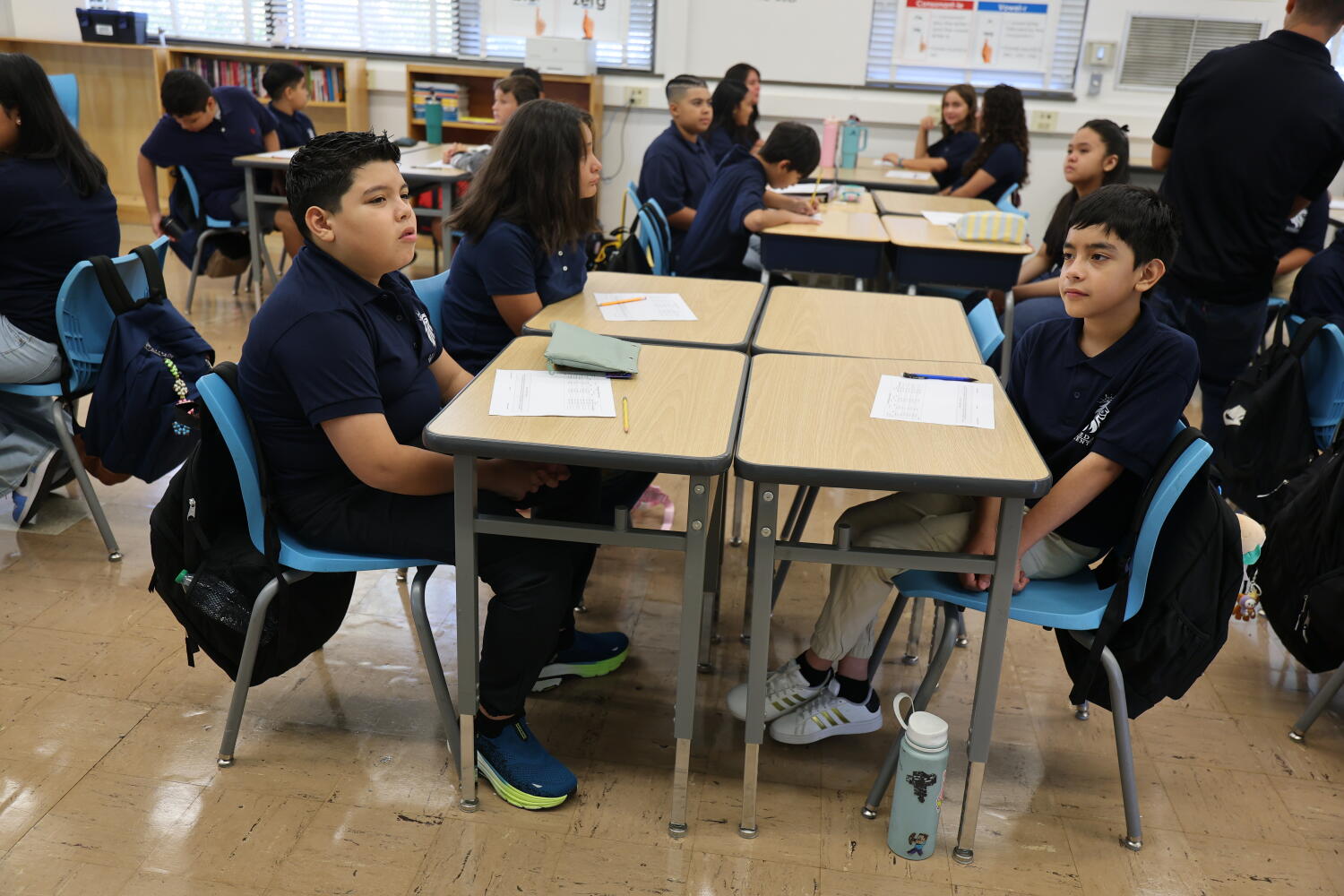
The promise of Proposition 28 was breathtakingly simple. California voters overwhelmingly approved a measure designed to pump roughly $1 billion annually into public schools specifically for arts and music education, bypassing the usual bureaucratic black holes by mandating that the money expand classroom instruction rather than plug routine district budget holes. Yet within the nation’s second-largest school district, that promise collided with political maneuvering and creative bookkeeping. The Los Angeles Unified School District faced a high-stakes lawsuit brought by student families and the very author of the ballot measure, alleging that nearly $80 million in initial arts allocations were systematically diverted to maintain status-quo spending.
At the heart of the legal battle is a fundamental disagreement over statutory compliance and fiscal shell games. Proposition 28 explicitly required districts to supplement, not supplant, existing spending. Districts could not simply slap a new funding label on pre-existing staff salaries or programs and claim compliance. Yet, internal communications cited in the complaint suggested that administrators viewed the incoming windfall as a convenient way to offset existing operational costs. For low-income campuses where the arts had long been stripped away by systemic budget cuts, the administrative shuffle meant that classrooms remained bare while millions flowed into central district accounts.
The litigation exposes structural weaknesses in how major educational mandates are monitored. When voters pass statewide funding acts, the enforcement mechanism often relies on an understaffed state department of education with little appetite for aggressive auditing. Local school boards operate with wide latitude, and when superintendents face chronic enrollment declines and ballooning overhead, the temptation to absorb dedicated revenue streams into the general fund becomes overwhelming. Critics argue that without independent oversight committees composed of educators, parents, and community watchdogs, dedicated funds routinely get swallowed by administrative bloat.
The human cost of this budgetary friction is visible on high school campuses across the district. Students face mandatory arts graduation requirements while sitting in schools where elective classes are chronically overbooked or entirely absent. For teenagers trapped in under-resourced schools, the absence of creative outlets strips away a vital anchor that keeps students engaged. When funding measures are treated as optional suggestions rather than hard legal floors, equity in public education remains an illusion.
Legal proceedings continue to grind through county courts, forcing school administrators to defend accounting practices that critics call a direct betrayal of the electorate. Whether the outcome results in reclaimed funds or tighter state oversight, the dispute serves as a stark warning about the gap between legislative intent and institutional reality. Money alone cannot fix a broken apparatus if the machinery itself is engineered to redirect resources away from the classroom.