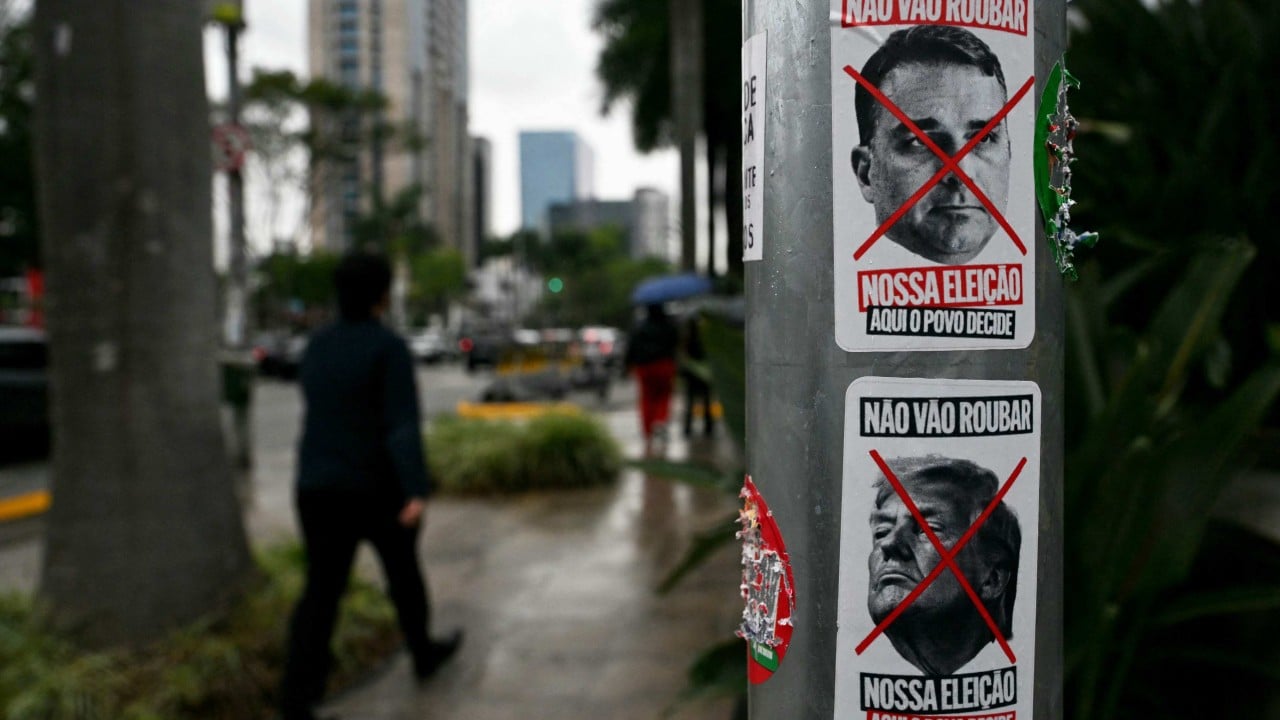
Flávio Bolsonaro fled Brazil for the United States on October 27, 2026, crossing by land into Argentina and flying through Ecuador to land near Miami just three days after losing the presidential runoff to incumbent Luiz Inácio Lula da Silva by more than four million votes. By defying a Supreme Court order to surrender his passports amid an active money laundering investigation, the Brazilian senator traded his domestic political leverage for immediate immunity in Florida, triggering an unprecedented collapse of his own party's support and leaving the Brazilian far right leaderless.
Most coverage of the escape frames it as a simple repeat of his father Jair Bolsonaro's 2022 post-election retreat to Orlando. That reading misses the structural reality on the ground in Brasília. Jair left office in 2022 before formal indictments closed the border, maintaining a unified, belligerent base that believed the military might still intervene. Flávio ran and lost in a completely altered institutional environment. His father was already under house arrest following a conviction over a 2022 coup plot. His brother Eduardo had already been convicted by a Supreme Court panel for judicial coercion. When Flávio boarded a private charter bound for Opa-Locka Executive Airport on October 28, he was not executing a strategic withdrawal. He was outrunning a closing cell door.
The Anatomy of a Four-Million-Vote Collapse
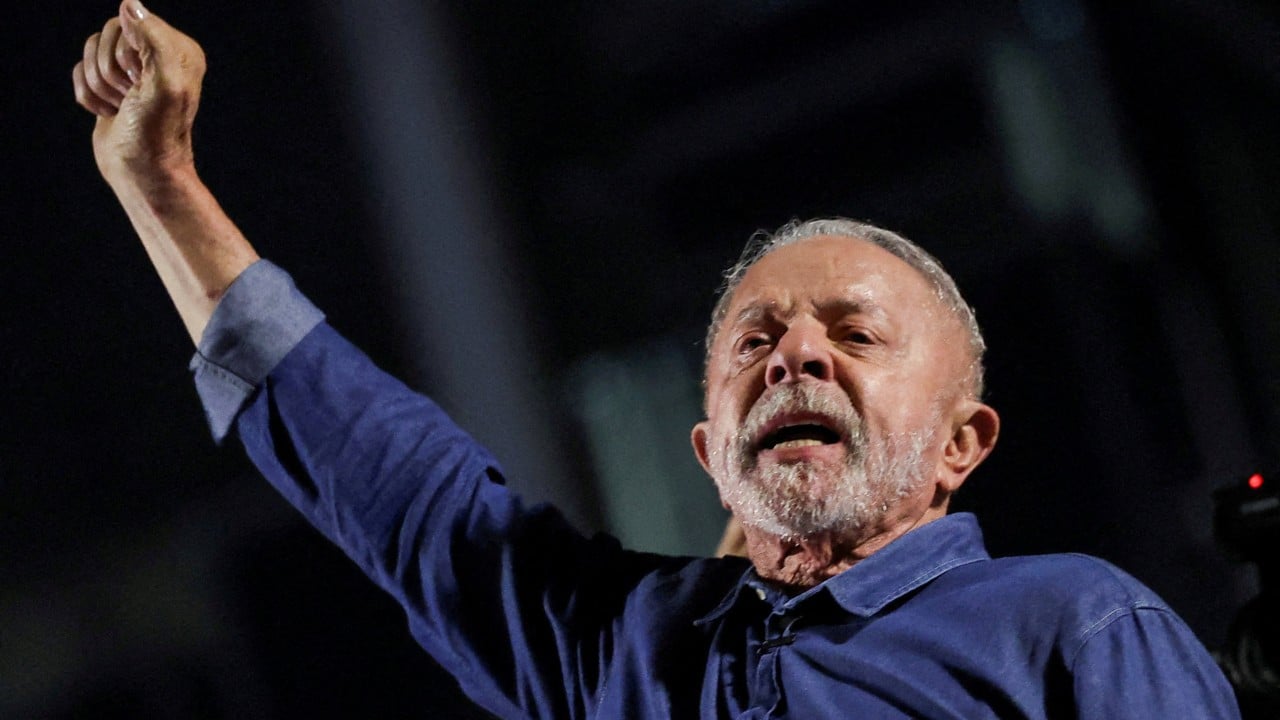
To understand why a sitting senator risked international fugitive status, you have to look at the math of the October 25 runoff. Heading into the final weekend, the Bolsonaro campaign projected confidence that economic frustration and aggressive digital campaigning would carry the eldest son to the Planalto Palace. Instead, Lula pulled off a decisive comeback, winning by more than four million votes.
The margin mattered. A razor-thin loss gives a populist movement oxygen to scream fraud and paralyze highways. A four-million-vote deficit destroys the premise of a stolen election before the first protest banner can be printed.
Yet Flávio refused to concede. Within hours of the results being certified, his legal team filed petitions demanding an annulment and seeking to disqualify Lula's ticket over alleged abuse of economic power. For twenty-four hours, the campaign attempted to run the familiar playbook of institutional denial. Then the judiciary moved faster than the street protests could organize.
On Monday, October 26, Supreme Court Justice Alexandre de Moraes—the same jurist who oversaw Jair Bolsonaro's coup trial—ordered Flávio to surrender his passports and barred him from leaving Brazilian territory. The order stemmed from a money laundering investigation assigned to de Moraes by lottery on October 16, nine days before the runoff. With the election lost and his parliamentary immunity offering diminishing protection against Supreme Court preventive detention, Flávio faced an immediate binary choice. Stay in Brasília and fight a high-stakes criminal prosecution under a judge who had already jailed his father, or run while the border crossings were still unguarded.
A Border Run Through the Southern Cone
He chose the highway. Rather than attempting to clear federal police checkpoints at international airports in São Paulo or Brasília—where his passport flag would have triggered an instant arrest—Flávio and his family drove south.
On Tuesday, October 27, they crossed by land into neighboring Argentina. Land borders across the Mercosur bloc frequently lack the synchronized, real-time biometric alerts that lock down major air terminals, giving high-profile travelers a narrow window to slip out before Interpol red notices or regional judicial alerts propagate. From Argentina, the group flew north to Ecuador, bypassing direct commercial routes that might have forced emergency layovers in jurisdictions friendly to Brasília.
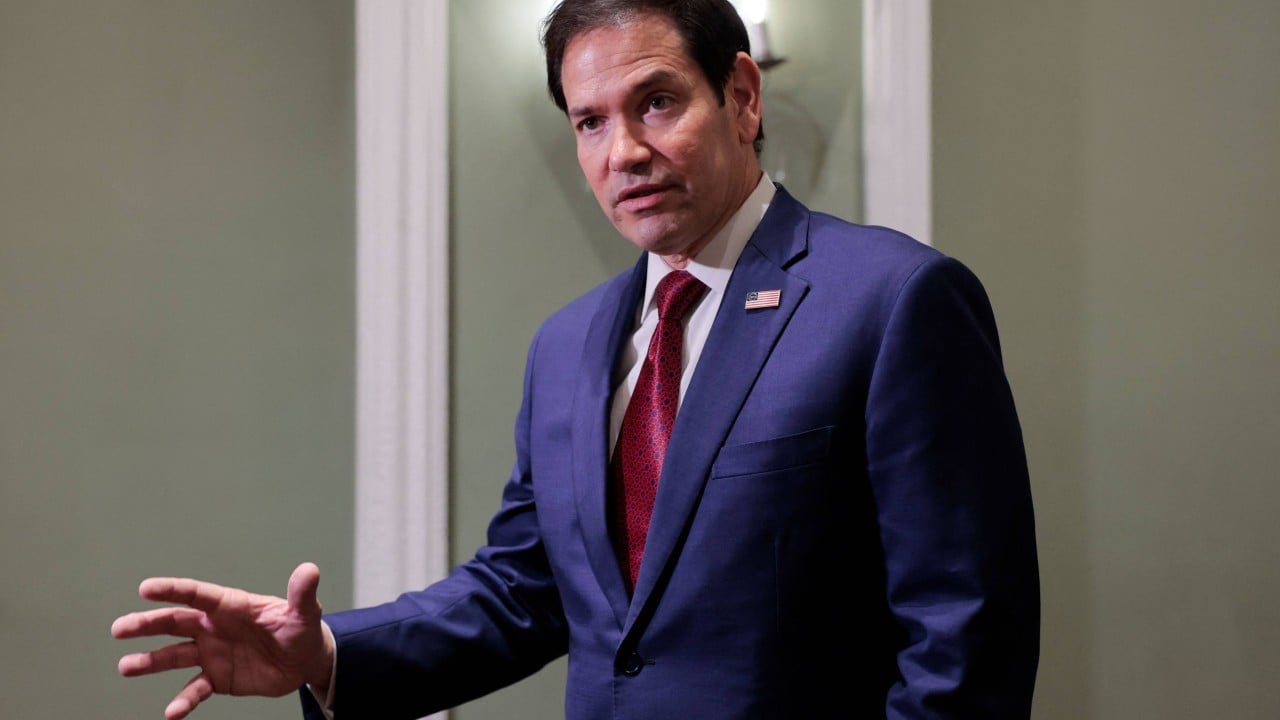
By Wednesday, October 28, the operation had direct diplomatic cover from Washington. The U.S. State Department granted Flávio and his family entry visas, allowing him to touch down at Opa-Locka Executive Airport outside Miami. President Donald Trump publicly endorsed the move, calling the Bolsonaros "fine people," dismissing Brazil's election as "very strange," and telling reporters that Flávio could stay in the United States as long as he wanted.
The logistics of the flight reveal a calculated extraction rather than a spontaneous panic. Securing U.S. diplomatic clearance for a foreign senator actively defying a Supreme Court travel ban requires high-level coordination between campaign operatives and sympathetic officials in Washington. Trump aides reportedly helped facilitate the entry, viewing the younger Bolsonaro as an ideological ally under siege by a hostile judiciary.
The Guaidó Delusion in South Florida
Once safely behind the perimeter of South Florida, Flávio attempted to transform a criminal flight into a government-in-exile. In his first public address from Miami on October 29, he declared himself the rightful leader of Brazil.
"I did not flee Brazil. I left for Brazil's sake," he told cameras, accusing Brazilian authorities of operating a "state of exception" and urging foreign governments not to recognize Lula's incoming term. He explicitly compared his position to that of Juan Guaidó, the Venezuelan opposition figure who claimed the interim presidency from abroad for years with Washington's backing.
As a piece of political theater, the comparison was disastrous. Guaidó claimed power in a country where international observers documented massive electoral manipulation and where dozens of Western nations immediately severed ties with Caracas. Brazil's 2026 election suffered no such international illegitimacy. Even more damaging for Flávio, his own political infrastructure abandoned the script within hours.
The Liberal Party (PL), the very electoral vehicle that carried Flávio onto the ballot, publicly recognized the legitimacy of Lula's victory. Across South America, conservative and right-wing governments aligned with the Trump administration broke ranks with Washington's rhetoric and lined up to congratulate Lula. Governors, mayors, and federal deputies from the Brazilian right—officials who actually have to govern states and negotiate budgets with Brasília for the next four years—had zero appetite for committing political suicide to indulge a fugitive's exile fantasy.
Judicial Overreach or Necessary Deterrence
Any honest accounting of this crisis has to confront the uncomfortable gray area at the heart of Brazil's institutional war. Two things can be true at the exact same time. Flávio Bolsonaro fled a legitimate criminal probe to avoid accountability, and Brazil's Supreme Court has accumulated extraordinary, concentrated power that fuels right-wing grievances.
For years, critics both inside and outside Brazil have questioned the mechanics of the Supreme Court's expansive inquiries. Justice Alexandre de Moraes has acted simultaneously as investigator, prosecutor, and judge in cases involving threats to democratic institutions, issuing sweeping speech restrictions, freezing assets, and ordering preventive detentions without traditional prosecutorial initiation. When the court ordered Flávio to surrender his passports less than twenty-four hours after the polls closed, it handed the Bolsonaro movement ready-made ammunition to argue that the judiciary was weaponizing criminal procedure to crush a defeated opponent.
Supporters of the court counter that extraordinary threats require extraordinary vigilance. Having watched a violent mob storm the Congress, Supreme Court, and presidential palace in January 2023—and having uncovered alleged plots to assassinate Lula—Brazilian justices operate under the conviction that hesitation invites institutional collapse. From their perspective, waiting weeks to restrict the travel of a heavily resourced defendant with deep ties to a sympathetic U.S. administration would have guaranteed his escape. As it turned out, even moving within twenty-four hours was not fast enough.
Yet by running, Flávio forfeited the strongest card he held. Had he stayed in Brasília, surrendered his passport, and fought the money laundering charges in court, he would have remained the undisputed leader of a massive parliamentary opposition, protected by Senate allies and positioned as a martyr for millions of voters. Instead, his departure validated the prosecution's core argument that he posed a severe flight risk.
The Hollowing Out of the Brazilian Right
The immediate casualty of the Miami flight is not Lula's administration, which enters its new term with its primary antagonist neutralized and its international standing intact. The real casualty is the Brazilian conservative movement.
For nearly a decade, the Bolsonaro family maintained an iron grip on the right by enforcing total personal loyalty. Ambition among rival governors or party leaders was routinely crushed by Jair Bolsonaro's ability to weaponize his base against anyone who deviated from family orthodoxy. That model worked only so long as the family remained on the battlefield in Brazil, commanding rallies, shaping legislative votes, and controlling campaign funds.
You cannot run a patronage network from a resort in Florida. Within days of his arrival, Flávio's self-proclaimed presidency was met with open ridicule at home, compounded by social media blunders and a rapid slide into diplomatic irrelevance. Speaking at a right-wing conference at Mar-a-Lago in early November, he found himself reduced to a cautionary tale—a politician trading domestic power for applause in foreign ballrooms.
Back in Brazil, the vacuum is already being filled. Pragmatic governors from states like São Paulo, Minas Gerais, and Paraná—figures who backed Flávio out of electoral necessity rather than ideological devotion—are quietly positioning themselves to inherit the conservative mantle without the legal baggage of the Bolsonaro surname. They understand a fundamental rule of Brazilian politics that the family in Miami seems to have forgotten: power in Brasília belongs to the people who show up to negotiate, not the ones who flee across the border when the count goes against them.
Watch Flavio Bolsonaro claims he is Brazil's true leader after fleeing to US for footage of his arrival and immediate defiance in Florida following the election.