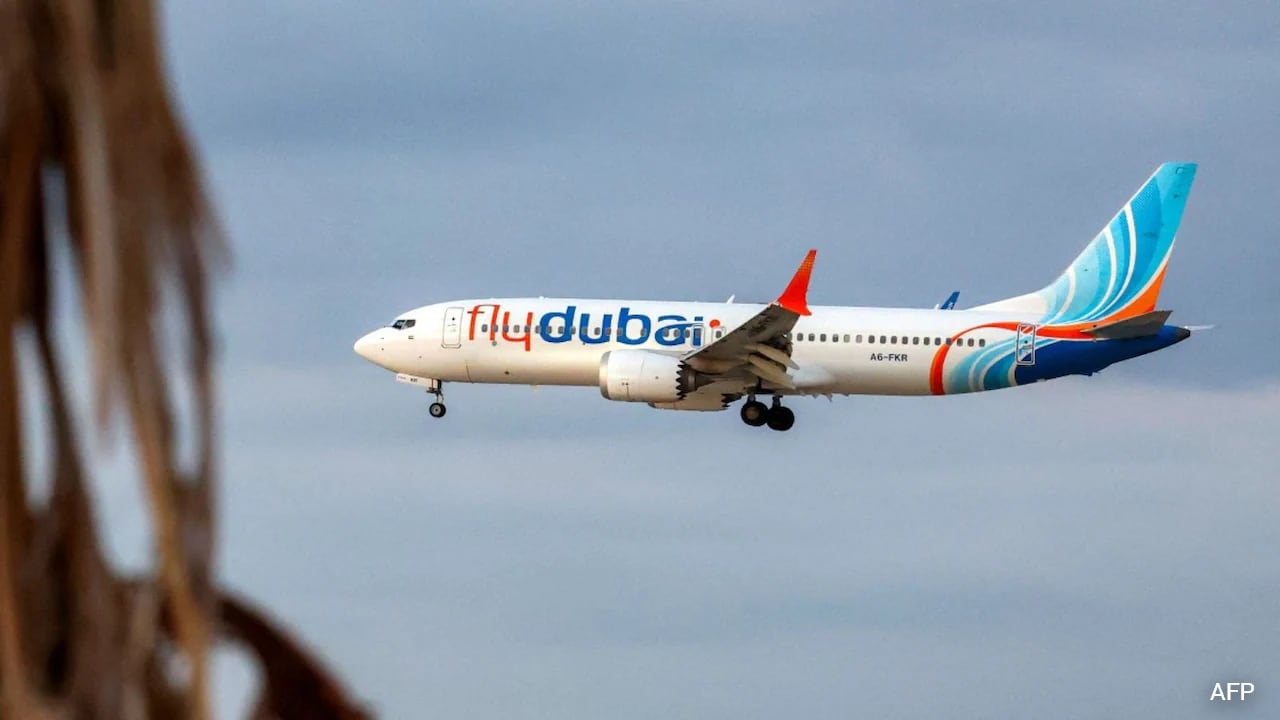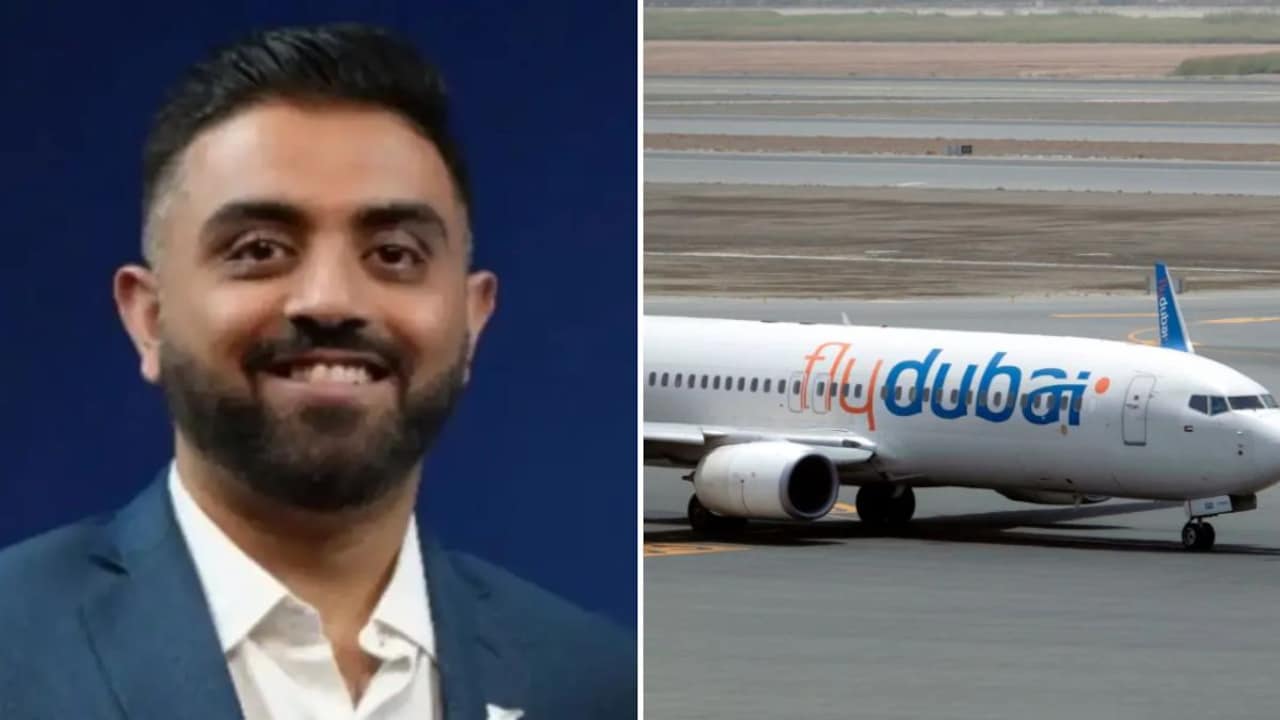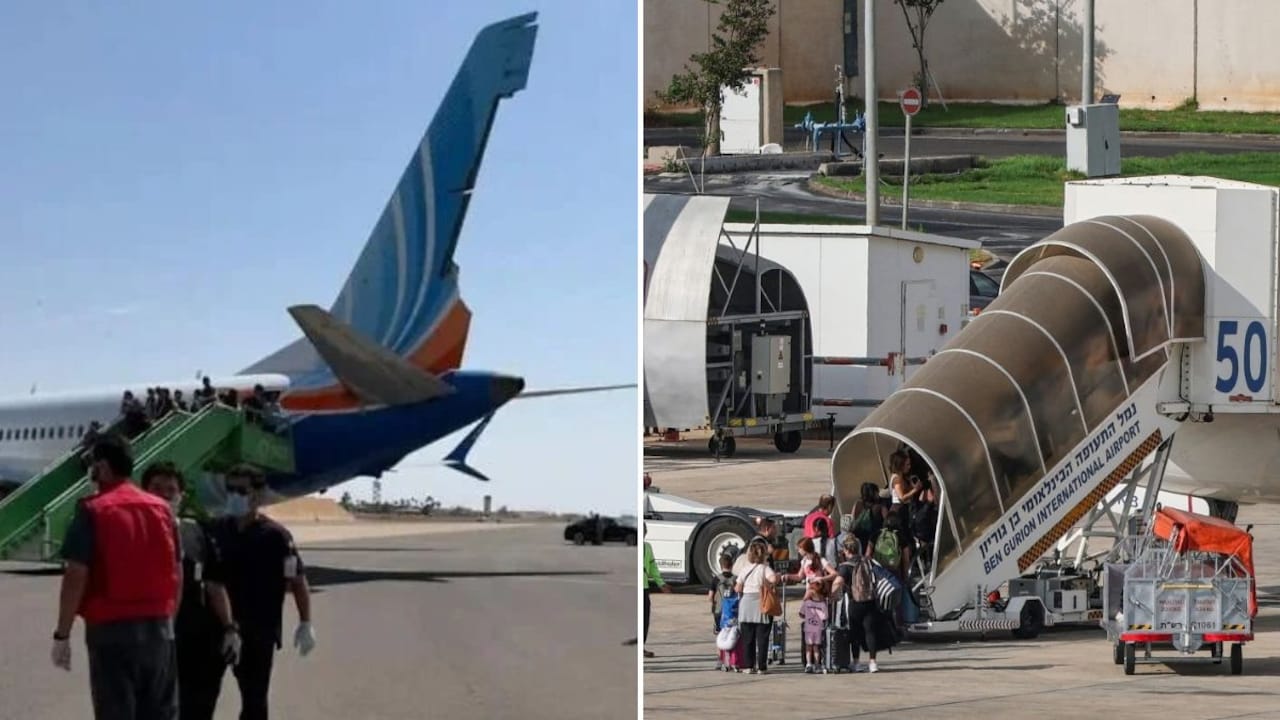
Thirty seconds. That is all the time a commercial airliner needs to drop out of the sky and turn a routine cabin into absolute chaos. When flydubai flight FZ1073 plunged 17,400 feet in under two minutes, the 180 passengers on board thought their number was up. They had no idea a violent struggle was unfolding inches away behind a locked cockpit door.
What saved everyone from disaster wasn't standard protocol or automatic safety systems. It was a chaotic mix of raw human instinct, an off-duty dentist, and deadheading pilots who happened to be sitting in economy.
When the Flight Deck Turns Into a Battleground
On paper, a flight from Dubai to Tel Aviv should be routine. But flight FZ1073 turned into a nightmare when a cockpit clash erupted between the captain, Smit Machchhar, and the first officer. Investigators later pieced together a terrifying picture of the co-pilot launching a sudden attack using a crash axe, severely wounding Captain Machchhar.
The aircraft suddenly went into a steep dive, losing altitude at a staggering rate. The plane crossed the threshold from a normal flight to a hijacking emergency in seconds, triggering squawk codes and scrambling air defense awareness near the Saudi-Jordanian border.
Most people trust that aviation security relies entirely on reinforced doors and digital locks. But doors swing both ways. When the captain managed to open the cockpit access to let help in, passengers didn't run away. They charged forward.
Ordinary People Acting as an Emergency Defense
Chaos erupted in the front rows when passengers heard screams and saw blood. A woman traveling with her children noticed something was terribly wrong and raised the alarm. Without waiting for instructions, everyday travelers and brave passengers rushed the flight deck.
They wrestled the attacker away from the controls, subduing him and binding him with headphone wires and cable ties. One passenger instinctively jumped into the breach, grabbed the controls, and started pulling back handles to stop the terrifying descent, mimicking what they had seen on television shows just to keep the nose of the plane up.
Planes do not fly themselves in a crisis like this. You need hands on the yoke. That is where off-roster planning changed the fate of the flight.
The Off-Roster Advantage
Commercial airlines routinely place off-duty crew members, known as deadheading pilots, in passenger seats to position them for upcoming shifts. Flight FZ1073 carried two such pilots, Rowan Tooth and Henson Steven, seated quietly in the back of the cabin among regular travelers.
When the call went out that the flight deck was compromised, these off-roster professionals didn't hesitate. They pushed through the cabin, entered the blood-smeared cockpit, took command of the flight systems, and managed to steer the damaged aircraft toward an emergency landing in Tabuk, Saudi Arabia.
Without those relief pilots on board, having a wounded captain would have left the aircraft with zero flight deck experience. Their presence turned a guaranteed catastrophe into a controlled, survivable emergency landing.
Forty-Five Minutes of Medical Grit
While the off-duty pilots fought to keep the aircraft stable, another crisis unfolded in the galley space outside the cockpit. Captain Machchhar was bleeding heavily from severe head and hand wounds. His pulse was dropping dangerously low, and his lips were turning blue.
Dr. Shota Musaev, an Israeli dentist traveling on the flight with his wife, heard the commotion and rushed forward. He spent the next 45 minutes administering crucial emergency aid on the floor of the aircraft.
Using makeshift materials, including T-shirts and packets of ice requested from the cabin crew, Dr. Musaev kept continuous pressure on the captain's deep wounds. He constantly talked to Machchhar, asking about his children and urging him to stay awake. When the captain's vitals dipped, the dentist propped up his feet to restore blood pressure.
Medical experts note that without that immediate, improvised trauma care, the captain likely would not have survived the flight. It was a strange twist of fate that a dentist specializing in teeth wound up performing life-saving triage at 20,000 feet.
What This Means for Aviation Security
Incidents like the flight FZ1073 breach force a hard look at modern aviation safety. For years, the industry focused entirely on keeping outsiders out of the cockpit. Reinforced doors were supposed to solve every security threat.
This event proved that the real vulnerability can sometimes sit inside the flight deck. When a crew member turns rogue, security protocols have to rely on the human element outside the door.
Airlines may need to rethink psychological monitoring, cockpit crew pairing rules, and how quickly deadheading pilots can access the flight deck during an emergency. Until policies catch up, passenger vigilance remains an unspoken line of defense.
People walked off that plane in Saudi Arabia shaken, dealing with profound trauma, but alive. It took a wounded captain refusing to give up, a dentist holding back a hemorrhage with ice, and off-duty pilots stepping out of economy to land a plane. Systems fail. Human bravery keeps us in the air.