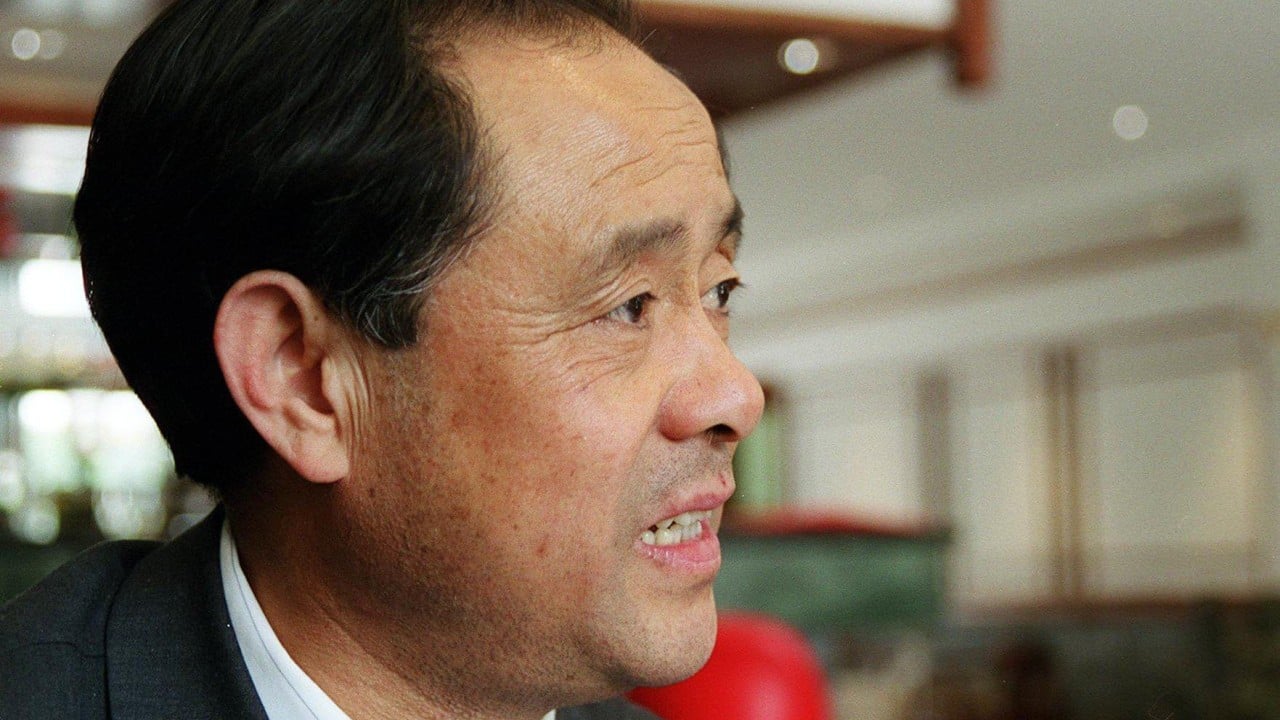
When a rare Ming dynasty handscroll titled Spring in Jiangnan unexpectedly surfaced at a Beijing auction house carrying an eighty-eight-million-yuan price tag, it did not trigger a celebration of artistic heritage. Instead, it ripped the lid off a decades-long institutional rot inside one of China’s most prestigious cultural repositories. Xu Huping, the former executive deputy director and director of the Nanjing Museum, has now been sentenced to three years in prison and fined 200,000 yuan following a sweeping investigation into systemic asset stripping, bribery, and illicit art sales. Yet a prison term for a single retired bureaucrat fails to capture the structural vulnerability that allowed institutional treasures to vanish into private hands for generations.
The roots of this scandal trace back to the 1990s, an era when oversight within state-owned cultural institutions was remarkably lax, and the commercialization of art was beginning to blur ethical boundaries. Xu, operating with considerable administrative autonomy, bypassed standard appraisal and inventory review protocols. Under his authorization, more than a thousand items—including donated masterpieces meant for permanent public preservation—were systematically transferred out of the museum's inventory and routed through provincial cultural relics stores. What looks on paper like a bureaucratic deaccessioning process was, according to investigators and industry insiders, a convenient mechanism to bleed the museum of priceless cultural capital.
Families who had generously gifted family heirlooms to the state watched in horror as their trusts were violated. Descendants of prominent collectors, such as the family of Pang Laichen, who donated cultural relics in good faith during the mid-twentieth century, spent decades hitting brick walls when they inquired about their donations. For years, museum officials maintained a wall of silence or falsely claimed items were counterfeit or missing due to historical chaos. The reappearance of the Qiu Ying handscroll changed everything, proving that pieces written off as bureaucratic losses had quietly migrated through private collections, commercial galleries, and high-end auction blocks.
The fallout has forced Beijing's National Cultural Heritage Administration to reckon with an uncomfortable reality. Following the exposure, authorities ordered a nationwide audit of state-owned museums, dispatching inspection teams to physically verify hundreds of thousands of artifacts against paper records. Investigators faced a monumental task, often forced to rush through millions of catalog entries under immense political pressure. This audit uncovered a broader ecosystem of administrative complicity, resulting in disciplinary action against dozens of officials across multiple provinces.
The systemic damage extends far beyond missing canvas and ink. Public trust in state-run museums has suffered a heavy blow, casting a long shadow over future philanthropy. Private collectors and wealthy families who traditionally viewed state museums as safe sanctuaries for national heritage are now thinking twice before donating valuable pieces. When the guardians of history treat public vaults as personal inventory, the cost is measured not just in fines or brief prison sentences, but in the erosion of institutional credibility.
Reform requires more than periodic audits and show trials. As long as internal administrative oversight remains weak and the secondary art market retains an appetite for unverified provenance, the institutional backdoor will remain open. The Nanjing Museum case is not an isolated anomaly of a rogue director. It is a symptom of an environment where unprecedented market wealth meets unchecked bureaucratic authority, leaving cultural heritage vulnerable to the highest bidder.