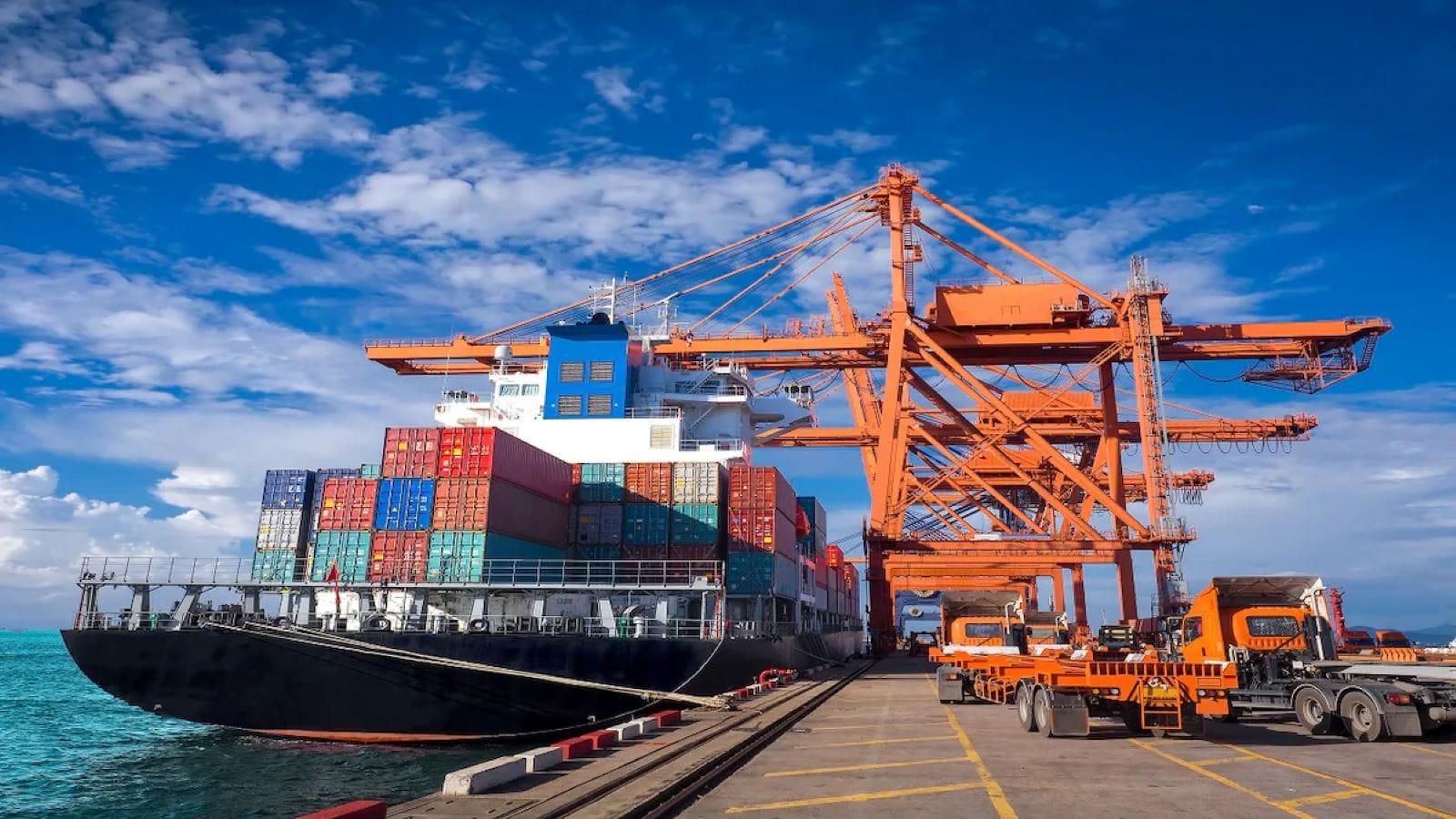
Trade wars rarely start with grand declarations on battlefield floors. Instead, they begin quietly in customs clearinghouses, manifested as a sudden, punitive stack of surcharges on ordinary pantry staples. Canada has officially deployed a twenty-billion-dollar counter-offensive against the United States, slapping steep duties of up to fifty percent on hundreds of cross-border goods. Walk down a grocery aisle in Toronto or Vancouver today, and items like American-produced cheese, honey, and aluminum foil carry the immediate weight of an escalating economic conflict.
This tit-for-tat escalation follows the White House's decision to levy heavy fifty percent duties on a sweeping array of Canadian exports, stretching from electronics and timber to dairy. When political rhetoric translates into protectionist policy, supply chains break. Consumers bear the ultimate cost. Yet, looking merely at the retail price tags misses the structural mechanics of how two deeply integrated economies begin tearing apart seams built over decades of free trade agreements.
Ottawa structured its response to match the exact financial impact of American levies dollar for dollar. The strategy targets sectors where domestic Canadian alternatives already exist, or where buyers can pivot toward international suppliers outside the United States. Take dairy and agriculture. American fresh cheese, curd, cheddar, and specialized honey face immediate twenty-five to fifty percent import taxes. Producers in Wisconsin and California who rely on northern export channels now find themselves priced out overnight.
The rationale from Ottawa is calculated political pain. By choosing consumer goods and visible manufacturing inputs rather than raw energy exports—at least for the moment—the Canadian government aims to turn American industrial lobbies against the White House's trade strategy. When domestic packaging plants face exorbitant costs for aluminum foil and corrugated boxes, those businesses start calling their congressional representatives.
Yet, this weaponization of commerce creates profound vulnerabilities on both sides of the border. Modern manufacturing does not respect national boundaries. A piece of machinery built in Ohio may cross the Detroit River three times during assembly, incorporating parts from both nations before final delivery. When tariffs strike intermediate goods like steel rods, copper wire, and specialized wood products, profit margins evaporate for companies that had no say in the geopolitical posturing driving the dispute.
Corporate leaders are scrambling to restructure procurement lines. Some multinational brands are quietly shifting production facilities southward or northward depending on where the tax burden lands, while smaller enterprises simply absorb the losses until cash reserves run dry. Grocery store shelves feature more localized labeling, but "buying local" is an aspiration that hits hard physical limits when regional agriculture cannot instantly scale up to meet total market demand.
The breakdown in diplomatic channels points toward a longer, grinding economic standoff. Trade representatives from both governments have abandoned active negotiations, each side accusing the other of bad faith. Presidential declarations targeting iconic northern manufacturing firms like Bombardier, alongside symbolic executive orders renaming shared border landmarks, signal that the conflict has drifted far beyond rational economic policy into personal political theater.
Economists tracking the dispute warn that prolonged protectionism permanently alters trade relationships. Once a manufacturer replaces a traditional supplier to escape arbitrary border taxes, that business rarely returns, even if tariffs are eventually lifted. Supply chain loyalty takes years to build and seconds to shatter.
As the new duty schedules take effect at border checkpoints, the true cost of this friction accumulates silently. Every added percentage point on cheese, honey, and industrial components acts as a tax on efficiency, eroding the shared prosperity built across generations. There is no clean exit strategy when both administrations treat escalation as a political victory. The border thickens, commerce slows, and the market pays the invoice.