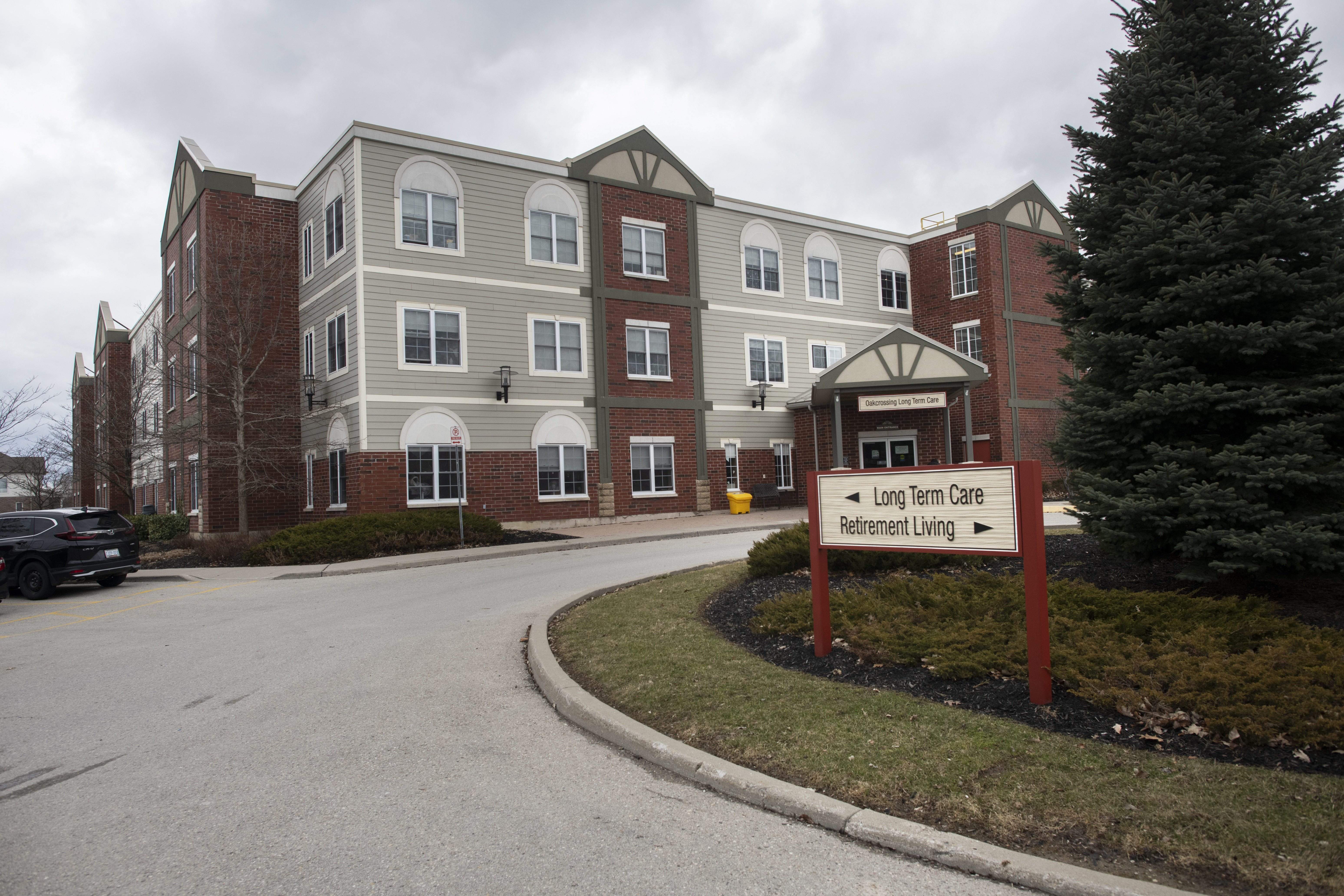
The financial safety net holding up Ontario's long-term care infrastructure is expanding at an alarming rate, quietly channeling millions of taxpayer dollars into emergency bailouts for facilities on the brink of collapse. While provincial officials tout massive overarching investments in capacity and system modernization, public records reveal a different operational reality beneath the surface. An escalating number of long-term care homes are finding themselves dependent on "exceptional circumstance" funding—short-term financial lifeboats deployed when mismanagement, thin operational margins, or spiraling overhead threaten to shut doors and displace vulnerable seniors.
To understand why this is happening, one must look past the press releases and examine the structural mechanics of senior care financing in the province.
For decades, the system has operated on a razor-thin margin where minor economic shocks can trigger catastrophic fiscal failure. When inflation spikes, localized labor pools dry up, or legacy physical plants require urgent remediation, facilities with constrained capital reserves find themselves unable to meet basic operational expenses. Instead of allowing facilities to fail outright—which would force the chaotic emergency relocation of hundreds of high-acuity residents—the Ministry of Long-Term Care steps in with emergency infusions.
This dynamic highlights a deeper systemic vulnerability. The reliance on these emergency bailouts points to a structural failure in baseline funding formulas. When statutory funding allocations fail to cover the true cost of care in various regions, facilities resort to emergency appeals. It is a reactive cycle. Rather than addressing the cost drivers at the root of the instability, the province finds itself managing a rolling crisis, plugging fiscal leaks one facility at a time.
The data underscores how quickly these emergency expenditures have climbed. Years ago, these interventions involved modest sums meant to address acute, isolated operational anomalies. Over time, the scale and frequency of the payouts have shifted upward, with single-facility bailouts reaching millions of dollars in severe cases. This trend suggests that the financial distress is neither temporary nor accidental; it is an endemic symptom of an aging physical plant infrastructure paired with surging labor and operational demands.
Critics and industry analysts point out a distinct philosophical divide in how these funds are distributed across the non-profit and for-profit sectors. While non-profit operators often rely heavily on municipal support or community fundraising to stay afloat, for-profit entities operate within corporate frameworks that prioritize shareholder returns alongside care delivery. When a for-profit home experiences severe distress, the specter of public money propping up private enterprise sparks intense debate over accountability and fairness. Conversely, non-profit facilities often lack the capital reserves or credit facilities available to larger corporate chains, making them equally vulnerable to sudden fiscal shocks.
Consider a hypothetical facility operating in a mid-sized Ontario municipality. The building is forty years old, featuring outdated HVAC systems that fail during summer heatwaves, and the local labor market for registered practical nurses is fiercely competitive. To attract and retain staff, the facility must offer premium overtime rates. Because its per-diem government subsidy is fixed based on historical formulas, the gap between revenue and expenditure widens every month. Without an emergency cash injection from the province, payroll bounces, safety standards slip, and residents face imminent disruption. The bailout becomes the only viable barrier against total institutional collapse.
This emergency posture also exposes a glaring disconnect with broader healthcare planning. As experts frequently note, the province's senior care strategy remains heavily skewed toward traditional institutional beds while underfunding the "missing middle"—alternative housing models such as enhanced assisted living that can divert individuals away from heavy care facilities before they reach a crisis point. By pouring resources into rescuing distressed nursing homes at the eleventh hour, the system perpetually fights fires rather than redesigning the architecture of aging.
Transparency remains another critical friction point. Details regarding which homes receive these funds, the exact performance metrics tied to the payouts, and the long-term viability plans required from operators are often buried behind administrative red tape and Freedom of Information requests. Without radical transparency, taxpayers are left in the dark about whether these bailouts represent a bridge to sustainable operation or merely an expensive postponement of inevitable closures.
Fixing this trajectory requires more than expanding emergency line items in provincial budgets. It demands an overhaul of how baseline operational costs are calculated, acknowledging regional labor variances, and holding operators to strict financial and clinical accountability standards. Until the underlying funding model reflects the true cost of dignified senior care, the province will remain trapped in an endless loop of emergency rescues, spending millions to sustain a system that is fundamentally misaligned with the realities on the ground.