The Philippines is not gearing up for El Niño so much as holding its breath and praying the rains hold out. Even with a strong El Niño warning stretching into the first half of 2027 and warnings of dry spells and drought hitting hard in early 2027, the country's water planning still treats extreme weather like a surprise guest instead of a recurring tenant.
After decades covering infrastructure failures and climate shocks across Southeast Asia, I have watched the same script play out every few years. Agencies hold emergency briefings. Reservoirs swing from alarming lows to temporary highs after a heavy storm. Officials promise better coordination. Then the dry months arrive, soil cracks in the provinces, taps sputter in dense urban districts, and everyone acts shocked that a known climate pattern did what climate patterns do. You might also find this related story useful: When a City Becomes a Fortress in the Dark.
A high reservoir reading in November does not equal water security in March. It buys time, nothing more, and time in water management is only useful if you spend it fixing leaks, diversifying supply, and aligning competing demands before the heat peaks.
Why High Water Marks Create Dangerous Complacency
Look at Angat Dam in Bulacan. In July 2026, it plunged to a record low of 150.6 meters—nearly 10 meters below its critical level—before heavy rains and monsoon downpours sent it surging back past its 210-meter normal high-water level later in the year. On paper, crossing 210 meters looks like relief. In practice, it breeds a quiet, dangerous relaxation. As highlighted in detailed coverage by The New York Times, the implications are widespread.
Reservoir elevation is a snapshot, not a guarantee. A sudden downpour can refill a basin in days, yet evaporation rises alongside above-normal temperatures, and months of below-normal rainfall can drain reserves faster than political committees can approve emergency allocations. Treating a temporary rebound as proof of readiness is one of the oldest traps in utility management.
Consider a hypothetical scenario to see how fragile that math becomes. Suppose a provincial water board assumes a full reservoir in late autumn means normal water schedules can run undisturbed through April. If inflows drop by 30 percent over four months while household demand and agricultural draws stay flat, the buffer evaporates long before the wet season returns. In real life, the margin for error is even thinner because Angat Dam carries competing burdens: supplying over 90 percent of Metro Manila's raw water needs while irrigating tens of thousands of hectares of farmland.
Every cubic meter allocated to one sector is a trade-off felt somewhere else. When planners pretend those trade-offs do not exist until a crisis hits, rationing becomes messy, reactive, and politically charged.
The Architecture Behind the Bottleneck
Water shortages in the Philippines rarely stem from a single dry spell. They expose structural plumbing that has struggled for years to keep pace with urban growth, aging distribution lines, and fragmented governance.
When a system leans heavily on a single major reservoir for a megacity, concentration risk sits at the center of the map. Metro Manila's reliance on Angat means any prolonged disruption—whether from El Niño rainfall deficits, watershed degradation, or competing irrigation demands—ripples across millions of households and businesses. Diversifying raw water sources sounds straightforward on a slide deck, yet major projects routinely run into right-of-way hurdles, financing delays, environmental pushback, and shifting administration priorities.
Meanwhile, distribution losses and localized infrastructure gaps eat away at supply before water even reaches end users. Concessionaires and utilities can urge customers to store water wisely and avoid waste, and conservation messaging helps at the margins. Still, household conservation cannot substitute for unbuilt bulk capacity or leaky pipes underground.
- Single-source vulnerability: Overdependence on major storage basins leaves urban centers exposed when seasonal inflows falter.
- Slow infrastructure delivery: Multi-year water projects often move slower than shifting climate cycles, leaving stopgap fixes to carry too much weight.
- Competing allocations: Domestic supply, hydropower generation, and farm irrigation pull from shared water budgets under intense seasonal strain.
- Uneven local readiness: Wealthier or better-resourced jurisdictions can mobilize contingency funds faster than cash-strapped municipalities.
Governance fragmentation makes the problem harder to untangle. Water planning touches weather forecasters, irrigation authorities, metropolitan regulators, concessionaires, power operators, and local chief executives. When responsibilities are split across agencies, urgency gets diluted. Everybody coordinates; nobody owns the whole system.
Farms and Islands Pay the Price First
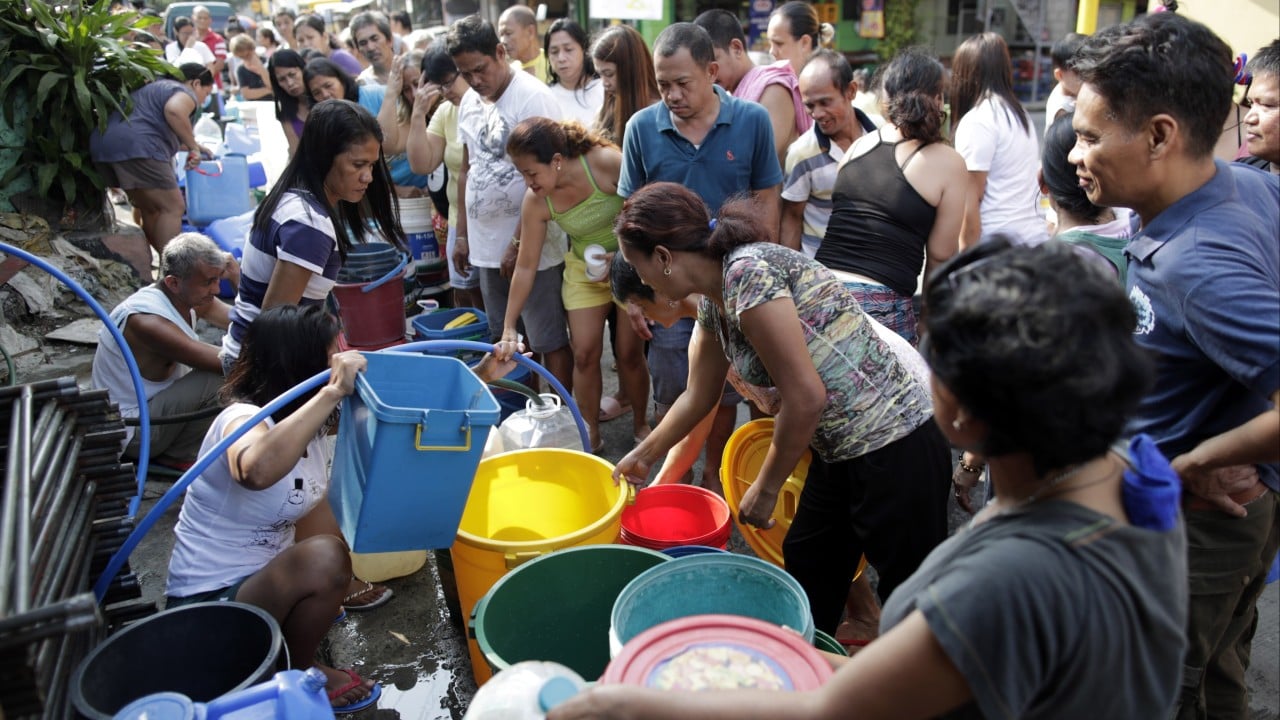
While Metro Manila's water levels dominate headlines, drought hits hardest where buffers are thinnest. In farming provinces and smaller islands, a dry spell is not an inconvenience—it is an immediate threat to income, food output, and basic drinking water.
Provinces like Bohol have moved to declare calamity states amid prolonged dry conditions and falling reservoir thresholds, while agricultural belts across Luzon brace for crop stress, heat, and potential water shortages heading into 2027. Small irrigation dams do not have massive storage cushion. When water levels dip below operational thresholds or structures need rehabilitation, farmers face delayed planting, stunted crops, and shrinking harvests.
A drought does not invent structural weakness in rural water systems; it simply strips away the seasonal rain that was hiding it.
Island and coastal communities face a distinct squeeze. Groundwater tables can turn brackish or run low when recharge falters, forcing reliance on water deliveries, emergency hauling, or costly desalination units that take time and maintenance to keep running. Cloud seeding often enters the conversation whenever skies look dry, yet it is no silver bullet. Without suitable cloud formations and moisture conditions, seeding cannot manufacture rain out of clear air.
Cash assistance and relief distribution matter when livelihoods take a hit, especially for vulnerable rural households. Relief, however, is a band-aid on a recurring wound if irrigation canals stay unmaintained, cropping calendars ignore seasonal forecasts, and local water storage remains underfunded.
What Real Preparedness Looks Like
Better forecasting is one area where real progress has taken shape. Seasonal outlooks and early warnings from agencies like PAGASA give planners months of lead time rather than days of panic. Knowing early that El Niño conditions are strengthening and could carry drought risks into early 2027 should change how water is budgeted today.
Information only creates value when it forces early decisions. Real preparedness means adjusting water release schedules before reserves drop into danger zones, prioritizing repairs on leaking lines and aging irrigation gates while water is still available, and locking in contingency budgets ahead of peak dry months rather than scrambling after crops fail.
| Focus Area | Reactive Habit | Practical Shift |
|---|---|---|
| Reservoir Management | Celebrate temporary highs; ration only after critical lows hit. | Model multi-month dry scenarios early and pace releases conservatively. |
| Agriculture | Rely on emergency aid and cloud seeding after dry spells bite. | Maintain irrigation assets early and align planting guidance with climate advisories. |
| Urban Supply | Push late-stage conservation advisories during tight spells. | Cut non-revenue water losses steadily and advance diversified bulk sources. |
| Local Government | Wait for national declarations before moving emergency funds. | Pre-position contingency funds and municipal water plans before peak heat. |
There are no painless shortcuts here. Building new supply takes years and money. Protecting watersheds takes long-term enforcement and local buy-in. Balancing farm livelihoods against city taps requires tough political choices that no leader enjoys making.
The real test of whether the Philippines is geared for El Niño is not whether officials hold another task force meeting or point to a healthy reservoir reading in late fall. It is whether water managers treat every wet month as preparation time for the dry months they already know are coming.
Angat Dam water level drop during El Nino report
This broadcast clip illustrates how El Niño lowers Angat Dam's water level below normal operating thresholds, reinforcing the supply pressures on Metro Manila and agriculture examined in the article.