When summer temperatures soar past one hundred degrees, the concrete and steel boxes housing millions of incarcerated Americans transform into thermal ovens. Inside many correctional facilities across the United States, air conditioning remains a luxury, leaving inmates and staff to endure dangerous, sometimes lethal heat indexes without relief. This invisible emergency is not merely an uncomfortable consequence of climate change; it is a systemic failure born of institutional indifference, crumbling infrastructure, and a complete lack of enforceable federal temperature standards. Thousands of men and women are serving sentences that carry an unwritten, potentially fatal penalty of heat stroke, dehydration, and organ failure.
The Architecture of Confinement
Prisons built decades ago relied on cross-ventilation and massive masonry mass to handle milder climates. As global weather patterns shift toward prolonged, intense heatwaves, those very walls trap heat like a kiln.
Consider a hypothetical medium-security facility built in the nineteen-seventies with small, high-set windows and barred doors designed to maximize guard visibility rather than airflow. When outdoor temperatures hit ninety-five degrees, interior heat indices routinely exceed one hundred ten degrees. Exhaust fans are often broken, poorly maintained, or wholly inadequate for moving stagnant air through overcrowded cell blocks. The design of these buildings effectively strips occupants of any ability to cool themselves, turning routine confinement into a slow-motion physiological crisis.
The Pharmacological Trap
The danger multiplies exponentially when factoring in the medical profiles of incarcerated populations. A significant percentage of people behind bars take psychotropic medications, antihypertensives, or diuretics for chronic conditions.
Drugs like selective serotonin reuptake inhibitors, antipsychotics, and blood pressure medications interfere directly with the body's natural thermoregulation systems. Sweating mechanisms fail. Blood vessels cannot dilate properly to release heat through the skin. An inmate taking standard medication for hypertension can suffer severe heat exhaustion at ambient temperatures that a healthy individual might tolerate. Correctional medical units frequently lack the specialized cooling infrastructure required to treat acute hyperthermia before it progresses to irreversible organ damage.
The Myth of Budgetary Impossibility
State departments of corrections frequently hide behind a wall of fiscal constraint when pushed to install climate control systems. Retrofitting aging complexes with industrial heating, ventilation, and air conditioning networks requires capital outlays that state legislatures routinely reject during budget negotiations.
Yet this financial argument collapses under basic scrutiny. When emergency spending is required for security upgrades, staff retention bonuses, or defending lawsuits, funds materialize immediately. The true deficit is political will. Lawmakers and corrections executives rarely prioritize the survival of convicted felons, creating a culture where preventable heat-related deaths are quietly absorbed as acceptable collateral damage within the penal system.
The Legal Battleground
Federal courts have historically offered an inconsistent response to Eighth Amendment challenges regarding extreme prison temperatures. Proving cruel and unusual punishment requires plaintiffs to demonstrate that prison officials showed deliberate indifference to substantial risks of serious harm.
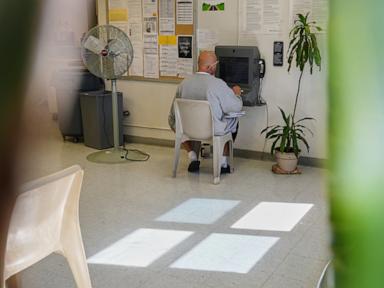
Corrections departments often exploit this high legal threshold by implementing superficial remedies. Distributing small cups of ice water or placing industrial floor fans in hallways that merely circulate scorching air satisfies bureaucratic compliance checklists while doing nothing to lower core body temperatures. These temporary measures provide legal immunity to departments of corrections even as internal temperatures remain lethal. Until higher appellate courts establish clear, mandatory temperature thresholds as a basic constitutional right, the burden of survival remains on underfunded legal defense organizations fighting facility by facility against a stone wall of institutional resistance