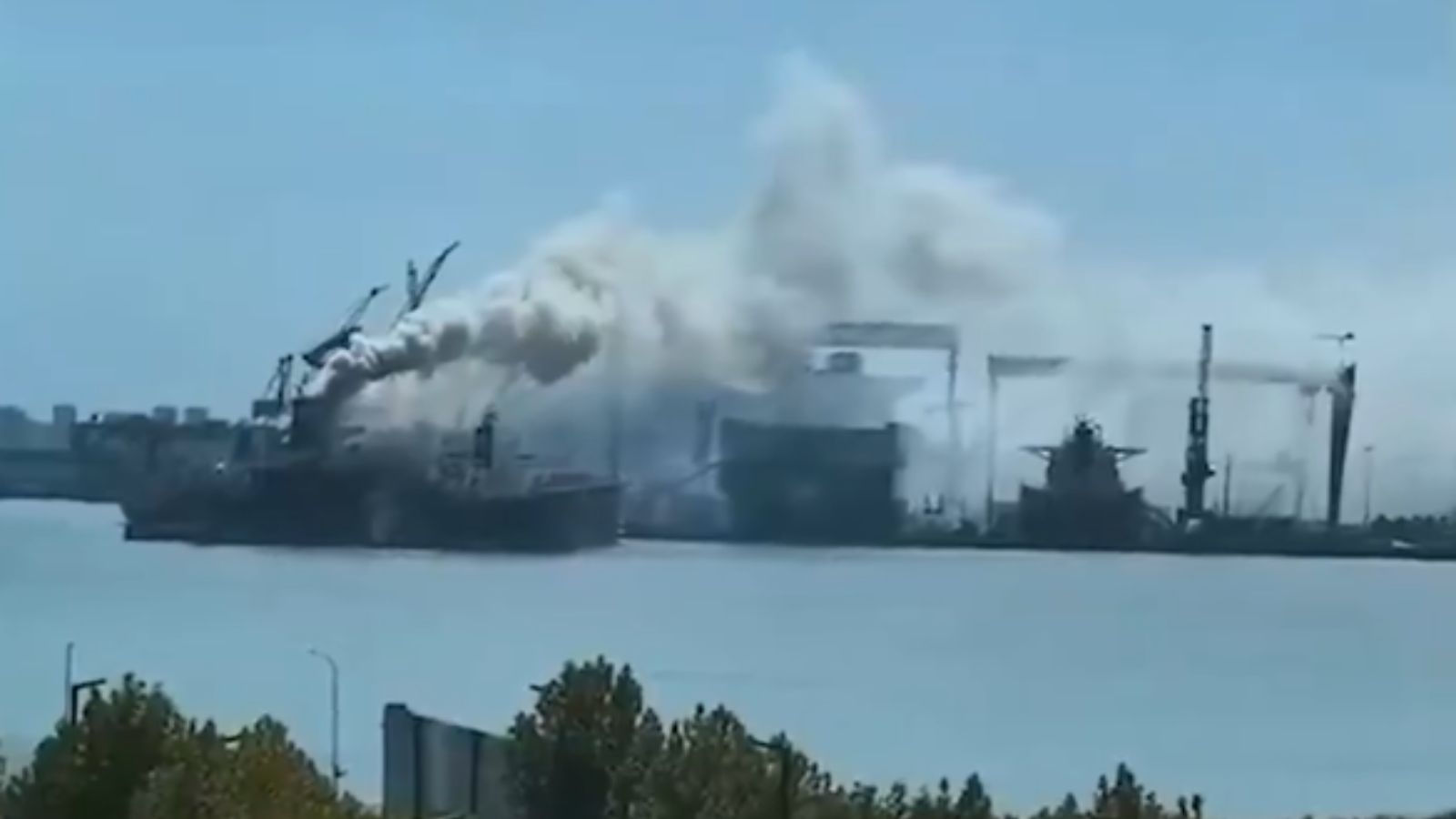
A devastating fire aboard the Liberia-flagged dry bulk carrier Ocean Melody at the Qingdao Beihai shipyard in eastern China killed at least 25 people and left others missing during routine maintenance works. The tragedy, which unfolded on a Thursday morning, highlights the persistent and lethal vulnerabilities hidden inside modern maritime repair facilities.
When the alarm sounded at approximately 11:15 local time, 42 individuals were onboard the 20-year-old vessel. While emergency crews managed to extinguish the open flames by mid-afternoon, the structural design and confined spaces of the dry bulk carrier transformed routine maintenance into a death trap.
The Anatomy of a Shipyard Catastrophe
Drydock operations are among the most hazardous industrial environments on earth. Ships undergoing repairs are frequently stripped of their active safety systems, relying instead on temporary shore-power, external ventilation, and makeshift lighting rigs.
Hot work—such as welding, torch cutting, and grinding—is the leading catalyst for shipyard fires. When sparks or molten slag travel through ventilation shafts or drop into uncleaned bilge spaces containing residual oil or combustible insulation materials, disaster can strike within seconds.
On the Ocean Melody, a ship managed by Yuyangkunpeng Shanghai Ship Management and owned by Huili Shipping Co. Ltd, the 190-meter frame acted as a thermal chimney. Confined compartments trapped thick black smoke, blinding maintenance workers and trapping crew members before they could reach the gangway or deck exits. Twelve people escaped safely, and five were hospitalized with injuries, but the death toll climbed rapidly as search teams recovered bodies from the interior.
Institutional Pressures and Oversight Gaps
Beihai Shipbuilding operates under the massive umbrella of the state-controlled China State Shipbuilding Corporation, the largest shipbuilding conglomerate in the world. Facilities of this scale handle dozens of international vessels simultaneously, operating under relentless turnaround schedules.
Every extra day a ship spends in drydock costs thousands of dollars in lost charter revenue. This financial gravity breeds systemic shortcuts. Safety audits can become check-the-box exercises, fire watches are sometimes understaffed, and hot-work permits are occasionally issued without verifying whether adjacent spaces have been properly gas-freed and cleared of combustibles.
President Xi Jinping issued urgent directives following the disaster, demanding strict accountability measures and a thorough investigation into the root causes. Yet, industrial safety analysts note that directives from the top rarely solve the daily operational compliance failures occurring on the ground level.
The Global Fleet Vulnerability
The incident is not isolated. Global maritime safety data shows that maintenance periods carry a disproportionately high risk of catastrophic fire compared to open-sea voyages. Aging tonnage—such as the two-decade-old Ocean Melody—requires increasingly complex steel renewals, pipe replacements, and electrical overhauls.
As international shipping markets push older vessels to remain active longer to meet trade demands, the frequency of heavy structural repairs increases. Shipyards from Qingdao to Rotterdam face a growing backlog of aging hulls, stretching safety infrastructure to its absolute limit.
When shipyard management prioritizes speed over strict adherence to fire safety protocols, human lives pay the ultimate price. The black smoke billowing over the port of Qingdao serves as a grim reminder that the deadliest maritime disasters often happen while ships are safely tied to a pier.