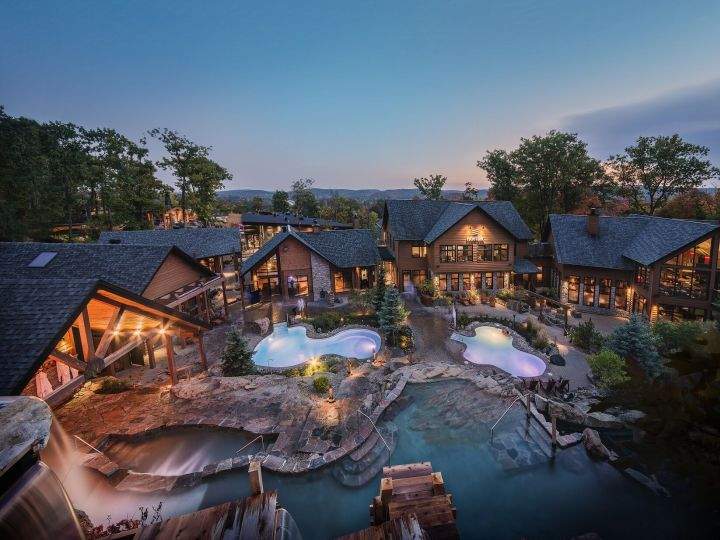
A certified class-action lawsuit involving more than 140 claimants against the Nordik Spa-Village in Chelsea, Quebec, has stripped away the comforting illusions of the modern wellness industry. When Quebec Superior Court Justice Enrico Forlini authorized the litigation, it brought to light allegations spanning nearly two decades, targeting multiple individual massage therapists within an establishment that marketed itself as a sanctuary of relaxation. This legal reckoning is more than a single corporate crisis. It exposes systemic vulnerabilities in how alternative health services, touch-based therapies, and high-traffic wellness resorts are regulated, monitored, and held accountable across North America.
To understand how a facility of this scale became the epicenter of such extensive legal action, one must examine the structural gray zones defining the wellness sector. Unlike traditional healthcare settings governed by strict provincial colleges, mandatory licensure, and transparent disciplinary histories, massage therapy in several jurisdictions operates under a patchwork of voluntary associations rather than mandatory state licensing. In Quebec, anyone can technically offer massage services unless legally prohibited, leaving oversight largely in the hands of private associations with limited enforcement powers beyond expulsion from their own membership rosters. When an abusive practitioner is stripped of a local credential, nothing stops them from quietly pivoting to another venue or operating independently. For a different perspective, read: this related article.
The mechanics of spa environments create unique vulnerabilities. Clients arrive seeking tranquility, vulnerability, and physical release. They are often draped in sheets, lying face down in dim, isolated rooms, separated from the outside world by ambient sound and architectural design. This deliberate atmosphere of escapism, while effective for stress reduction, creates a profound power asymmetry. Predators operating within these spaces rely on the very culture of the spa to insulate themselves. When clients experience boundary violations, the immediate reaction is frequently self-doubt. The ambient luxury gaslights the victim into questioning their own perception, wondering if an inappropriate touch was merely an unorthodox technique or a misunderstanding of professional protocol.
Court documents associated with the Nordik class action reveal a disturbing pattern of institutional inertia. Allegations indicate that prior complaints lodged directly with management were met with inadequate responses, ranging from dismissive administrative handling to inappropriate attempts at private remediation, such as issuing gift cards to complainants. In an industry driven by high volume and premium pricing, corporate risk mitigation often defaults to brand protection over public safety. When management treats early reports as isolated incidents rather than systemic red flags, they inadvertently cultivate an environment where repeat offenders can operate unchecked over multi-year timelines. Further reporting regarding this has been published by Al Jazeera.
The fallout has forced a scramble for defensive corrections. Following the judicial greenlight, the establishment announced new operational protocols, including mandatory criminal background checks, specific staff training on consent, designated massage floors monitored by security personnel, and even optional audio recording for sessions. While these measures signal an acknowledgment of past failures, industry analysts note that reactive policy changes cannot instantly repair a broken foundation. Background checks only catch individuals with prior criminal convictions, leaving first-time offenders entirely undetected. True institutional safety requires continuous peer review, mandatory reporting channels independent of internal human resources, and rigorous, unannounced compliance audits.
Beyond the specific legal exposure of the Chelsea resort, the broader wellness economy faces an uncomfortable reckoning. Consumers spend billions annually on self-care rituals, operating on an implicit assumption that spaces dedicated to healing are inherently benign. That assumption is a dangerous luxury. As class actions mount and regulatory bodies face intense public pressure to mandate universal professional licensing, the spa sector must transition from an era of unregulated self-policing to transparent, highly scrutinized operational standards. The cost of maintaining the illusion of absolute safety has proven to be catastrophic.
The legal proceedings grind forward through the Quebec courts, and the institutional adjustments implemented by operators will be tested by time rather than press releases. The fundamental question remains whether the wellness industry can purge its structural blind spots, or if consumers will continue to bear the risk in the pursuit of relaxation.
This video provides a direct news overview of the court's authorization of the class-action lawsuit against the Quebec spa.