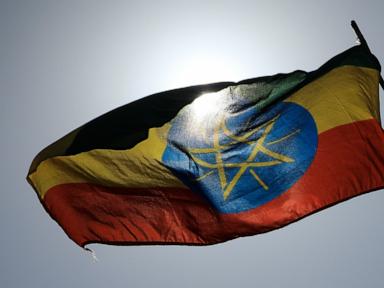
Ethiopian federal forces and allied militia units have regained control of Alula Aba Nega Airport in Mekelle, abruptly reversing a surprise offensive by Tigrayan fighters that had plunged northern Ethiopia back into open conflict. The recapture of the strategic aviation hub outside Mekelle, the regional capital of Tigray, follows weeks of escalating hostilities that have effectively fractured the fragile 2022 Pretoria peace agreement. Commercial aviation to Mekelle, Axum, and Shire remains suspended, telecommunication lines are heavily choked, and residents inside the city are bracing for a fresh cycle of displacement.
The descent back into active hostilities did not happen overnight. Decades of structural friction between the federal government in Addis Ababa and the Tigray People's Liberation Front (TPLF) forged an uneasy truce rather than a lasting reconciliation. When TPLF forces seized the Mekelle airport on September 23, it signaled more than a tactical raid. It was an explicit challenge to Prime Minister Abiy Ahmed’s administration, testing the limits of federal reach in a region still recovering from structural starvation, massive displacement, and systemic infrastructure collapse during the 2020-2022 war.
Military analysts note that control of Alula Aba Nega Airport dictates the speed of troop movements and logistical resupply across rugged northern terrain. Without the airfield, federal operations relied heavily on vulnerable ground supply lines winding through hostile or contested territory. Regaining the tarmac gives the Ethiopian National Defense Force (ENDF) an immediate staging ground to project power directly into the regional capital.
Yet, physical capture of infrastructure does not equal political stability. Following the federal push, TPLF leadership announced a tactical withdrawal from Mekelle proper, framing the move as a preservation strategy to spare urban civilians from direct artillery exchanges. Whether this represents a genuine retreat or a strategic regrouping into rural hideouts remains a central question for regional monitors. Insurgency dynamics in the highlands historically favor decentralized defensive maneuvers over static urban holding patterns.
Compounding the crisis is a severe geopolitical fallout with neighboring Eritrea. Relations between Addis Ababa and Asmara have deteriorated sharply, culminating in diplomatic expulsions and the closure of embassies. Federal authorities have repeatedly accused Eritrea of covertly backing the TPLF—an allegation Asmara denies—while regional actors watch anxiously as cross-border tensions threaten to ignite a wider Horn of Africa conflagration.
On the ground, the human cost is immediate and profound. Humanitarian workers inside Mekelle report growing panic among civilians fearful of looting, arbitrary detentions, and wholesale destruction of public utilities. Information blackouts enforced via selective internet and cellular shutdowns have transformed Tigray into an opaque zone where verification is agonizingly slow. International bodies, including the African Union, have issued urgent appeals for restraint, but diplomatic leverage appears exceptionally weak against the momentum of armed factions determined to settle unfinished scores.
The fragile architecture of peace built in South Africa is buckling under the weight of unresolved grievances over disputed territories, political autonomy, and accountability for past atrocities. As federal troops consolidate their positions around the Mekelle airport and allied internal factions jockey for administrative control, the fundamental question facing the region is not merely who holds the tarmac, but whether any political framework remains capable of preventing a total return to generalized carnage.
For updates on the security situation, see this WION news report. This video provides an overview of the recent military developments and the geopolitical implications surrounding the airport's recapture.