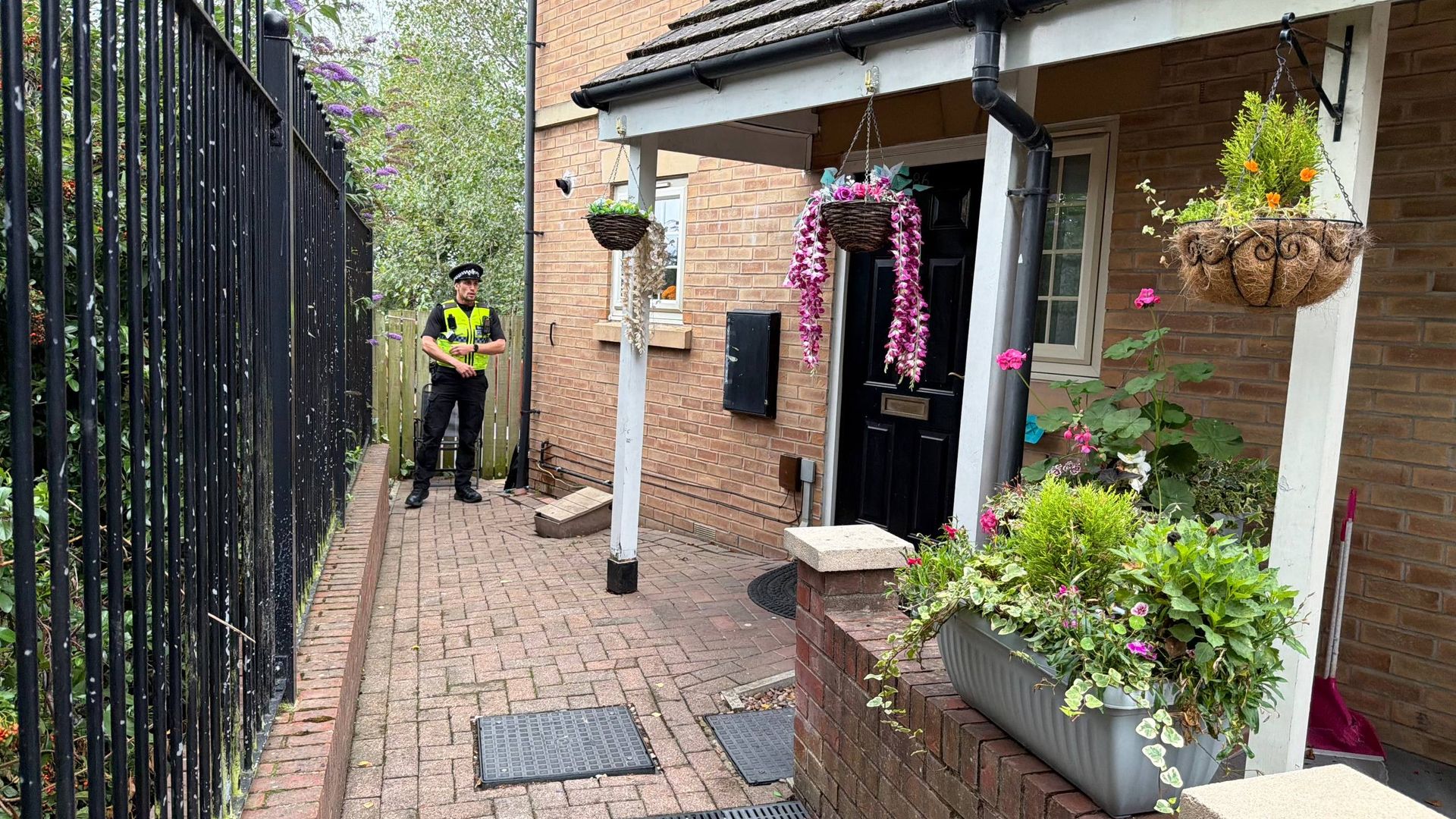
A forensic post-mortem examination conducted in South Yorkshire confirmed that a newborn baby girl found dead at a residential property in the Wincobank area of Sheffield died from stab wounds. Emergency services rushed to the address on Holywell Heights following early morning reports regarding the safety of an infant, yet life was pronounced extinct at the scene. In the wake of the discovery, detectives launched a full-scale homicide inquiry, detaining seven individuals on suspicion of murder. Two suspects have since been released on bail while magistrates granted custody extensions for the remaining five.
Behind the stark police bulletins lies a grim reality that exposes the limits of social safety nets and the quiet breakdown of localized protection systems. Investigative reporting requires looking past the immediate shock value of headline statistics to examine the environment that allows such horrific events to unfold. Holywell Heights is a neighborhood like dozens of others across industrial Britain, grappling with economic strain, stretched municipal services, and an escalating sense of isolation among residents. You might also find this related coverage insightful: The Sound of a Door Closing Behind the Magic Kingdom.
The Mechanics of a Complex Criminal Inquiry
When an infant dies under violent circumstances, standard homicide protocols shift into unfamiliar territory. Forensic pathologists face extraordinary technical challenges when performing post-mortems on neonates. The fragility of infant tissue, combined with the rapid structural changes occurring in the immediate postpartum hours, demands specialized pediatric pathology expertise. South Yorkshire Police brought in homicide specialists to handle the chaotic initial hours, securing the scene before evidence could be compromised.
Mass arrests involving seven suspects point toward a chaotic domestic environment where multiple adults shared a single residence or responsibility for the infant's immediate care. In cases involving newborn homicides, investigators routinely examine familial structures, medical histories, and the potential presence of acute postpartum mental health crises. Yet, casting a wide net with multiple detentions often signals an investigative strategy designed to freeze potential collusion while forensic teams comb through digital devices, telephony data, and forensic trace evidence collected from the property. As discussed in recent coverage by BBC News, the implications are worth noting.
Detective Chief Inspector Tom Woodward noted the profound emotional toll on frontline responders. Emergency personnel walked into a room that shattered their collective equilibrium. Routine policing prepares officers for violence, but the brutal termination of a life that had barely begun tests the psychological endurance of seasoned investigators.
Examining the Wider Safety Gap
Public shock routinely gives way to demands for accountability, but society rarely examines the warning signs preceding such tragedies. Neonatal homicides are statistically rare, yet they share common risk factors that professionals frequently fail to intercept. Maternal isolation, severe untreated psychiatric conditions such as postpartum psychosis, and domestic coercion create high-risk environments for infants.
When social services are overwhelmed, vulnerable pregnancies slip through administrative cracks. Midwifery visits taper off, community psychiatric nursing teams face critical understaffing, and extended family networks often live miles away or remain completely disconnected. The presence of multiple adults in the Sheffield household raises difficult questions about shared guardianship and whether anyone recognized the escalating danger before emergency services were called just before six in the morning.
Accountability extends beyond the individuals in custody. Public institutions tasked with safeguarding children operate in silos, rarely sharing intelligence across health trusts, local authorities, and law enforcement agencies until a catastrophic failure occurs.
The Path Forward for Justice
As the investigation proceeds through the courts, the focus centers on piecing together the timeline of the infant's brief existence. Forensic scientists continue analyzing DNA, toxicology, and sharp-force trauma mechanics to establish exact sequences of events. The Crown Prosecution Service faces the delicate task of evaluating evidence against multiple suspects to determine individual culpability versus collective failure.
Communities in Wincobank are left picking up the pieces, holding vigils, and demanding answers from local leaders who promised better mental health infrastructure years ago. Justice for a newborn requires more than courtroom convictions. It demands systemic introspection into how a society protects its most defenseless members when the doors are closed and the lights go out.
More details on this developing investigation can be viewed in the Good Morning Britain report on the Sheffield arrests.
http://googleusercontent.com/youtube_content/1