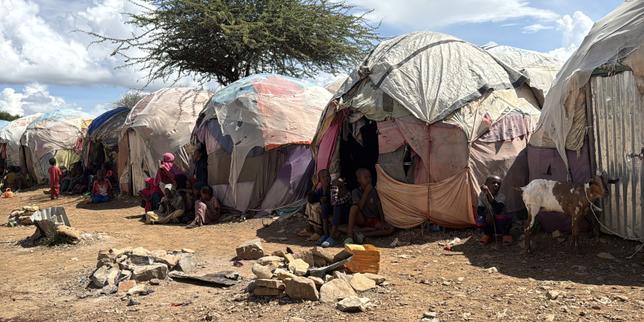
Around six million people across Somalia face acute food insecurity, trapped in a tightening vise of armed conflict, climate shocks, and an unprecedented retreat of international donor funding. Nearly one-third of the country's population struggles for daily survival, while close to two million children under five suffer from acute malnutrition. Rather than a sudden natural disaster, this catastrophe represents a slow-moving institutional failure driven by shrinking global budgets and compounding geopolitical shocks.
Decades of instability have left local infrastructure fragile, but the immediate emergency is fueled by the systematic withdrawal of foreign assistance. International humanitarian response plans face deep shortfalls, forcing agencies to scale back or shutter stabilization centers and health clinics. Hundreds of facilities providing basic nutrition and medical care have closed their doors across the country. Mothers who previously walked short distances to community clinics now face multi-day journeys to reach the few remaining functional hospitals, arriving too late to save severely ill infants.
The mechanics of this breakdown extend far beyond regional borders. Supply chain disruptions and maritime instability in key global shipping lanes have dramatically inflated the cost of delivering therapeutic foods and emergency provisions. Fuel and staple food prices inside urban markets and rural outposts have surged, pricing basic sustenance out of reach for families already stripped of their livestock and harvests by persistent drought. Concurrently, renewed fighting in regions like Baidoa has displaced thousands more civilians, turning urban neighborhoods into overcrowded staging grounds where clean water and shelter are scarce.
Humanitarian organizations emphasize that waiting for a formal famine declaration guarantees a higher death toll. Early intervention frameworks exist, and established distribution networks are ready to deploy, but they lack the financial backing required to maintain operations at scale. As coping mechanisms exhaust themselves and international attention drifts elsewhere, the margin for error narrows week by week.