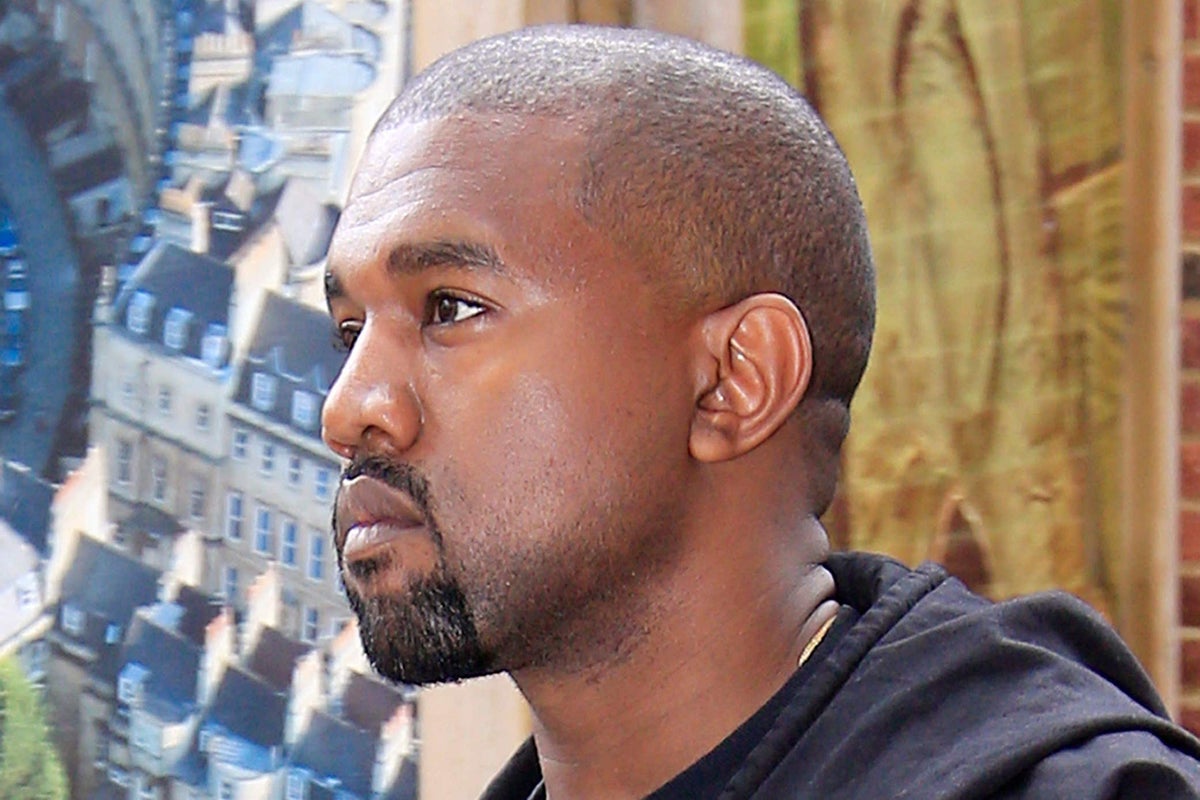
Kanye West, who now legally goes by Ye, is scheduled to perform two massive stadium concerts at the Gazprom Arena in St. Petersburg on October 10 and 11, making him the most prominent major Western artist to play in Russia since the full-scale invasion of Ukraine. This commercial maneuver is not merely a stop on an international routing schedule. It is a calculated collision between a radioactive American pop icon facing severe European tour rejections and a Kremlin eager to score a monumental propaganda victory against Western cultural isolation.
The mechanics of this booking reveal a stark economic and geopolitical reality. Following a series of public relations disasters, hate speech controversies, and subsequent border bans enacted by the United Kingdom and cancellation waves across France, Italy, and Poland, the rapper’s traditional touring infrastructure in the West fractured. Major European festivals and stadium managers concluded that hosting the artist carried untenable reputational damage. British home authorities explicitly barred his entry, declaring his presence incompatible with the public good.
Yet music capitalism operates on supply, demand, and alternative markets. When traditional doors lock, others swing open.
Within hours of the Monday announcement by promoter Say Agency, tickets for the St. Petersburg dates vanished. The highest tier of VIP boxes, priced upward of 160,000 rubles or roughly $1,880, sold out almost instantly. Budget seats priced around $105 evaporated by evening. Local hospitality networks immediately registered a sharp spike in hotel bookings and travel inquiries. St. Petersburg is preparing for an influx of capital and regional tourism that domestic promoters have not experienced from a marquee American act in over four years.
To understand why this happens now, one must examine the shifting currents of global entertainment economics. While top-tier heritage acts and mainstream pop stars continue to honor the unofficial cultural embargo against Moscow, a secondary tier of American urban and hip-hop acts—including DaBaby, Tyga, Lil Pump, and Jason Derulo—has quietly tested Russian soil over the past year. None of these previous performers, however, carry the global cultural footprint or the polarizing notoriety of West.
The Russian state apparatus has seized upon the announcement with predictable opportunistic zeal. State Duma officials openly celebrated the booking as a literal breakthrough of the blockade, framing the arrival of an American billionaire musician as definitive proof that international sanctions and cultural ostracization have failed to isolate the country. Elena Drapeko, first deputy chair of the Duma’s culture committee, voiced official approval while noting a cautious hope that the performer might tone down his eccentricities. Meanwhile, hardline conservative figures like lawmaker Vitaly Milonov offered backhanded commentary, suggesting the American artist use the stage to perform traditional regional songs to rehabilitate his image.
This creates an internal friction within Russian conservative circles. While state media and tourism boards welcome the influx of global relevance, nationalist hardliners remain deeply suspicious of Western cultural corruption. Some regional politicians have even called for administrative investigations into West's past controversial remarks, demanding a formal statement of ideological alignment with Moscow's military operations before the turnstiles open.
For the artist, the motivation is equally transparent. Earlier in the year, a full-page apology published in major trade papers attempted to stem the bleeding from years of antisemitic outbursts, erratic public behavior, and the promotion of Nazi imagery. That corporate apology failed to restore his access to primary Western venues. Faced with shrinking options in London, Paris, and Rome, West pivoted toward geographies where moral gatekeeping by festival organizers is virtually non-existent or politically inverted. Massive, record-breaking turnouts in Istanbul, Tbilisi, and Almaty proved that an audience hungry for spectacle will overlook ideological baggage if the production value meets expectations.
The St. Petersburg residency represents the zenith of this strategy. It trades Western institutional validation for massive box office revenue and an uncomfortably cozy alignment with a geopolitical adversary. The music industry has entered a fragmented multipolar era where global cancellation in one hemisphere merely guarantees a hero's welcome in another. When the lights go down at the Gazprom Arena this October, the roar of the crowd will signal more than just the performance of catalog hits. It will mark the official death of a unified Western cultural front.


