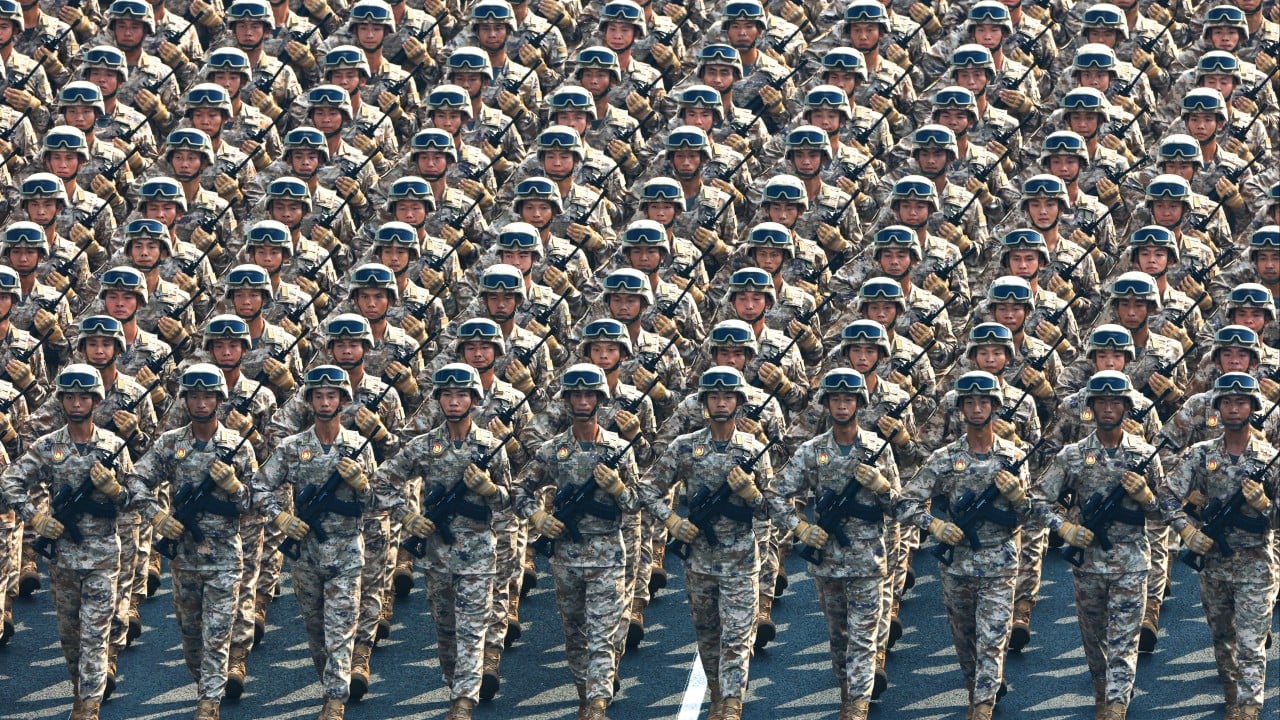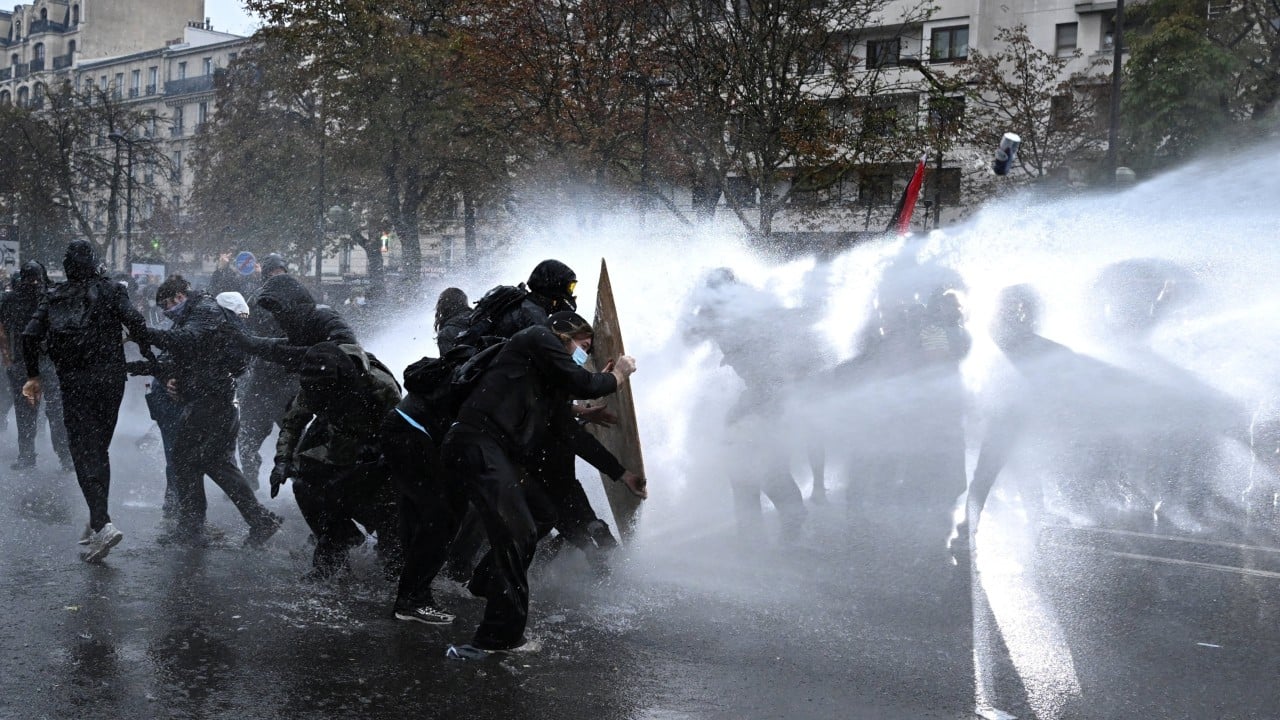
Mass movements in France and 2019 Hong Kong risk being defined by violence not because protesters inherently crave destruction, but because escalation traps both street organizers and state authorities in a feedback loop that rewards spectacle over strategy. When smoke and shattered glass dominate every broadcast, political grievance gets flattened into a public-order story. Governments love that shift. It allows leaders to talk about law, property, and police safety instead of answering the underlying demand that brought hundreds of thousands of people into the streets in the first place.
I have covered street politics, labor walkouts, and civil unrest across continents for more than two decades. After watching dozens of movements rise with moral clarity and stall out in tear gas, one pattern stands out with depressing regularity. Violence rarely saves a stalled protest movement. More often, it hands the initiative back to the state while alienating quiet middle-ground citizens whose sympathy decides whether a demand becomes law or gets crushed under emergency powers. For an alternative perspective, check out: this related article.
Comparing France and Hong Kong requires care, because the two settings are not twins. France has a centuries-old repertoire of strikes, union marches, and contentious street mobilization woven directly into its political culture. Hong Kong in 2019 was a high-density city confronting a perceived existential threat to its legal autonomy and civil liberties, driven largely by decentralized digital coordination rather than legacy labor federations. Yet looking at both through the lens of escalation dynamics exposes a shared vulnerability that activists and analysts routinely underestimate.
Why Street Clashes Hijack the Political Agenda
Every seasoned political correspondent knows the brutal math of television and social feeds. A peaceful march of eighty thousand people carrying banners is hard to frame as a crisis after hour three. A burning barricade, a smashed storefront, or a volley of projectiles against riot gear stops thumbs mid-scroll. Similar coverage on this matter has been provided by USA Today.
Media algorithms do not measure policy nuance. They measure friction. When a protest movement experiences recurring clashes, the framing battle tilts sharply away from substance. Instead of debating pension formulas, cost-of-living pressures, extradition rules, or democratic accountability, commentators spend days arguing over whether protesters went too far or whether police used excessive force.
That shift carries a steep strategic cost. Broad public sympathy is fragile, especially among commuters, small shopkeepers, and families who may privately agree with the movement's grievances but fear chaos on their block. Once ordinary residents begin viewing demonstrations as an unpredictable threat to daily order, governments find an easier political footing to justify harsher policing, curfews, or legislative crackdowns.
When a protest movement loses control of its dominant visual story, its opponents rarely need to win the policy argument. They just need the cameras to stay on the broken glass.
In France, street confrontation has long operated as a high-stakes pressure valve in a political system where executives frequently push contested reforms through executive mechanisms or narrow parliamentary margins. Historically, French unions and demonstrators have treated disruption as leverage, assuming the state will eventually blink to restore calm. That gamble has worked before, yet it carries growing risk when aggressive fringe actors merge into large, loosely policed marches and turn tactical pressure into generalized disorder.
Hong Kong in 2019 showed a different twist on the same dynamic. Early mass demonstrations drew vast, peaceful crowds that stunned observers worldwide. As weeks wore on without political concessions and clashes intensified around key flashpoints, the movement's decentralized "be water" ethos made it nearly impossible to isolate destructive tactics from peaceful dissent. Authorities then used escalating violence and public disruption to rally conservative and order-focused segments of society behind tough security measures.
The Feedback Loop Between Riot Tactics and Radicalization
Violence inside a protest movement rarely arrives out of nowhere. It builds through action-reaction cycles where heavy-handed crowd control, aggressive arrest sweeps, or prolonged political stonewalling convince harder-edged participants that peaceful persuasion is a dead end.
Consider a hypothetical example to see how quickly this spiral turns. Imagine a mid-sized European city where transit workers and students organize a peaceful afternoon rally over rising housing costs. A small group of masked agitators breaks away near a bank branch, hurls bottles at a police line, and sets a trash bin ablaze. Riot units respond with flash-bangs and kettling that sweeps up peaceful marchers alongside the instigators. By nightfall, angry demonstrators accuse police of brutality, police unions demand stronger powers, and local officials declare the entire movement irresponsible. Neither side planned that exact sequence, yet both helped manufacture the outcome.
In real-world flashpoints across France and Hong Kong, variations of that loop played out repeatedly. Crowd-control munitions, baton charges, and mass arrests create immediate grievances that draw angry recruits back to the next demonstration with harder tactics in mind. At the same time, every Molotov cocktail or damaged municipal building gives hardliners inside the government ammunition to argue against compromise.
How Fringe Tactics Overshadow Mainstream Grievances
One of the hardest truths for organizers to swallow is that tactical veto power often rests with the most confrontational participants. A movement can spend weeks building coalitions, drafting policy proposals, and winning support from ordinary citizens, only to see its message derailed in twenty minutes by a few dozen people looking for a fight.
In France, this tension has long pitted established trade unions and civic groups against autonomous black-bloc elements and opportunists who attach themselves to major demonstrations. Union leaders routinely condemn property damage and attacks on officers, yet separating peaceful marchers from violent breakaway groups in dense urban boulevards is logistically grueling. When clashes erupt, critics lump the entire mobilization together.
Hong Kong faced a distinct version of the same dilemma. Because the 2019 movement lacked formal hierarchy or central leaders, there was no single boardroom or press office able to enforce strict tactical discipline across every district. Many participants felt reluctant to publicly denounce fellow protesters in the streets out of solidarity or fear of deepening divisions, even as escalating clashes alienated moderate onlookers and gave authorities a pretext for sweeping escalation.
Why State Crackdowns Rarely Solve the Root Cause
Governments frequently treat street disorder as a policing problem rather than a political symptom. Deploying more riot squads, restricting protest zones, or passing tougher public-order penalties can clear an intersection on a given Saturday night. It does not erase the economic squeeze, institutional distrust, or political alienation that pulled people out of their homes in the first place.
Heavy crackdowns can even backfire in the short run. Images of injured demonstrators or sweeping arrests can reignite anger among people who had previously stayed home, turning a waning protest into a renewed wave of defiance. Yet over a longer horizon, a state willing to absorb reputational damage and rely on sustained security pressure holds formidable asymmetric advantages over an unfunded, exhausting street campaign.
That asymmetry is why relying on street violence as a primary lever is so perilous. Even when demonstrators feel cornered by an unresponsive government, trading peaceful mass legitimacy for violent confrontation usually plays into the hands of the side with deeper institutional endurance.
| Dimension | Strategic Potential of Violence | Strategic Cost of Violence |
|---|---|---|
| Media Attention | Guarantees immediate headlines and viral clips | Shifts coverage from grievances to disorder and crime |
| Public Coalition | Can signal intense anger to sympathetic observers | Alienates moderate voters, workers, and local residents |
| State Response | Rarely forces substantive policy concessions alone | Justifies harsher policing, arrests, and legal restrictions |
| Movement Cohesion | Can project militant solidarity among core activists | Fractures peaceful organizers from confrontational factions |
Counterarguments And Overlooked Factors in Street Unrest
Any serious analysis has to push past neat clichés. It is too easy to say "violence is bad" and stop there, ignoring why people fight back or how power actually shifts in contested societies.
First, there is a real counterargument from history and political sociology. Peaceful protests do not always succeed on moral force alone, especially when elites ignore polite petitions and orderly marches. Across many eras and countries, disruptive strikes, blockades, and militant resistance have sometimes forced entrenched rulers to take grievances seriously when quiet appeals failed. Dismissing every form of disruption as counter-productive ignores how pressure works in hard-nosed politics.
Second, provocation and misattribution muddy the picture on the ground. In chaotic street environments, blame is routinely contested. Protesters point to aggressive policing, provocative tactics, or isolated bad actors, while officials point to organized rioters and threats to public safety. Analysts who treat official accounts or activist accounts as gospel without cross-checking timelines and independent reporting miss half the story.
Third, commentators often overlook economic and institutional exhaustion. Protests do not run on passion alone; they run on time, money, missed paychecks, legal risks, and emotional stamina. When movements get bogged down in nightly skirmishes rather than building sustained political, legal, or organizational pressure, participants burn out. Once the streets quiet down, the underlying policy dispute often remains unresolved—or settled entirely on the government's terms.
What Organizers, Officials, and Analysts Should Watch Next
To judge whether protests in France or anywhere else are sliding into a self-defeating violence trap, look past crowd-size estimates and focus on concrete indicators:
- Message discipline: Whether core demands stay front and center in public debate or get buried beneath coverage of clashes and property damage.
- Crowd separation: Whether peaceful demonstrators and organizers can maintain physical and political distance from confrontational breakaway groups.
- Policing doctrine: Whether authorities rely on targeted de-escalation and accountability or broad, indiscriminate force that inflames bystanders.
- Institutional traction: Whether street pressure translates into legislative leverage, court challenges, or bargaining power—or simply repeats the same weekend standoff without results.
Movements that protect their moral and political legitimacy force governments to argue about the actual problem on the table. Movements that let street violence become their calling card hand their adversaries the cleanest excuse imaginable to change the subject—and reach for the baton instead of the negotiating table.