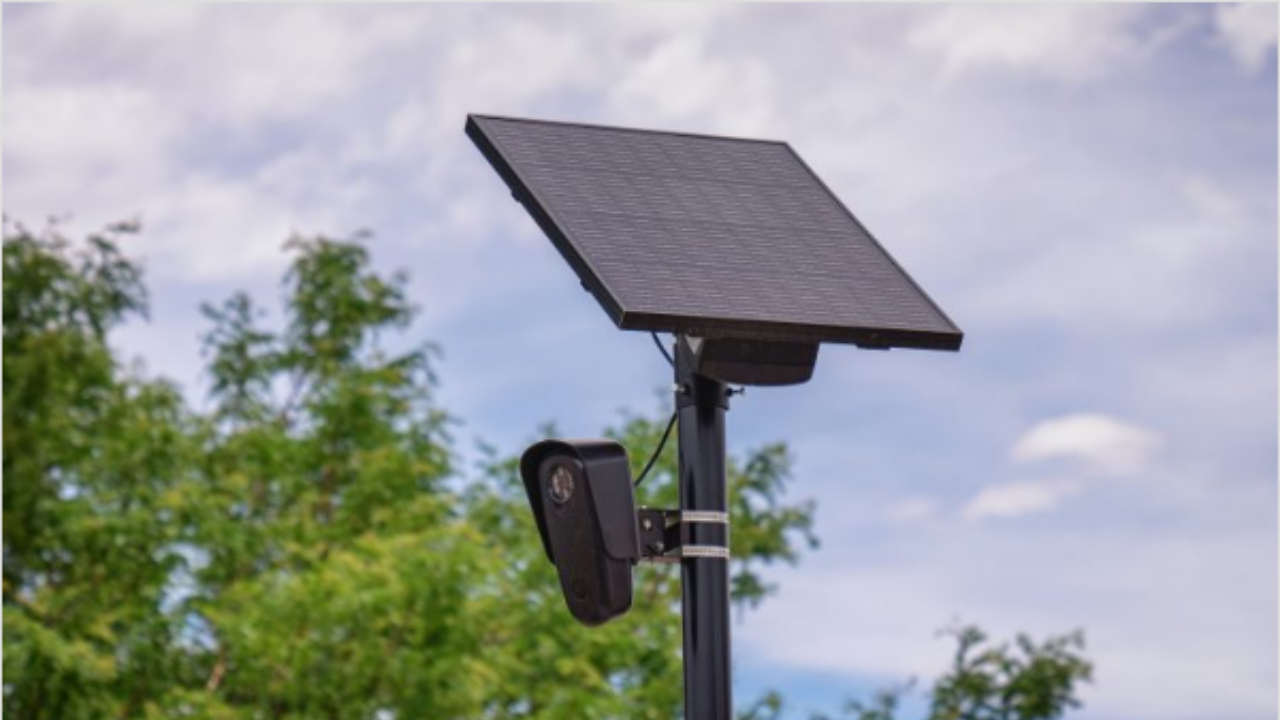
When a Texas police sergeant allegedly weaponized automated license plate reader networks to track a female colleague's daily movements, the incident exposed a terrifying blind spot in modern municipal surveillance. Michael Palitz, a veteran supervisor with the Pasadena Police Department near Houston, did not need to hide in the bushes or plant a physical tracking device on a target. He sat at a terminal and tapped into an omnipresent web of high-definition optical sensors originally marketed to catch car thieves and amber alerts. The system logged his unusual query volume only after the damage was done, pinging an internal threshold because a single vehicle was monitored with obsessive frequency.
This case is not an isolated clerical anomaly. It is a predictable symptom of deploying mass-surveillance architecture without constitutional guardrails or meaningful internal friction.
The Illusion of Internal Audits
Law enforcement agencies love to pitch automated license plate readers as objective, passive tools of public safety. Cameras mounted at intersections record every passing vehicle, logging timestamps, exact coordinates, vehicle makes, models, bumper stickers, and license plates. Private vendors like Flock Safety aggregate these data streams into searchable, cloud-based databases that span thousands of jurisdictions nationwide.
Yet the security model protecting these portals relies heavily on the honor system. Officers possess credentials granting broad query privileges under the vague umbrella of official business. When a user with badge credentials decides to run personal lookups out of malice, jealousy, or curiosity, the system rarely stops them in real time.
Instead, detection relies entirely on retrospective automated tripwires or whistleblowers. In the Pasadena investigation, the software eventually flagged the concentration of repetitive queries targeting one specific officer. By the time internal affairs launched a probe, the technology had already functioned as an institutionalized stalking apparatus. Palitz ultimately surrendered his peace officer license to dodge formal criminal prosecution, resigning from the department alongside other administrative shakeups.
The resolution protects the agency from a messy courtroom trial, but it leaves a foundational question unanswered. How many other users are quietly exploiting municipal networks without tripping automated volume flags?
Frictionless Access Breeds Abuse
Human history teaches a consistent lesson. Whenever surveillance power expands without immediate physical or administrative friction, abuse follows close behind.
Traditional surveillance required manual labor. Physical tails required multiple cars, shift rotations, visual line-of-sight, and the constant risk of burning an operative. Planting a GPS tracker on a vehicle required physical proximity, exposing the perpetrator to the risk of getting caught in the act.
Automated plate reader networks obliterate those barriers. An officer sitting in an air-conditioned precinct or at home on a laptop can trace a vehicle across entire county lines over a span of weeks in a matter of seconds. The physical distance between the stalker and the target collapses into a digital abstraction. The target remains entirely unaware that their commute, grocery runs, and visits to private residences are being harvested by someone wearing a badge.
When the system itself is designed for frictionless data retrieval, it inherently invites internal corruption. Accountability measures are routinely bolted on as an afterthought rather than engineered into the core infrastructure.
The Vendor Shield and Official Complicity
Private surveillance vendors operate in a lucrative gray zone. They sell hardware and software ecosystems to municipalities under the banner of fighting crime, while insulating themselves from liability when end-users break the law.
When controversies erupt, the playbook is remarkably uniform. The vendor emphasizes that the technology is intended for legitimate public safety applications. City officials express shock, launch internal probes, and promise tighter oversight. Yet the underlying data architecture remains unchanged. The massive caches of locational data continue to expand, capturing millions of innocent civilian movements every single day alongside the targets of official interest.
Consider a hypothetical scenario. A mid-sized police department purchases hundreds of optical traffic sensors to monitor major thoroughfares. Within six months, millions of data points sit on cloud servers accessible to dozens of sworn personnel and administrative staff. If only one percent of those users decide to check up on an estranged spouse, a political rival, or a coworker, thousands of unauthorized domestic espionage events occur annually.
The vendor does not suffer reputational damage because the misuse is framed as a rogue actor problem. But when the architecture itself makes rogue actions effortless, the distinction between a bad apple and a broken system vanishes.
Legislative Paralysis
Lawmakers across the country are scrambling to catch up with the proliferation of optical tracking networks. Proposals surface regularly to cap data retention periods, mandate warrants for out-of-state queries, or restrict federal funding for unvetted deployments. Yet these bills face fierce lobbying from public safety coalitions who argue that any restriction compromises officer safety.
In Texas and neighboring states, lawmakers have tried to address instances where automated logs exposed sensitive private actions, such as out-of-state healthcare visits or personal disputes, only to run into conflicting agency narratives and stonewalling. When police leadership controls the narrative and administrative records can be disputed or modified after the fact, transparency dies in the filing cabinets of internal affairs divisions.
The police sergeant who traded his license to avoid prison time is gone from the Pasadena force. The department itself faces ongoing leadership turnover and public scrutiny over how disciplinary files are handled. But the network of cameras above the asphalt remains active, logging every turn, every stop, and every private journey with chilling indifference to who is holding the keyboard.