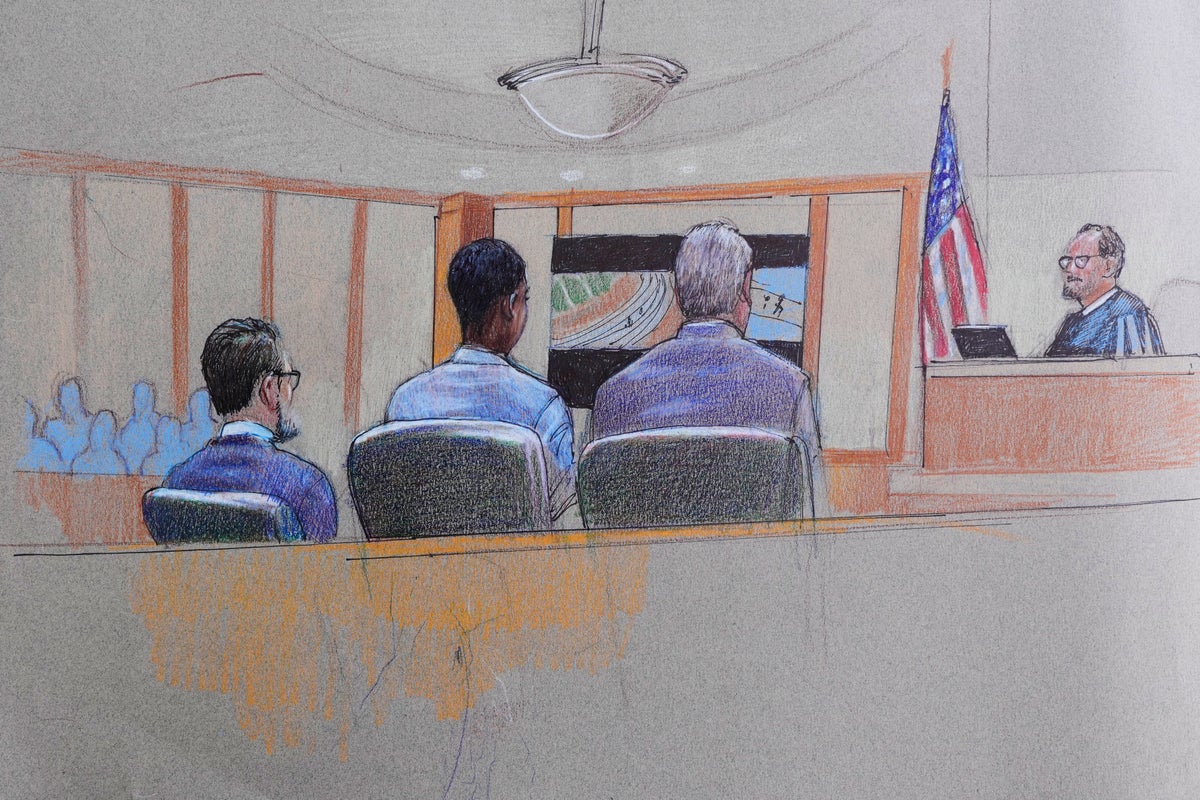
A Collin County courtroom did not quiet down when the motion for a new trial was officially struck dead. The legal machinery grinding through the Karmelo Anthony murder case exposed a shadowy underbelly of modern criminal defense: secret, off-the-record bargains struck to keep explosive character evidence out of the public eye.
Judge Michael Chitty issued a half-page order denying a retrial for the nineteen-year-old convicted of killing seventeen-year-old Austin Metcalf during an April 2025 high school track meet in Frisco, Texas. Anthony is currently serving a thirty-five-year prison sentence. Yet the refusal to grant a new trial does little to bury the disturbing revelations brought to light during a volatile two-day hearing. Behind closed doors, prosecutors and original defense attorneys had negotiated a quiet arrangement to muzzle details that might have blown an already racially charged community apart.
The central friction of the post-conviction hearings rested on what both sides agreed to hide. When Anthony walked into the stadium bleachers on that rainy spring afternoon and planted himself under a team tent that did not belong to his school, a petty turf dispute rapidly spiraled into a homicide. Witnesses testified that Metcalf and other student-athletes repeatedly told Anthony to leave. Words sharpened. Shoves were exchanged. Anthony reached into his bag, warned Metcalf to "touch me and see what happens," and then pulled a knife, plunging it into Metcalf's chest.
Jurors rejected self-defense arguments and returned a murder conviction. But the appellate battle revealed that the trial presented to the public was heavily curated.
State prosecutor Bill Wirskye admitted during the evidentiary hearings that the state sat on deeply damaging material regarding Anthony's frame of mind before the killing. Investigators uncovered text messages sent by Anthony on the morning of the incident, including a photo of a knife paired with the message, "I'm lowkey on the verge." Another recovered communication showed Anthony fantasizing about stabbing an individual and licking the blood off the blade. Prosecutors also pointed to school records indicating Anthony's former girlfriend had reported him for stalking just hours before the track meet, alongside past behavioral interventions for chronic aggression.
The defense, conversely, held ammunition of its own. Anthony's new legal team produced documentation indicating that Metcalf had a history of utilizing racial slurs and bullying Black peers.
Both sides had agreed to bury these respective grenades. The rationale appeared pragmatic on paper: prevent the courtroom from turning into an absolute powder keg in a case already amplified by viral social media posts, death threats, and intense racial friction. Anthony is Black; Metcalf was white. Although attorneys consistently maintained that race had no bearing on the actual altercation, the surrounding digital ecosystem treated the tragedy as proxy warfare. Families on both sides faced sustained harassment, fake autopsy reports circulated online, and a judge who originally granted bond received explicit threats.
An eleventh-hour breakdown of this unspoken pact changed everything. Fearing that prosecutors would introduce the violent text messages if Anthony took the witness stand, his defense team advised him to remain silent. He never testified. His core narrative of self-defense was left entirely to the circumstantial accounts of terrified teenagers who watched a school athletic event mutate into a crime scene.
Appellate attorneys argued that this off-the-record management compromised the integrity of the proceeding. They also successfully forced the recusal of the original trial judge, John Roach, after a local television interview surfaced in which Roach bluntly endorsed the jury's verdict, stating, "Whatever they say, they got it right." A visiting judge agreed that Roach's post-trial commentary created an untenable appearance of bias, leading to Judge Chitty's appointment just days before the retrial motion was heard.
Judge Chitty's refusal to wipe the slate clean means the thirty-five-year sentence stands. Defense counsel Russell Wilson has confirmed that an appeal to a higher court is already underway.
The tragedy at the Frisco track meet leaves behind no clean narrative. It exposes the raw vulnerability of youth sports culture when colliding with modern digital vigilantism, private legal maneuvering, and a justice system forced to adjudicate violence born from teenage impulse and unmonitored rage