The border is no longer just a geographical marker. It is a shifting trench line in an economic conflict that has upended decades of predictable diplomacy between Ottawa and Washington.
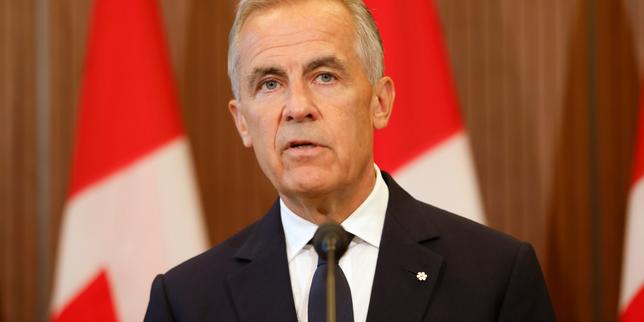
Canadian Prime Minister Mark Carney recently stood before reporters to confirm what manufacturers, dairy farmers, and lumber barons already felt in their balance sheets. The ongoing trade dispute initiated by the White House has crossed from a diplomatic friction into an outright economic struggle. When tariffs hit imports dollar for dollar, supply chains fracture. Yet beneath the barrage of steel surtaxes and retaliatory duties on machinery lies a secondary, more insidious front that rarely makes the financial broadsheets. The administrative pressure from Washington has begun targeting the cultural architecture of the Canadian state, specifically the legal protections shielding the French language and Quebec’s distinct identity.
The Anatomy of a Breakdown
Negotiations fail because the distance between compromise and capitulation becomes too wide to bridge. For months, trade representatives attempted to patch together an agreement that could satisfy an aggressive American executive branch. Instead of a standard treaty, Ottawa faced a moving target of demands. These included restrictions on Canada's sovereign right to regulate digital media, rollbacks on subsidies for francophone culture, and attacks on mandatory bilingual product labelling laws.
Washington framed these cultural protections as unfair trade barriers. Ottawa viewed them as non-negotiable pillars of national sovereignty. When a trading partner demands the dismantling of domestic language laws as a price for market access, commerce ceases to be about goods and services. It becomes an existential contest over identity.
Carney’s response was explicit. When an administration in Washington openly floats the concept of absorbing its northern neighbor as a nominal territory, economic coercion takes on a darker hue. The refusal to accept a flawed pact triggered a retaliatory cascade. Surtaxes on American steel, dairy, electronics, and paper are scheduled to lock into place, matching Washington's duties down to the exact dollar.
The Cost of Retaliation
Economic warfare exacts a toll that policy papers struggle to capture. In border towns like Fort Erie, small business owners watch the cost of cross-border shipping climb with every escalation. Factories that source components from Ohio or Michigan now face impossible margins. Consumers will ultimately shoulder this burden through inflated prices on groceries, vehicles, and household goods.
Provincial politics further complicates the federal posture. While leaders in industrial hubs demand aggressive counter-measures, regional authorities balance internal anxieties about market vulnerability. The threat is real, systemic, and structural. Yet, the political consensus inside Ottawa remains rigid: yielding on cultural protection or language rights would permanently alter the social contract holding the federation together.
The friction over bilingual labeling and francophone media subsidies is not an accidental inclusion in trade talks. It represents a systematic effort by external actors to erode the internal laws that keep Canada distinct from its southern neighbor. By challenging these regulations, the White House tests the outer limits of Canadian compliance.
History suggests that economic nationalism hardens public resolve before it breaks it. As September approaches and retaliatory tariffs take full effect, the economic geography of North America enters an era of permanent friction. The era of frictionless borders is over, replaced by a defensive posture where language, culture, and trade are fused into a single front line.
Canada fera «tout ce qu'il faudra» face à la guerre commerciale de Trump, dit Carney
This video provides additional context on Prime Minister Mark Carney's official statements regarding Canada's strategy and economic defense measures against incoming American tariffs.
http://googleusercontent.com/youtube_content/1