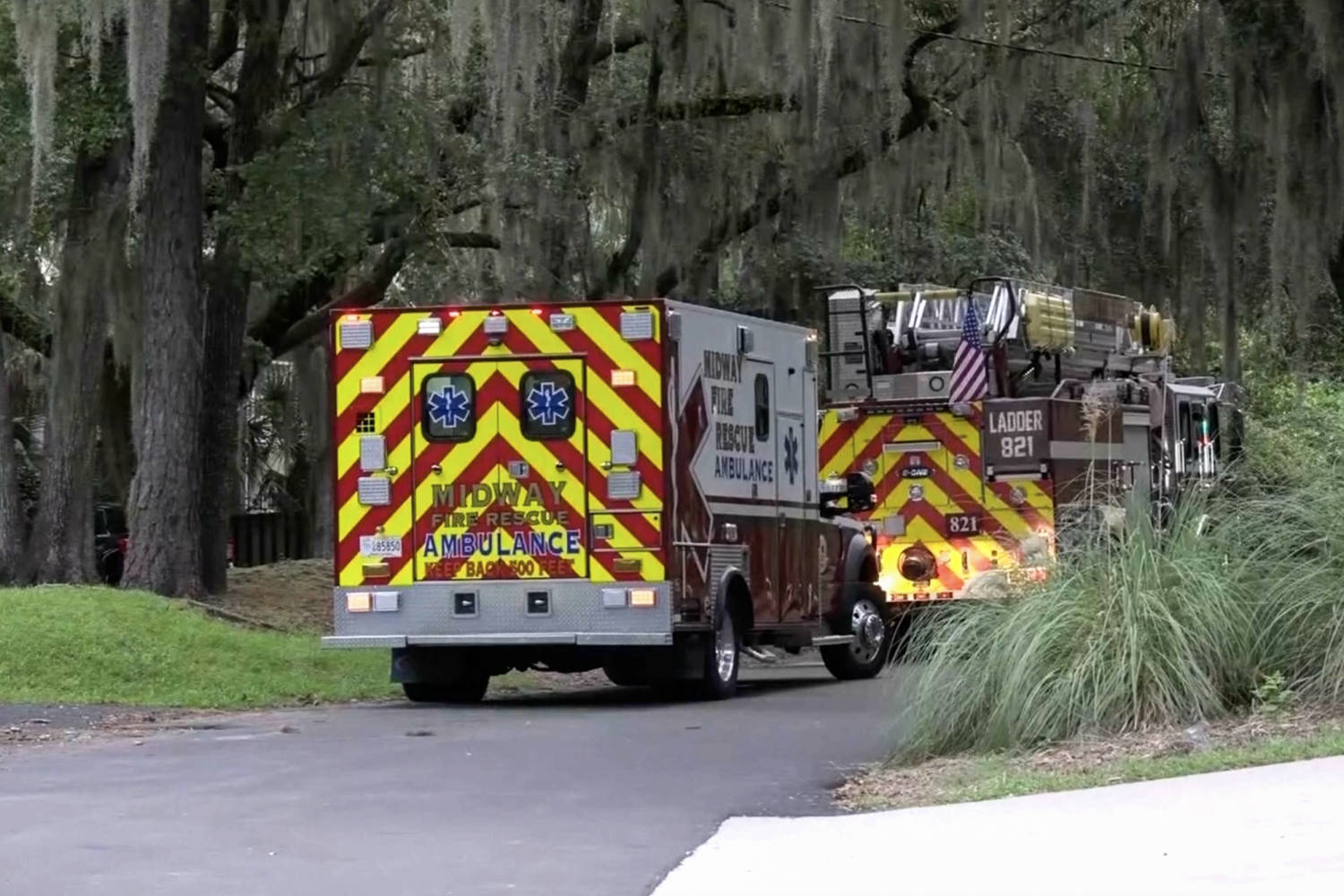
John Herb Hayes III and Geordyn Nichole Hayes thought they could outrun accountability in a coastal South Carolina vacation rental, but the water gave up its secret, and the warrants followed swiftly. When five-year-old Saylor Hayes—severely nonverbal, autistic, and drawn helplessly toward open water—was found dead in Georgetown County, the public narrative immediately curdled from a localized missing-child search into an ugly portrait of alleged parental deception and profound structural breakdown.
The details emerging from law enforcement paint a grim operational timeline. Saylor went missing on a Sunday from a Pawleys Island rental. Hundreds joined the search. Yet, according to arrest warrants filed by the Georgetown County Sheriff's Office, her parents actively subverted the life-saving measures meant to protect her. Also making waves in this space: The Afternoon the Mall Stopped Breathing.
Saylor had been enrolled in Washington County, Virginia's Project Lifesaver program since June 2024, assigned a specialized tracking frequency. But that safety net was deliberately dismantled before the family ever packed their bags for the coast. The monitoring device was removed. When the child vanished, her parents directed search personnel to chase tracking technology they knew did not exist on her person, while simultaneously steering rescue efforts away from the nearby water.
Why would caregivers actively sabotage a search for a missing, vulnerable child? Investigators are keeping their cards close to their chests regarding motives, but a look into the family’s judicial footprint reveals a troubling history that extends far beyond a single weekend in South Carolina. More information into this topic are covered by The Washington Post.
A History Hidden in Plain Sight
Court records from Virginia pull back a curtain on an unstable domestic environment. John Herb Hayes III and Geordyn Nichole Hayes have faced prior felony charges involving child abuse and endangerment. In a 2023 case, two young children in their custody—matching the initials and age profile of children in the household—tested positive for controlled substances, including methadone and methamphetamine.
Legal gymnastics followed. Guilty pleas entered under the Alford doctrine—where defendants do not admit factual guilt but acknowledge prosecutors have enough evidence for a conviction—led to probationary terms before those specific charges were ultimately dismissed in early 2026. Weeks later, Geordyn Hayes faced additional felony charges after law enforcement found her stranded in freezing temperatures in a car that had run out of gas, exhibiting signs of substance impairment. That felony charge was eventually downgraded to a misdemeanor, placed on a deferred track.
This is where institutional machinery falters. Child protective services and judicial systems are heavily incentivized toward family reunification, operating under the philosophical belief that biological homes can always be rehabilitated with enough oversight. Critics argue this model prioritizes adult procedural rights over the immediate, non-negotiable safety of minors who cannot speak for themselves. When multiple red flags involving substance abuse and child endangerment yield deferred sentences and dismissals rather than permanent protective interventions, vulnerable children remain trapped in the crossfire of a sluggish bureaucracy.
The Elopement Danger
Autistic wandering, or elopement, is a well-documented crisis within developmental pediatric communities. Children with severe nonverbal autism frequently possess zero perception of environmental danger. Bodies of water act as silent magnets. A pool, a pond, or an ocean tide exerts an overwhelming sensory pull, and tragedy can occur in less than a minute of distraction.
Project Lifesaver and similar radio-frequency tracking bands are designed precisely to mitigate this terrifying reality. They offer a tether when human supervision inevitably slips. Stripping that tether away from a five-year-old child with a known history of elopement while vacationing yards from the Atlantic coast is not merely poor parenting. According to South Carolina prosecutors, it crosses the bright line into criminal negligence and willful abandonment.
The arrest of the Hayeses in Carter County, Tennessee, days after the recovery of Saylor's body brings a measure of procedural justice, but it cannot resurrect a little girl who deserved absolute protection. As the case moves through the courts, the broader legal and social welfare apparatus must confront an uncomfortable interrogation. How many warning signs are required before the system stops giving second chances to adults and starts safeguarding the silent victims caught in the balance?
Parents charged after 5-year-old found dead in South Carolina
This video report outlines the immediate local law enforcement response following the discovery of Saylor Hayes in South Carolina and the subsequent apprehension of her parents.
http://googleusercontent.com/youtube_content/1