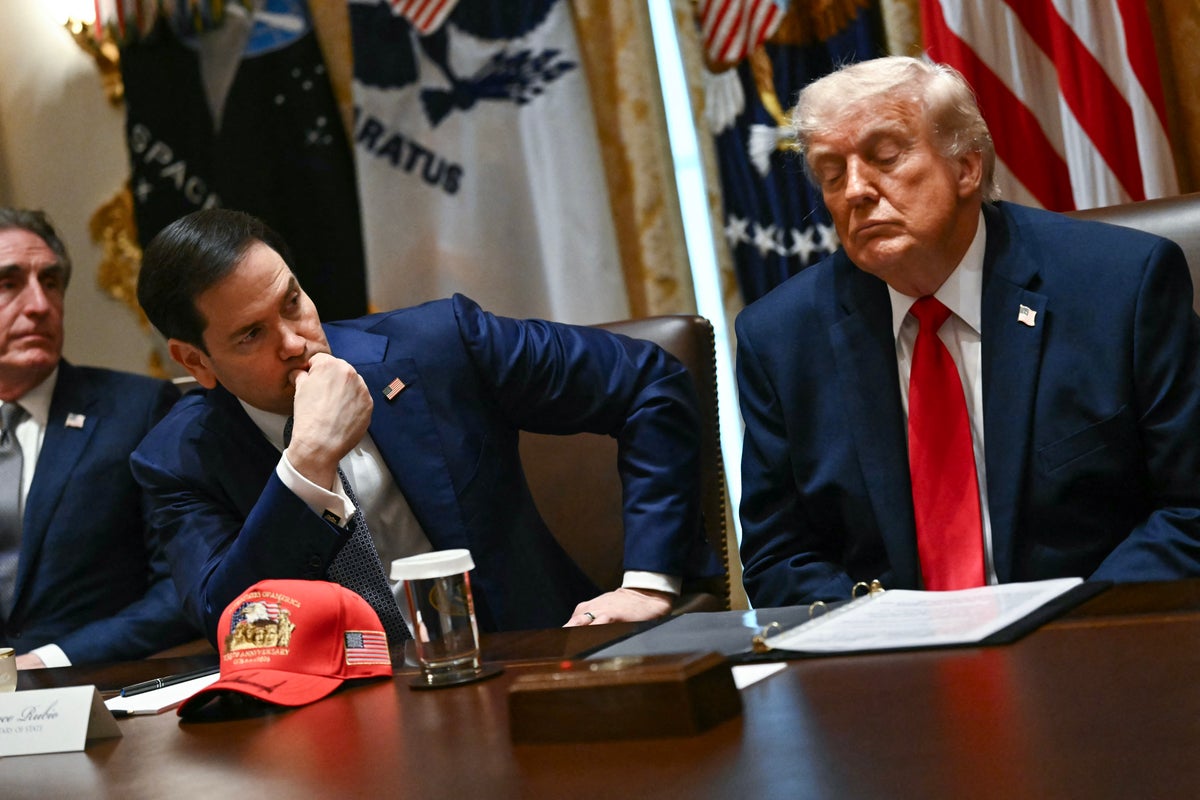
The televised Cabinet meeting is traditionally a dull, choreographing exercise in bureaucratic messaging. But Donald Trump turned his latest West Wing gathering into something entirely different: a masterclass in executive misdirection that masked a profound structural crisis within the federal government.
While the public fixated on the theater, the real story lay in what went unsaid. The spectacle was a deliberate strategy designed to shield an administration grappling with shifting geopolitical realities, unresolved global conflicts, and severe internal dysfunction. By projecting an image of absolute fealty and hyper-focus on superficial wins, the executive branch effectively insulated itself from accountability.
The Illusion of Governance and the Rise of Courtroom Etiquette
Most analysis of the recent session focused on the bizarre, over-the-top adulation offered by department heads. One by one, secretaries compared the current administration to historical turning points, claiming a mandate that surpassed conventional political achievements. To the casual observer, this looks like a vulnerable leader demanding ego fulfillment.
Look closer. This sycophancy is a survival mechanism for a specific breed of bureaucrat. In a traditional administration, a cabinet secretary derives authority from their policy portfolio and their standing with congressional committees. Today, that authority depends entirely on proximity to the oval office. The praise-heavy remarks are not merely ego strokes; they are defensive maneuvers designed to protect departmental budgets and personnel from sudden, late-night personnel shifts via social media.
The cost of this dynamic is the complete erasure of policy debate. While public attention focused on administrative theater, critical geopolitical friction points received minimal attention. A nominal update on international security affairs was quickly derailed by a ten-minute disquisition from the commander-in-chief regarding the maintenance of municipal water features and brick walkways in Washington parks. The executive branch spent more time detailing the differences between sandblasting and "pebble-blasting" than it did mapping out a comprehensive endgame for the complex standoff in the Middle East.
Micro-Management as Macro-Distraction
The fixation on hyper-local details—playing the role of a small-town mayor rather than the leader of the free world—serves a dual purpose. It creates an accessible narrative for the base while avoiding the difficult, metrics-driven explanations required for economic and foreign policy crises.
The Infrastructure Paradox
Consider the intense focus on infrastructure projects surrounding the National Mall, including controversial proposals for a massive triumphal arch near hallowed ground. This is classic distraction technique. While the executive branch boasts about direct oversight of local construction, major structural challenges remain unaddressed.
- Funding Gaps: Major national transit projects face steep deficits while resources are diverted to visible vanity structures.
- Regulatory Avoidance: Bypassing traditional congressional authorization pathways sets a precedent that undermines long-term public works planning.
- Superficial Metrics: Measuring the health of a nation by the cleanliness of a reflection pool replaces substantive indicators like manufacturing output or labor participation rates.
This micro-management strategy exploits a key vulnerability in modern journalism: the preference for the absurd over the complex. A headline about a president confusing a reflection pool with a lake writes itself. A detailed investigation into how unilateral executive funding maneuvers violate the Commemorative Works Act requires actual digging. By flooding the zone with eccentric commentary, the White House ensures that the technical, legally questionable mechanisms of its governance are pushed below the fold.
The Fragmented Coalition and Executive Isolation
Beneath the superficial unity of the Cabinet table sits a deeply fragmented policy apparatus. Traditional conservative tenets—such as a belief in post-WWII international alliances—have been replaced by a transactional isolationism. This shift is not just ideological; it actively disrupts the flow of intelligence and strategic planning between the State Department, the Pentagon, and the intelligence community.
When an executive publicly boasts about ignoring traditional partners or reducing complex regional conflicts to five-hour transactional negotiations, it signals to the deep bureaucracy that their expertise is secondary to intuitive dealmaking. The result is an administrative freeze. Career officials become hesitant to offer candid assessments that contradict the prevailing narrative of easy victories.
This creates a dangerous feedback loop. The less objective data the executive receives, the more the administration relies on a curated reality where global problems are resolved by personal charisma or economic threats alone. The bizarre Cabinet interactions are the outward manifestation of this closed loop. When department heads realize that presenting nuanced challenges invites professional risk, they pivot entirely to validating the executive's worldview.
The Long-Term Cost to Institutional Integrity
The transformation of these meetings from policy briefings to personal loyalty tests has a corrosive effect that outlasts any single political cycle. It alters the fundamental nature of civil service. Competent policy experts choose to exit rather than participate in highly visible displays of compliance, leaving key agencies staffed by political loyalists who lack institutional memory.
This erosion of expertise becomes critical during genuine national emergencies. If a cabinet is conditioned to offer only optimistic reassurances and focus on minor domestic aesthetics, it loses the capacity to coordinate a rapid, fact-based response to sudden global instability or market volatility. The theater observed at the White House is not a harmless eccentricity. It is an active degradation of the state’s operational capacity, designed to replace institutional governance with personal authority.
The reality of the modern cabinet is that the bizarre interactions are not flaws in the system; they are the system itself. They provide a vivid public distraction while the actual mechanisms of statecraft are either neglected or run via unilateral executive decree behind closed doors.