The lazy consensus in mainstream foreign policy circles reads like a tired legal textbook: Washington has crossed a dangerous red line by placing financial sanctions and visa restrictions on the International Criminal Court. Pundits weep for the rules-based international order, wringing their hands over institutional sovereignty and the collapse of global accountability. They frame the White House measures and the accompanying 180-day wind-down windows as an authoritarian assault on international justice.
They are entirely wrong.
The uproar completely misses the foundational contradiction of modern international law. The International Criminal Court was never an impartial temple of global justice. It is a politically compromised tribunal attempting to exercise universal jurisdiction without universal consent. The United States never signed the Rome Statute. Neither did nations like Israel, China, or Russia. You cannot bind sovereign states to a legal framework they explicitly rejected, and then act surprised when those states refuse to submit to extrajudicial overreach.
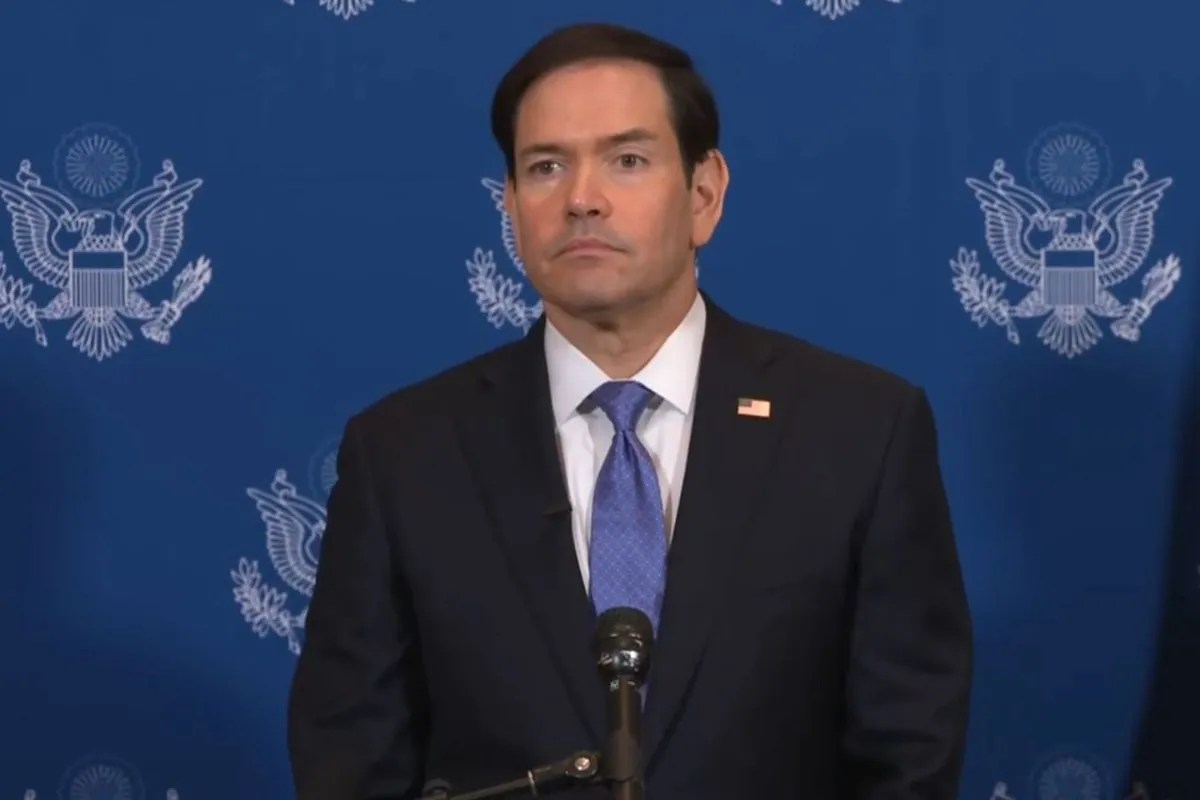
When Secretary of State Marco Rubio defended the move, pointing out that Washington will never accept a foreign tribunal asserting authority over American service members, border personnel, or elected leaders, he was stating a basic reality of statecraft. Power respects power, not paper. The idea that a court sitting comfortably in The Hague can police the geopolitical actions of non-member states without their consent is a fantasy cooked up by legal bureaucrats who confuse moral posturing with hard reality.
I have watched foreign policy analysts waste millions of dollars and decades of diplomatic capital trying to prop up toothless international bodies that collapse the moment a major power's core security interests are challenged. The ICC operates on a convenient hypocrisy. It targets nations that lack the economic or military muscle to push back, while remaining structurally impotent against genuine global superpowers.
Consider the mechanics of the court's funding and structure. When a tribunal relies on the voluntary contributions and political moods of member states while claiming independent global authority, it ceases to be a court. It becomes a political weapon. When the institution expanded its scope to target non-member allies and sovereign leaders, it crossed from judicial review into executive lawfare.
The 180-day operational grace period granted under the recent sanctions architecture is not a sign of weakness. It is a hard corporate-style wind-down notice. It gives the institution a choice: restrict your mandate to actual consenting member states or face complete financial isolation from the global dollar system.
Critics call this isolationism or bullying. It is neither. It is defensive realism. No sovereign government with an independent military will ever outsource its national defense or the accountability of its soldiers to an unelected panel of international judges who answer to no domestic electorate.
The real scandal is not that Washington is defending its people from foreign warrants. The scandal is that international institutions spent decades pretending they could write laws for countries that never signed the contract.
Stop mourning a broken court. The illusion of global legal supremacy is dead, and international relations are finally returning to the ruthless reality of sovereign power.