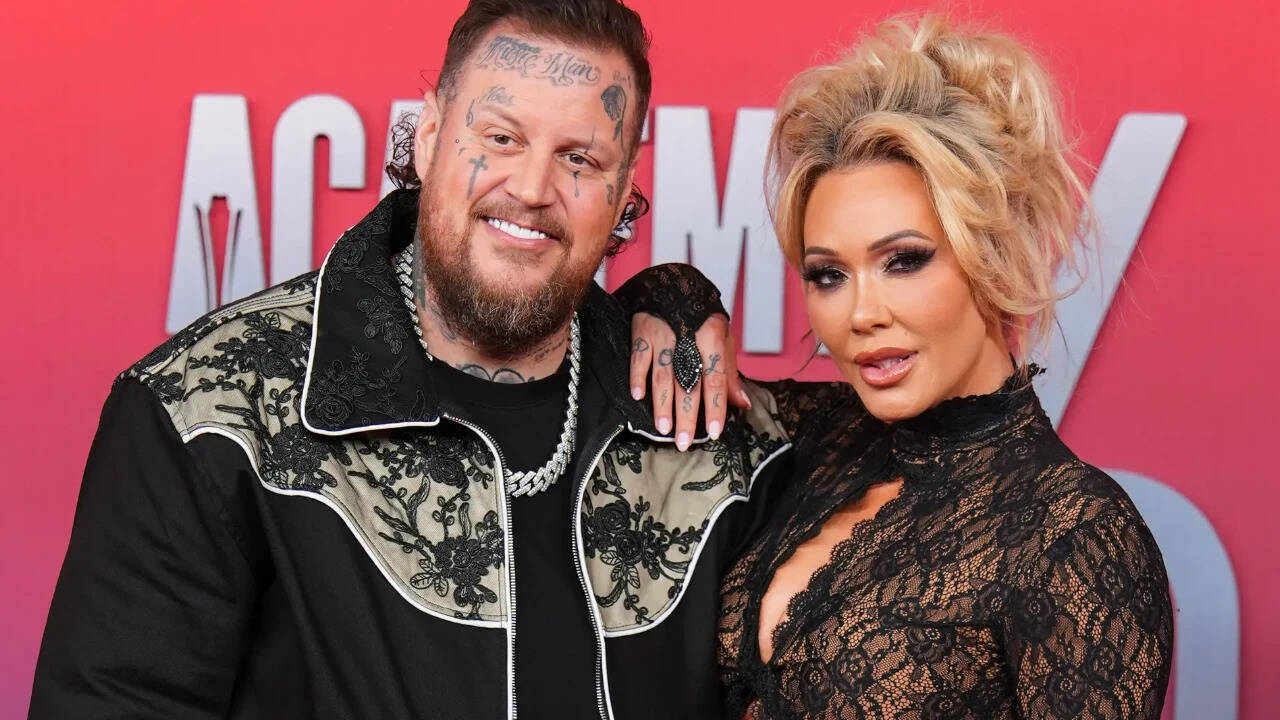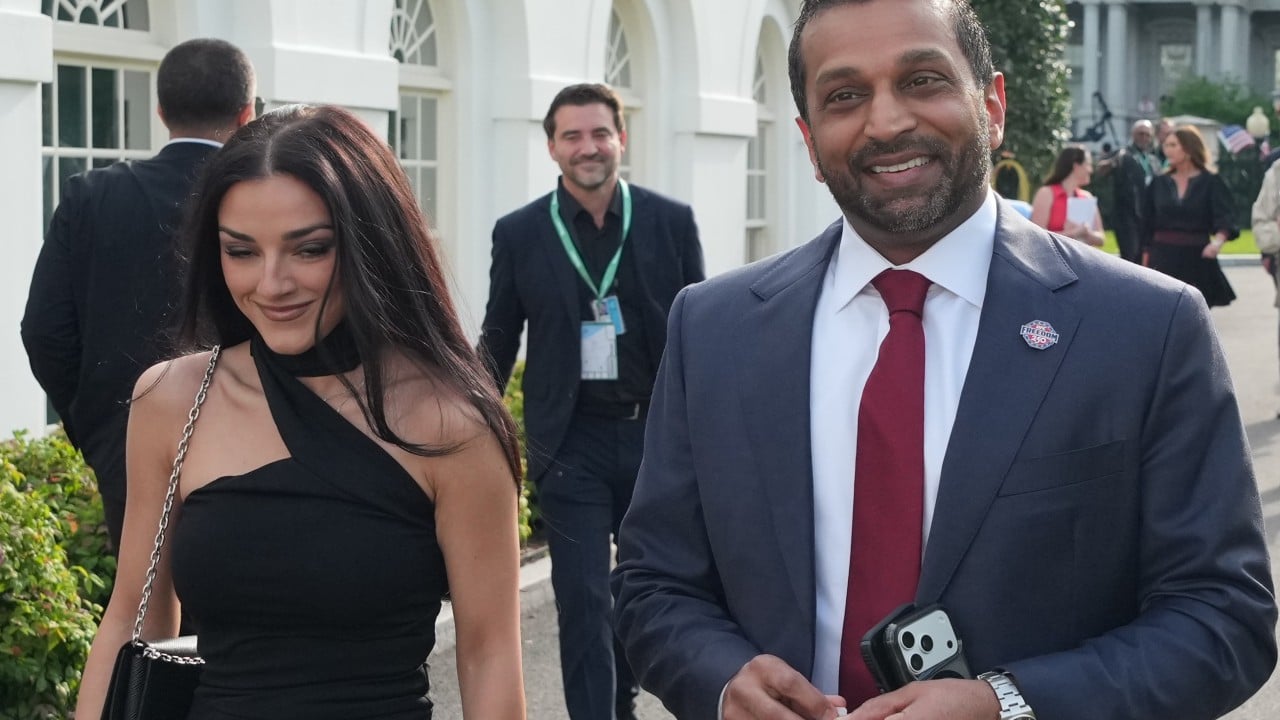
The convergence of political leadership and cultural celebrity operates through well-documented mechanisms of institutional influence and public relations strategy. When high-profile individuals in national security or governance align their personal lives with figures from the entertainment industry, the resulting public discourse often obscures the underlying structural dynamics of institutional signaling and brand consolidation. Examining the public engagement announcement between FBI Director Kash Patel and country music artist Alexis Wilkins requires moving past standard celebrity journalism to analyze how institutional actors and cultural producers utilize mutual association to navigate public perception, media ecosystems, and political capital.
Public visibility functions as an institutional asset. For leaders within law enforcement and intelligence frameworks, maintaining a controlled public image is essential for organizational legitimacy. Conversely, artists operating within niche or mainstream commercial markets depend on continuous media attention to sustain audience engagement and commercial viability. The union of a federal official and a public performer creates a dual-channel communication strategy. Information regarding the relationship does not merely circulate within social networks; it bridges two distinct institutional domains: the apparatus of the state and the apparatus of cultural production.
To understand the mechanics of this alignment, one must examine the utility of narrative control. Modern media environments are saturated with fragmented information, requiring public figures to employ strategic disclosures to anchor public perception. Announcing a significant personal milestone through curated channels allows both individuals to dictate the terms of their public narrative, preempting speculative reporting and directing the analytical focus of commentators toward a predetermined frame. This approach minimizes reputational volatility by transforming a personal event into an intentional public touchpoint.
The structural impact of such high-profile partnerships extends to audience overlap. The demographic profile associated with traditional country music intersects significantly with the political base that supports populist or institutional reform figures. By establishing a public link between these two spheres, the actors involved reinforce mutual trust among their respective constituencies. This alignment functions as a subtle form of coalition building, where cultural affinity validates political positioning, and political authority elevates cultural prominence.
Media amplification follows distinct economic incentives within this dynamic. Algorithms governing digital platforms reward high-engagement topics that combine authority figures with entertainment personalities. News outlets capitalize on the inherent curiosity generated by cross-industry pairings, ensuring widespread distribution without requiring direct expenditure on traditional public relations campaigns. The resulting coverage acts as an efficient amplifier, maximizing reach across disparate demographic segments that might otherwise consume news within isolated silos.
Yet, this strategic integration introduces distinct operational vulnerabilities. High public visibility increases scrutiny on both personal conduct and professional responsibilities. For a federal law enforcement official, maintaining an elevated profile in the entertainment sphere can complicate the perceived neutrality required by public office. Stakeholders within the governance ecosystem often evaluate personal associations through the lens of potential conflicts of interest or distractions from core administrative duties. Managing these competing demands requires a rigorous compartmentalization of private life and public obligation.
The longevity of such public alignments depends on the stability of the narratives that sustain them. As media cycles accelerate, initial attention inevitably gives way to deeper structural evaluations by the public and institutional watchdogs. Maintaining credibility within both the cultural marketplace and the state apparatus necessitates consistent alignment between stated values and public actions. Those who successfully navigate this dual exposure typically rely on disciplined communication strategies that reinforce core professional competencies while managing the expectations of entertainment audiences.
Future developments in how public figures manage their personal narratives will likely reflect an increasing professionalization of lifestyle integration. As traditional boundaries between institutional authority and public celebrity continue to dissolve, leaders across sectors must calculate the trade-offs of visibility against the imperatives of institutional integrity. The engagement between Patel and Wilkins serves as a contemporary case study in how personal milestones are mobilized within larger communication architectures, illustrating the intricate calculus required to sustain influence in a hyper-connected media landscape.