We rarely notice the floor beneath us until it gives way. We step off curbs, merge onto asphalt arteries, and zip past glowing orange cones with a casual, almost arrogant trust. Someone has planned this. Someone has drawn the invisible lines that keep thousands of tons of metal and bone from colliding in the dark.
Most days, that machinery hums below the threshold of human consciousness.
Then comes a shift at the top.
When leadership changes in the world of infrastructure and traffic management, the headlines usually read like dry ledgers. Shuffling titles. Corporate boardrooms. Stock tickers. But behind the cold ink of an executive transition lies a human story about the weight of safety. Consider what happens when a veteran of high-stakes aviation—where a single miscalculation carries catastrophic gravity—steps into the quiet battleground of keeping roadways safe.
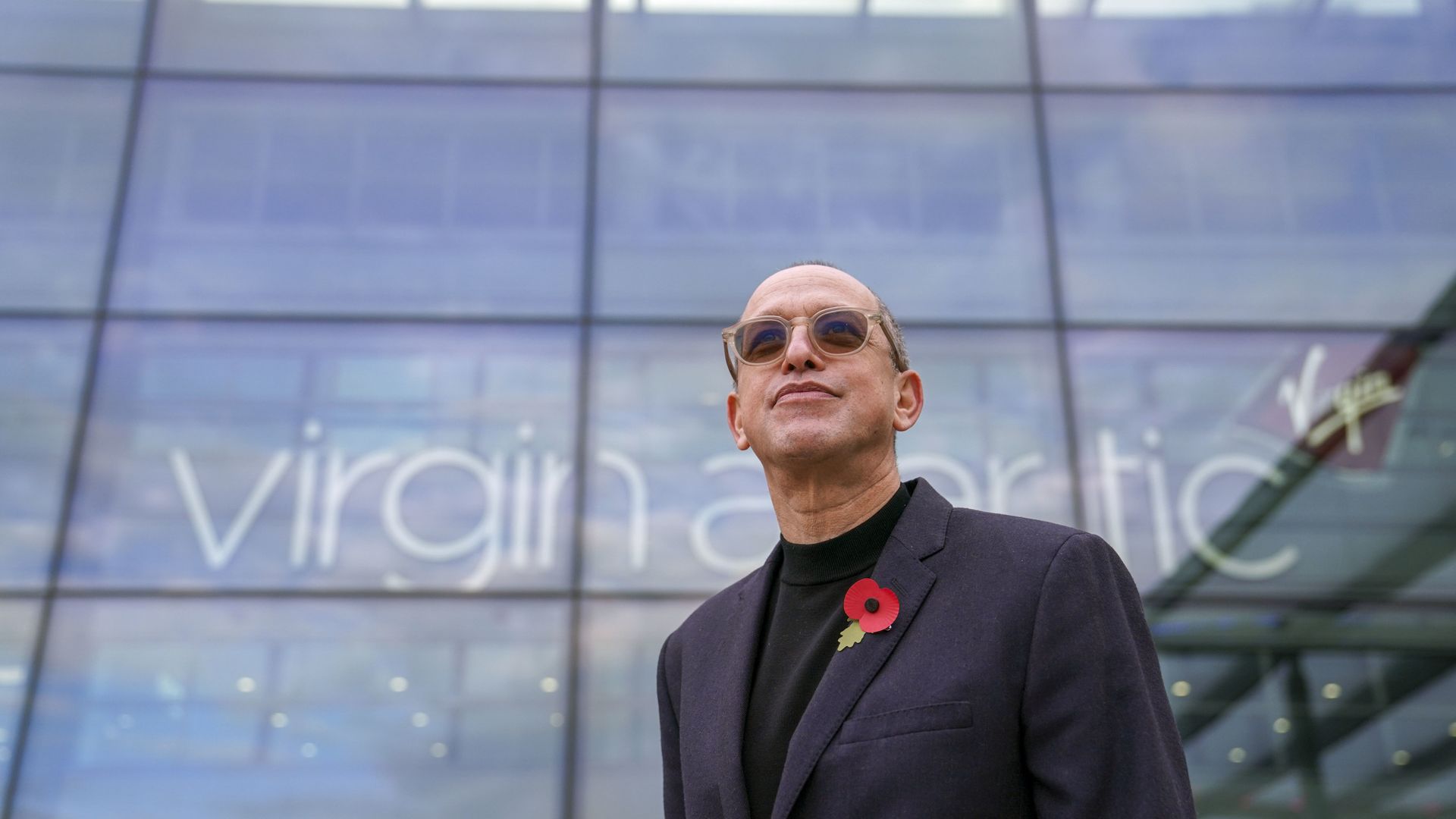
Shai Weiss, formerly at the helm of Virgin Atlantic, is making that exact pivot. He is moving from the wide-open skies to the congested, unpredictable trenches of Ramudden, a major player in work zone safety and traffic management.
At first glance, the jump from commercial aviation to roadside safety feels unusual. Airplanes move at Mach speeds through thin air guided by radar and rigid protocols. Roadwork happens feet away from speeding commuters scrolling through text messages on rain-slicked asphalt.
Yet, the DNA of both worlds is identical. Risk mitigation. Operational precision. The absolute intolerance for failure.
Imagine standing on a highway shoulder at two in the morning. The air smells of diesel exhaust and damp earth. A wall of plastic barriers separates you from an oncoming stream of headlights barreling toward you at seventy miles per hour. You are holding a radio, coordinating a shift in lanes before the morning rush hour wakes a sleeping city.
That is the reality of modern traffic management. It is not just about placing orange cones or flashing lights. It is about psychology, timing, and engineering human behavior.
For years, companies like Ramudden have operated in the shadows of public awareness. They provide the physical and digital infrastructure that protects road workers, utility crews, and everyday drivers. They are the shock absorbers of our daily transit. As urbanization accelerates and aging infrastructure demands constant repair, the pressure on these systems mounts exponentially.
Why bring in an aviation executive to steer a ground-level safety company? Because the future of mobility is converging.
The skies and the streets are facing the same modern ghosts: labor shortages, supply chain friction, and the relentless demand for digital transformation. An airline executive understands how to manage complex ecosystems where safety margins are razor-thin. They know how to scale operations globally while maintaining strict compliance on the ground.
When leaders like Weiss transition across industries, they carry mental models forged in high-pressure environments. In aviation, safety culture is not a checklist on a wall; it is an active, breathing organism. Every near-miss is investigated. Every procedure is scrutinized. Translating that rigorous, zero-tolerance mindset to roadside protection could redefine how cities handle infrastructural decay.
We take our infrastructure for granted until it fails. We curse the traffic jam caused by a blocked lane without thinking about the road worker standing five feet away from danger, trusting a plastic barrier and a flashing arrow board to protect their life.
The quiet evolution of companies managing our physical spaces dictates whether we arrive home safely or become another statistic on the evening news. By shifting veteran leadership into these critical sectors, the industry is signaling a maturation. Safety is no longer just a regulatory checkbox. It is the core product.
The road ahead is cluttered, complex, and constantly shifting. But as new minds take the wheel of our foundational systems, the invisible hand guiding us through the chaos gets a little steadier.
And that makes all the difference when the rubber meets the road.