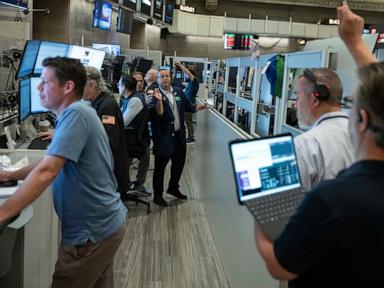
The coffee machine in the corner of the trading floor has been hissing since four in the morning. Outside the floor-to-ceiling glass of Lower Manhattan, the sky is the color of a wet slate shingle, bruised and indifferent to the billions of dollars waking up beneath it.
Arthur shifts his weight from one aching heel to the other. He has spent thirty years watching the architecture of global finance wobble, crack, and somehow re-weld itself just before total collapse. But today, the air tastes different. It tastes like ozone before a lightning strike.
Everyone is waiting.
They are waiting for a name. They are waiting for a signal. They are waiting for Kevin Warsh.
To the casual observer scrolling past financial headlines on a crowded subway train, the phrase Waiting for Warsh sounds like a low-budget political thriller or an obscure academic play. It is neither. It is the collective holding of breath across trading desks from Tokyo to Toronto. It is a whispered calculation about who might soon hold the steering wheel of the world's most powerful monetary engine, and whether they intend to slam on the brakes or floor the gas pedal.
Markets hate vacuums. They despise uncertainty even more. Right now, the financial ecosystem exists in a state of suspended animation, pricing in rumors, dissecting past speeches, and hunting for clues in the tea leaves of Washington corridor gossip.
Consider what happens when the anchor of a ship slips. The crew does not panic immediately. They stare at the chain, watching the links jerk, wondering if the metal will hold when the storm hits. Warsh represents a particular kind of metal. He is sharp-edged, schooled in the bruising corridors of Wall Street and the austere marble halls of the Federal Reserve. To some, he is the disciplined savior who will finally restore fiscal sobriety. To others, he is an unpredictable variable, a hawk ready to claw back liquidity just as the patient gets used to the painkiller.
We have seen this movie before.
In the autumn of 2008, I stood on a trading floor not unlike this one, watching screens bleed a violent, fluorescent red as Lehman Brothers folded like a house of cheap plywood. The panic was not abstract. It smelled like cold sweat and stale pepperoni pizza. It sounded like a symphony of frantic phone calls to spouses, lawyers, and risk managers. People forgot to breathe.
When leadership shifts at the top of the financial hierarchy, that ancient, subterranean panic stirs. It does not matter that we are years removed from the Great Financial Crisis; the muscle memory of terror runs deep in the bones of anyone who has ever managed a portfolio or paid a mortgage.
Warsh’s shadow looms large because the current monetary trajectory feels increasingly fragile. Inflation has left its bruised thumbprint on grocery receipts and gas pumps across the country. Central bankers have walked a tightrope, trying to tame rising prices without tipping millions of ordinary workers into unemployment lines. It is a balancing act performed without a net.
If you ask an institutional investor why Warsh matters, they will point to his skepticism of bloated balance sheets. They will talk about quantitative tightening, interest rate paths, and regulatory compliance. They will use clean, antiseptic language to describe a very messy human anxiety.
Let us translate that antiseptic language into the living room of Sarah and David.
David is a carpenter in Ohio. Sarah manages inventory for a regional medical supplier. They do not follow Federal Reserve appointments on Bloomberg terminals. They know nothing of Kevin Warsh’s academic papers or his tenure as a central bank governor. But when the cost of borrowing climbs because the bond market reacts to a hawkish new nominee, David’s phone stops ringing with remodeling jobs. When credit tightens, Sarah’s company delays its expansion, freezing her path to a promotion.
The macroeconomic weather report in Washington dictates whether David can afford soccer cleats for his daughter this autumn. That is the invisible thread connecting the marble pillars of the capital to the asphalt of Main Street.
Markets are fundamentally emotional organisms built out of millions of nervous human beings. They project their hopes, their traumas, and their delusions onto single individuals. Right now, Warsh is the screen upon which everyone is projecting their economic destiny.
Will he challenge the status quo? Will he bend to political winds, or will he stand like an unmovable stone wall against the printing presses?
Nobody knows. That is why the coffee machine keeps hissing. That is why the terminal screens remain bathed in amber light, flashing updates that say nothing while shouting everything.
We sit in the quiet between the notes. The old era is sputtering out, exhausted by years of emergency interventions and structural strain. The new era waits in the wings, adjusting its cuffs, stepping toward the podium.
Arthur takes a sip of his lukewarm coffee, stares at a blinking cursor on his spreadsheet, and waits for the bell to ring.
The digital clock on the wall ticks over to nine. The opening bell sounds, not with a majestic chime, but with a sharp, synthetic electronic beep. The numbers begin to dance. Green flashes, red drops. The machine moves forward, hungry, blind, and still waiting.