The coffee in the glass mug is already cold. Outside the tall windows of the Los Angeles conference room, the morning fog clings to the asphalt like a damp shroud, blurring the silhouettes of palm trees against a pale, washed-out sky. Inside, the air smells of expensive linen, neutral-toned anxiety, and the quiet, crushing weight of nine figures.
Legal teams have been arguing for seventy-two hours straight. Lawyers in custom charcoal suits loosen their collars, their eyes bloodshot, staring at screens glowing with dense paragraphs of legalese. They are not just drafting paperwork. They are redrawing the boundaries of modern entertainment.
When corporate titans collide, the shockwaves rarely register as explosions. They sound like the soft click of a ballpoint pen signing a settlement agreement.
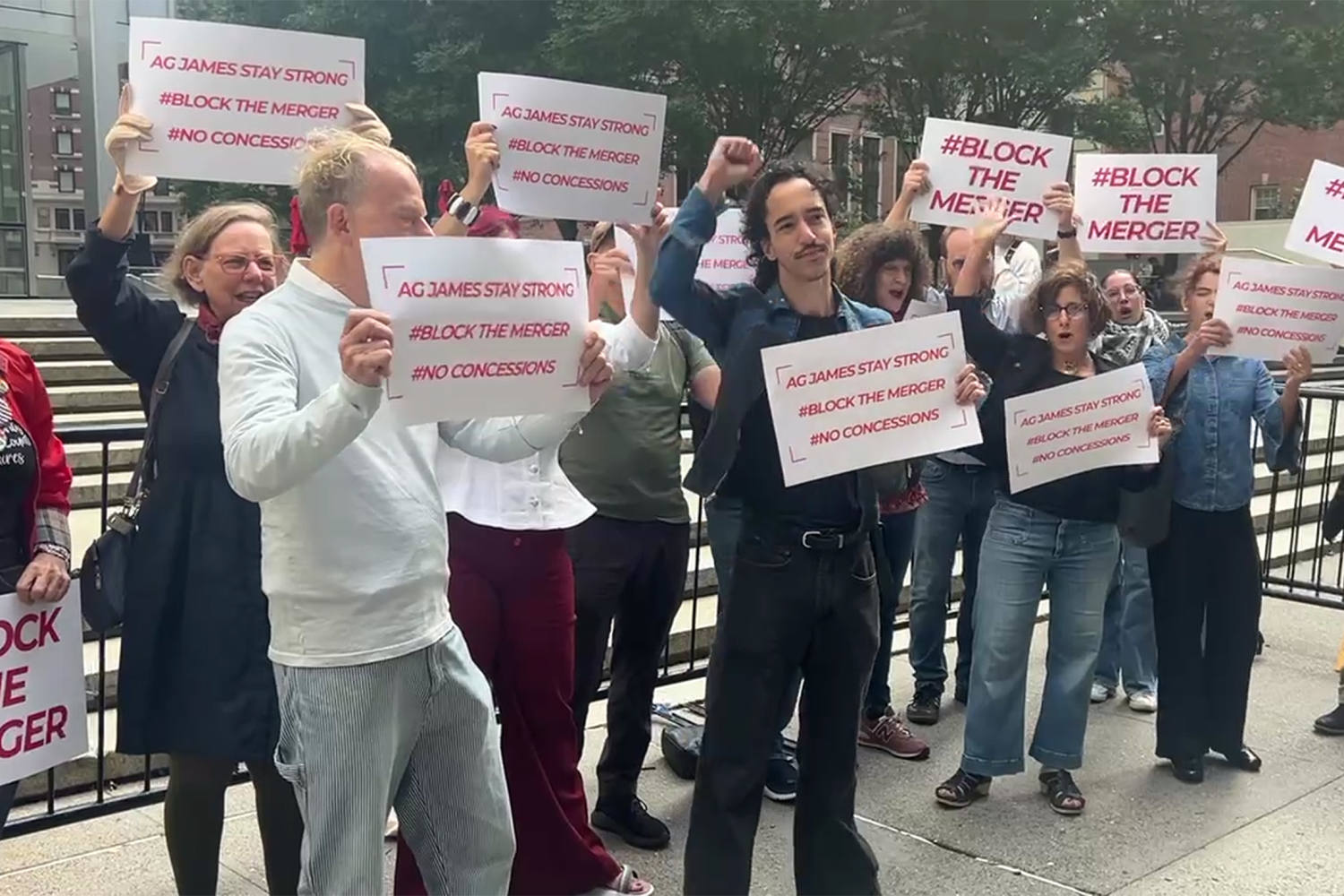
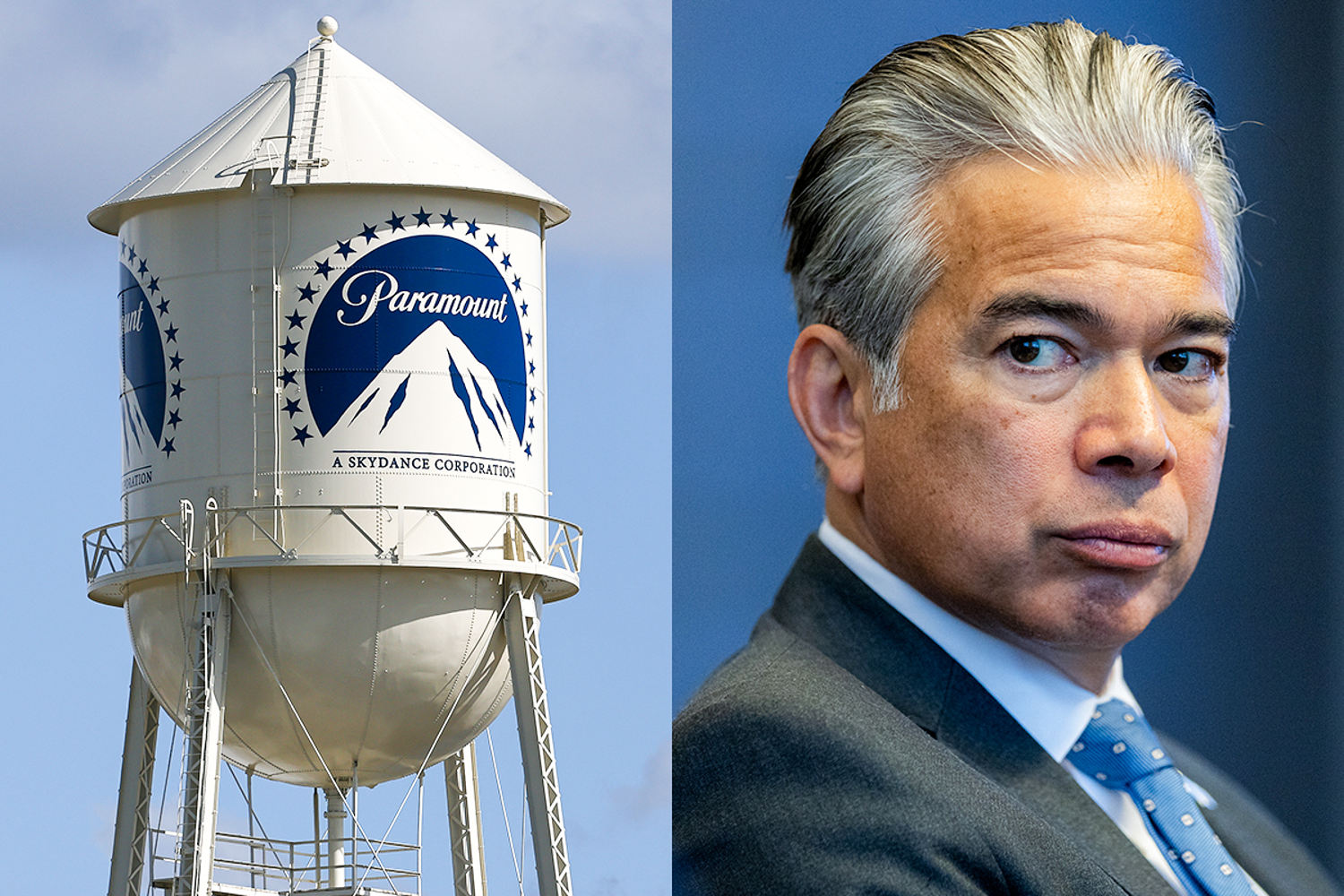
Consider what happens next when two behemoths decide to share a roof, or at least share the cost of keeping the lights on. The agreement between Paramount, the state of California, and a coalition of other states regarding the Warner Bros. Discovery merger is not a dry footnote in a financial ledger. It is a boundary stone set in a rapidly shifting landscape. It determines who gets to tell stories, how much you pay to watch them on your living room wall, and whether the screen in your pocket becomes a vast ocean of creative expression or a fenced-in corporate park.
To understand the weight of this deal, you have to look past the stock ticker. You have to look at the living room.
Picture Sarah. She is thirty-four, lives in a modest rental in Sacramento with a cat that sheds on everything, and works as a mid-level project manager. After a ten-hour day of tracking spreadsheets and managing client panic, Sarah wants one thing: an escape. She drops her keys on the counter, kicks off her sneakers, and scrolls through a grid of streaming apps.
She doesn’t know what antitrust litigation means. She doesn’t care about state attorneys general or complex corporate restructuring. She just knows that last month her favorite show vanished into thin air because a studio decided it was cheaper to delete it for a tax write-off than to pay the actors and crew residual checks. She knows that next month, the monthly subscription fee for the privilege of watching a movie on a Tuesday night is going up another three dollars.
Sarah is the invisible stakeholder in every one of these high-stakes negotiations.
When media giants merge or maneuver for market dominance, the immediate conversation always revolves around shareholder value, cost efficiencies, and subscriber retention. But the actual human cost is borne by people like Sarah, and by the thousands of writers, gaffers, set designers, and editors whose livelihoods swing like pendulums every time a studio executive catches a cold.
The settlement forged with California and its sister states is a containment strategy. It is an acknowledgment by regulators that unchecked consolidation in the entertainment sector creates an ecosystem where consumer choice becomes an illusion. You think you have fifty choices, but behind the curtains, fewer and fewer hands are pulling the strings.
Monopolies rarely look like the mustache-twirling robber barons of old timey political cartoons. Today, they wear minimalist sneakers, speak in soft-spoken jargon about operational synergies, and promise that bringing everyone under one corporate umbrella will somehow make your viewing experience better.
History tells a different story.
Think back to the golden age of television or the studio system of early Hollywood. Whenever power concentrates in too few hands, risk-taking dies. Art thrives on friction, on competition, on the desperate hunger of a studio trying to outmaneuver its rival with something weird and daring. When the field narrows to a handful of untouchable empires, safety becomes the primary directive. Sequels replace original ideas. Algorithms dictate plots. The edges get sanded down until every story feels like it was manufactured in a wind tunnel.
The California attorney general’s office stepped into this specific arena not out of artistic idealism, but out of cold economic defense. States have a vested interest in the health of their local economies. California, in particular, is built on the bones of the entertainment industry. Every time a major studio restructures, merges, or slashes budgets, thousands of crew members lose their health insurance, independent vendors go under, and the cultural heartbeat of Los Angeles stutters.
This settlement attempts to draw a line in the shifting sand. It is a leash on corporate overreach, designed to ensure that the merger doesn't swallow competition whole, leaving workers with fewer places to pitch their labor and consumers with fewer places to cast their gaze.
Yet, a legal settlement is merely a temporary ceasefire.
The underlying economic pressures that drive these mergers haven't vanished. Streaming wars are brutally expensive. Producing prestige television costs millions of dollars an episode, and the old business model of cable bundles has fractured beyond repair. Companies are desperate to achieve scale, not because they love grand spectacles, but because survival in the digital age requires a terrifying amount of capital.
So they merge. They acquire. They streamline. And every time they do, a little more of the creative ecosystem is paved over for a parking lot.
We are living through a strange cultural paradox. We have access to more content than any human being in history, yet we often feel like we are starving for something genuine. The paradox exists because abundance without competition is just a gilded cage. If five companies own every library, every camera, every server, and every screen, they get to decide not only what you watch, but what never gets made in the first place.
Imagine the script that never gets written because the executive committee decided it was too risky. Imagine the young director who can't get a meeting because every studio has consolidated its development fund into safe, bankable intellectual property. That is the true cost of consolidation. It is the loss of the accidental masterpiece, the strange, idiosyncratic story that doesn't fit the corporate algorithm.
The ink on the Paramount and Warner-adjacent negotiations is barely dry. The lawyers have packed their leather briefs. The press releases have been filed, full of reassuring language about protecting consumers and maintaining a competitive market.
Back in Sacramento, Sarah doesn't read the press release. She clicks on her screen, finds an old sitcom she has seen three times already, and lets the familiar theme song wash over the silence of her apartment.
Outside, the fog thickens over the highway. The city keeps moving, fueled by stories told, sold, and negotiated in rooms where the coffee is always cold and the stakes are higher than anyone cares to admit.