The ghost of Ali Khamenei still haunts the ruins of his Tehran compound, but the man now occupying the vacuum of the Supreme Leadership is a shadow in more ways than one.
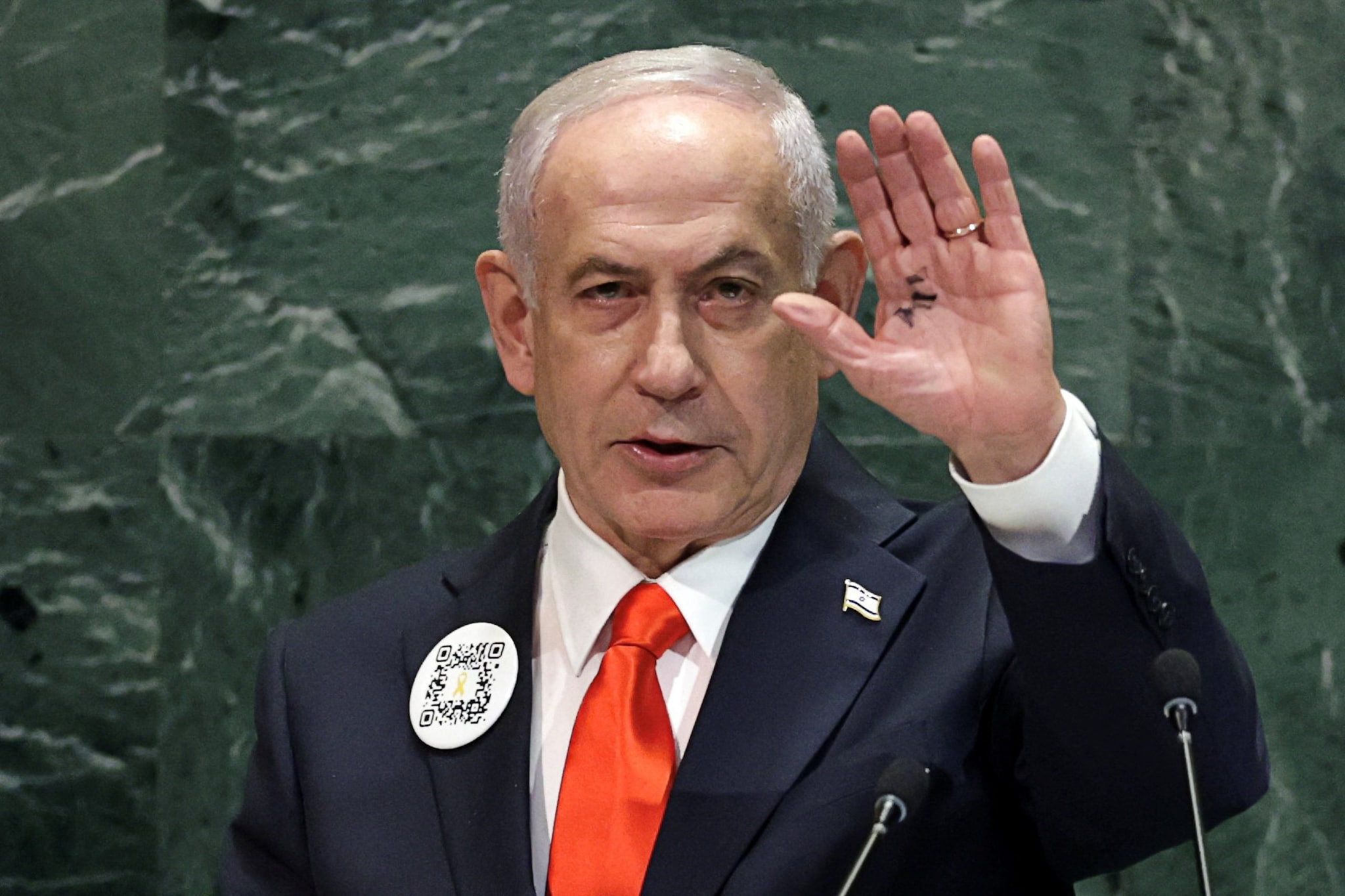
Mojtaba Khamenei, the 56-year-old son of the late Ayatollah, has not been seen in public since his appointment on Sunday. He has not spoken to the nation he now ostensibly leads. He has not released a single video message to rally the Islamic Revolutionary Guard Corps (IRGC) as they fight a multi-front air war against the United States and Israel. This silence is not a strategic choice. It is a biological necessity. For another look, check out: this related article.
Intelligence assessments from Jerusalem and Washington now converge on a singular, brutal reality. Mojtaba Khamenei was caught in the same "decapitation" strike on February 28 that claimed his father, his wife, and his sister. While the elder Khamenei was pulled from the rubble of the beyt as a corpse, Mojtaba emerged as a janbaz—a "wounded veteran." Specifically, Israeli intelligence officials believe he sustained significant injuries to his legs and lower body, rendering him immobile during the most critical week in the history of the Islamic Republic.
The Myth of the Untouchable Successor
For decades, Mojtaba Khamenei was the ultimate backroom operator. He managed his father’s office with a cold efficiency that alienated the clergy but endeared him to the IRGC. He was the architect of the crackdown on the 2009 Green Movement and the man who bridged the gap between the aging theocracy and the modern military-industrial complex. Related analysis on this matter has been published by NBC News.
But the transition from shadow power to the light of the Supreme Leadership was supposed to be a moment of televised strength. Instead, the regime is forced to rely on proxies and telegram posts. When Yousef Pezeshkian, the son of the Iranian President, took to social media on Wednesday to claim the new leader was "safe and sound," he inadvertently confirmed the panic. In the lexicon of Middle Eastern statecraft, "safe and sound" is the phrase you use right before the medical bulletins become unavoidable.
The IRGC pushed Mojtaba through a fractured Assembly of Experts not because he was the most holy, but because he was the most pliant. With the traditional clerical elite decimated by the February 28 strikes, the Guard needed a figurehead to legitimize their total takeover of the state. They found a man who is currently a captive of his own bandages.
Why the Silence Matters
In a war of high-speed munitions and psychological operations, presence is a form of defense. By failing to appear, Mojtaba allows the Israeli Defense Force (IDF) to maintain a narrative of total dominance. Defense Minister Israel Katz has already labeled Mojtaba an "unequivocal target for elimination."
The risk for the Iranian regime is twofold. First, the longer the "Leader" remains invisible, the more the internal resistance—encouraged by President Trump’s calls for regime change—believes the head of the snake has already been severed. Second, the IRGC’s "ruling triumvirate" currently managing day-to-day combat operations is beginning to face friction from provincial commanders who are receiving conflicting orders.
The technical nature of the injury matters. Reports from the New York Times, citing sources with knowledge of the site, suggest the use of deep-penetration munitions that caused structural collapses in the lower levels of the Khamenei compound. If Mojtaba is indeed suffering from crush syndrome or severe shrapnel wounds to his legs, his ability to move between the secure bunkers required to evade ongoing "Operation Epic Fury" is severely compromised.
The Logistics of a Wounded War Cabinet
War is a physical business. The Supreme Leader is not just a religious figure; he is the Commander-in-Chief of the Armed Forces. Under the Iranian constitution, he has the final word on all matters of war and peace.
Consider the current operational environment.
- The Strait of Hormuz: Iran has attempted to choke the world's oil supply, but maintaining that blockade requires constant tactical adjustments as the U.S. Navy’s Fifth Fleet pushes back.
- Proxy Coordination: Hezbollah is currently being hammered in southern Lebanon. They are looking to Tehran for more than just money; they need a strategic directive that only the Supreme Leader can provide.
- Domestic Order: With 75% of Iran's ballistic missile launchers reportedly neutralized, the IRGC is pivoting toward domestic survival.
If Mojtaba cannot sit for a photograph or stand for a 60-second clip on IRIB (Islamic Republic of Iran Broadcasting), it suggests his medical condition is fragile enough that the optics of his survival would actually be more damaging than the mystery of his absence. A leader in a wheelchair or on a ventilator does not project the "martyr-king" energy required to hold a collapsing theocracy together.
The Intelligence Trap
Israel’s "lightly wounded" assessment may be more than just a report; it is a lure. By leaking that they believe he is alive but hurt, Israeli intelligence is forcing the Iranian security apparatus to move him, communicate about him, or prove them wrong.
Every time a courier moves toward a secret clinic in North Tehran, or a specialized medical team is summoned from the Baqiyatallah Hospital, it creates a digital and physical footprint. In the 2026 conflict, the distinction between HUMINT (human intelligence) and TECHINT (technical intelligence) has vanished. The Mossad isn't just listening to phone calls; they are hacking the CCTV networks of the very hospitals where the elite are treated.
The regime's decision to label Mojtaba a janbaz of the "Ramadan War" on state television was a desperate attempt to frame his injuries as a badge of honor. It is a term usually reserved for the heroes of the Iran-Iraq war—men who sacrificed their limbs for the revolution. But in 1980, the enemy was across a trench. In 2026, the enemy is a precision-guided thermobaric bomb that knows exactly which room you are sleeping in.
The Islamic Republic is currently being governed by a ghost and defended by a praetorian guard that has lost its North Star. If Mojtaba Khamenei does not emerge from the shadows within the next 48 hours, the question will no longer be whether he is wounded, but whether the office of the Supreme Leader survived the first day of the war at all.
Watch the medical flights leaving Mehrabad Airport. That is where the real story of the succession is being written.