Wait.
Listen to the hum of a refrigerator at three in the morning when the grid is intact, and then imagine the sudden, heavy silence when the transformer down the road blows up, leaving you staring at the ceiling while the milk slowly warms in the dark.
Now, multiply that silence by four hundred miles of mud, trenches, and shattered concrete.
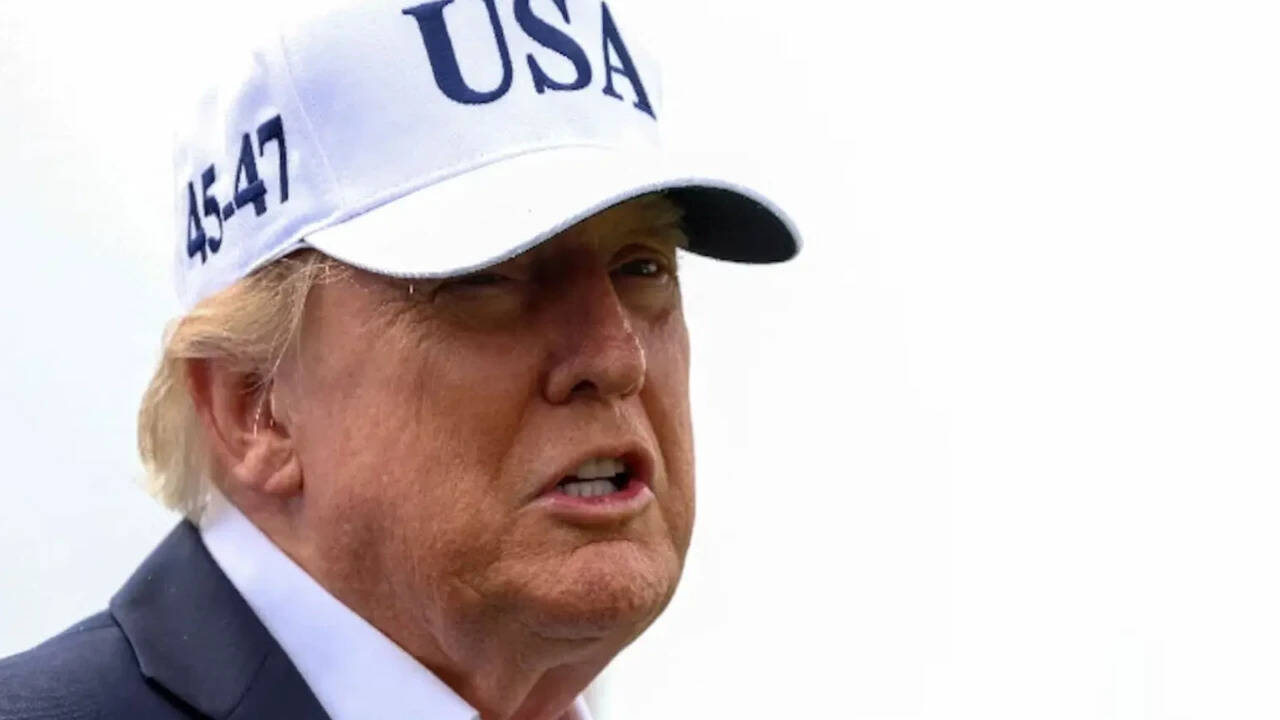
In the quiet offices of Washington and the scarred command bunkers of Kyiv, a fierce, high-stakes argument is unfolding over a substance most people never think about unless they are standing at a gas station pump on a rainy Tuesday. Diesel. Thick, pungent, yellow-tinted fuel that smells like greasy rags and makes the modern world turn. When Donald Trump’s diplomatic orbit—and, to be entirely honest, several quiet voices in previous administrations too—sends a message to Ukraine telling them to stop striking Russian diesel infrastructure, the headlines treat it like a dry chess move. A tactical pause. A diplomatic footnote.
They miss the blood. They miss the grocery receipts. They miss the sheer, suffocating terror of a global market catching fire.
Let’s step back from the maps and the press briefings for a second. To understand why a drone hitting a refinery pipe two thousand miles away from Ohio suddenly matters to a schoolteacher in Columbus, we have to look at what happens when an asymmetric war collides with a globalized economy.
The Architecture of a Chokehold
Ukraine has been fighting a giant with one hand tied behind its back for years. Outmanned in the trenches and often outgunned in the artillery duels, Ukrainian engineers did what cornered, brilliant people always do. They looked for the giant's ankles. They built cheap, long-range drones out of carbon fiber, lawnmower engines, and commercial GPS chips, and they flew them deep into Russian territory.
Their targets were not random. They aimed straight for the gleaming, labyrinthine towers of Russian oil refineries—places where thick, sluggish crude oil is cracked, distilled, and transformed into the lifeblood of war.
Think of a modern army not as a collection of brave men with rifles, but as a massive, starving stomach that only digests diesel. Without diesel, tanks become forty-ton steel coffins sitting uselessly in a field. Supply trucks stop bringing ammunition, band-aids, and bread to the front lines. Generators powering field hospitals sputter out, leaving surgeons operating by the light of dying cell phone batteries. By hitting Russia’s refining capacity, Ukraine found a way to starve the beast before it ever reached the border.
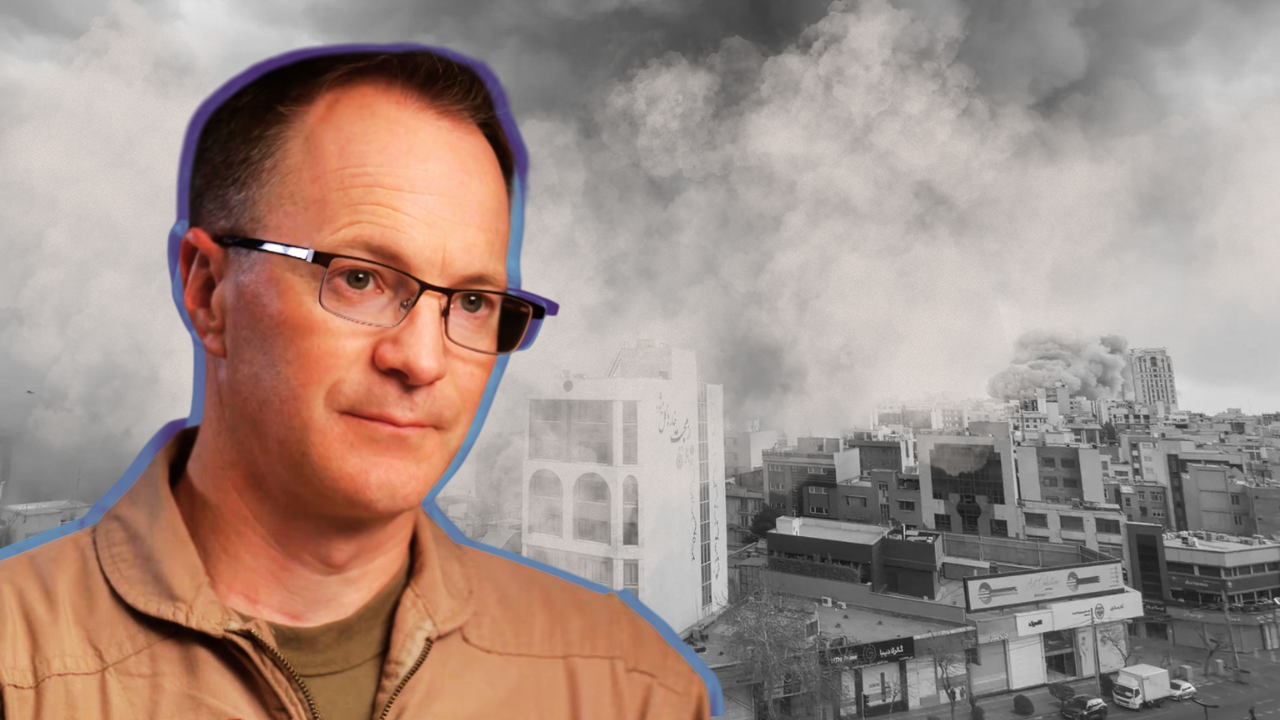
It worked. Smoke billowed over Ryazan, Samara, and Nizhny Novgorod. Fireballs lit up the night sky, visible from satellites orbiting hundreds of miles above the earth. For the first time since the invasion began, ordinary Russians miles away from the front lines smelled the acrid, oily smoke of the war their government had started.
So why on earth would Donald Trump—or anyone claiming to want peace or pressure on Moscow—tell Kyiv to stop?
Meet the Man at the Pump
To answer that, let’s introduce a hypothetical character—let’s call him Miller. Miller is fifty-four, drives a battered pickup truck in rural Pennsylvania, and hauls construction supplies for a living. Miller does not read foreign policy journals. He cannot point to the Donbas on a map without squinting, and he has never heard of a catalytic cracker in a Russian refinery.
What Miller knows is the price board outside the Sunoco station on Route 22.
Here is the brutal, unforgiving truth about global energy markets: oil does not care about flags. A barrel of diesel refined in Russia and sold onto the gray market in Asia frees up a barrel of diesel in the Middle East, which in turn prevents a bidding war for a barrel refined in Texas. The world’s fuel supply is not a series of separate buckets; it is one giant, sloshing bathtub. When you drop a brick into one end of the tub, the water spills over the edge six feet away.
When Ukrainian drones knock out ten or fifteen percent of Russia’s refining capacity, Russia doesn't just shrug and pull its troops out of Ukraine. First, Moscow hoards whatever fuel it has left for its military. Second, it slaps bans on diesel exports to keep domestic prices from sparking riots at home. Third, the global market panics. Traders sitting in front of glowing monitors in London, Singapore, and New York see supply tightening, and they hit the buy button.
Within seventy-two hours, Miller pulls up to the pump in Pennsylvania, clicks the nozzle into his tank, and watches the numbers spin twenty cents faster than they did last week.
A few weeks later, the grocery store raises the price of eggs and bread because the semi-trucks hauling them run on—you guessed it—diesel. Farmers pay more to run their tractors. Construction costs climb. Inflation, the silent thief that rots paychecks from the inside out, wakes back up.
This is the invisible tether connecting a burning storage tank in western Russia to the kitchen table of an American voter. And in American politics, especially for a leader like Trump whose entire political brand rests on economic populism, cheap energy, and the promise to lower costs for working families, rising fuel prices are pure poison.
The Illusion of Control
It feels deeply unfair, doesn't it?
If you are sitting in a cold apartment in Kharkiv, listening to the shrill, terrifying whistle of an incoming glide bomb while Russian missiles systematically pulverize your city's power plants, being told by a wealthy superpower to "spare the enemy's diesel" sounds like a cruel joke. It feels like being told you are allowed to block punches, maybe even jab back lightly, but you are forbidden from hitting the guy where it actually hurts because his wallet is tied to the referee's stock portfolio.
I remember standing near a bombed-out electrical substation in Eastern Europe a couple of winters ago. The air smelled of ozone, wet ash, and burnt copper. An old woman in a thick wool coat was walking past the twisted steel, carrying two plastic jugs of water because the municipal pumps had no electricity to push water up to her fifth-floor flat. She didn't curse the generals. She just looked tired, her breath puffing white in the freezing air, entirely defeated by the sheer arithmetic of cold.
When you experience that kind of deliberate, state-sponsored freezing of civilians, the Western obsession with "market stability" feels grotesque. You want to scream at the television screens. You want to ask how the price of freight shipping in the Atlantic could possibly weigh more on the moral scale than the survival of a sovereign nation fighting for its life.
Yet, if we pretend that geopolitics is run on pure morality, we blind ourselves to how decisions actually get made.
The Trap of Escalation
There is another layer to this, one that keeps military planners awake at night even when they aren't looking at oil futures.
Consider what happens next when a nuclear-armed state watches its vital economic arteries get severed one by one. Russia’s economy is essentially a gas station with an army attached to it. Oil and refined petroleum products are the primary cash registers funding the Kremlin’s war machine, paying the massive signing bonuses for new recruits, and keeping the oligarchs quiet.
When Ukraine hits crude oil export terminals, Russia can often reroute the raw crude onto shadow-fleet tankers bound for buyers willing to ignore Western sanctions. Crude is messy, raw, and relatively easy to ship. Refined diesel is different. Refineries are hyper-complex, fragile ecosystems of specialized steel, high-pressure vessels, and Western-made replacement parts that Russia can barely source anymore due to sanctions. When a Ukrainian drone pierces a distillation tower, that tower doesn't come back online in a week. Sometimes it stays dead for months.
Push a cornered regime into a corner where its domestic fuel supply collapses, and it starts looking for asymmetric retaliation of its own.
What does Russian retaliation look like? It looks like sudden, mysterious "accidents" happening to undersea fiber-optic cables in the North Sea. It looks like sabotage at European liquefied natural gas terminals. It looks like Moscow handing advanced anti-ship missiles to militant groups in the Middle East so they can sink commercial tankers in the Red Sea, choking off global trade and sending energy prices into the stratosphere anyway.
Trump’s calculation—and the calculation of the advisors whispering in his ear—is transactional to its core. He views the war not as an existential crusade between democracy and autocracy, but as a catastrophic, expensive mess that threatens global economic stability and risks dragging the United States into a direct confrontation. To him, telling Ukraine to halt strikes on Russian diesel isn't about protecting Vladimir Putin; it is about protecting the American consumer and preserving leverage for a negotiated settlement.
If you want to bring two exhausted fighters to a negotiating table, you don't let one of them burn down the building while you're trying to lock the doors. Or at least, that is the theory.
The Flaw in the Bargain
But theories built in comfortable boardrooms have a nasty habit of falling apart in the mud.
Look closely at the flaw in Washington’s logic. If you tell Ukraine to stop hitting Russian refineries, what exactly does Ukraine get in return? Does Russia agree to stop bombing Ukrainian power plants, hospitals, and grain silos? Does Moscow pull back its artillery?
History gives us a blunt, uncomfortable answer. Whenever Kyiv has been asked to exercise restraint—whether by delaying strikes inside Russian territory, waiting months for permission to use long-range missiles, or sparing energy infrastructure—Moscow has treated that restraint not as a gesture of goodwill, but as a free shield. Russia simply uses the breathing room to rebuild its stockpiles, repair its damaged facilities, and launch even heavier barrages against Ukrainian cities.
Think of it like a boxing match where one fighter is told he isn't allowed to throw body shots because the sweat might splash onto the ringside VIPs, while his opponent is allowed to use brass knuckles. You can tell the first fighter that this rule is "for the good of the arena," and you might even be right about the VIPs' dry-cleaning bills. That doesn't change the fact that he is going to get knocked out.
Moreover, the market argument itself is more fragile than politicians like to admit. Global oil prices are driven by dozens of chaotic variables—OPEC production cuts, Chinese industrial demand, hurricanes in the Gulf Coast, shipping insurance rates. Blaming every tick upward at the gas pump on Ukrainian drones is convenient political theater, an easy scapegoat for leaders who don't want to admit how little control they actually have over global commodities.
The Choice Between Two Fires
So here we stand, caught in the grinding gears of a dilemma with no clean exit.
On one side sits Kyiv, holding a remarkably effective weapon it built with its own hands, watching the smoke rise from the very refineries that fuel the tanks rolling toward its cities. To give up that weapon without an ironclad guarantee of peace is to surrender one of the few real points of leverage Ukraine possesses. It means accepting more dead soldiers in the trenches so that fuel prices in the West remain comfortably predictable.
On the other side sits Washington, staring at a fractured domestic economy, weary voters, and a world teetering on the edge of wider conflict. From the Oval Office, the duty is not to save Kyiv at any cost, but to shield the American public from economic shockwaves and keep a regional war from spiraling into a global depression or a nuclear standoff.
Neither side is lying about what it sees. Both are looking at the exact same burning refinery, and one sees salvation while the other sees ruin.
Perhaps that is the real tragedy of modern warfare. We like to imagine that conflicts are decided by courage, strategy, and righteous ideals. We want clean heroes and obvious villains. Instead, the fate of millions of people often comes down to the cold, invisible math of supply chains, election calendars, and the price of a gallon of diesel on a rainy highway thousands of miles away.
Somewhere tonight, in a darkened workshop in eastern Ukraine, a young engineer is soldering wires onto the circuit board of a long-range drone, preparing it for a flight into the dark. And somewhere in Washington, a diplomat is drafting a quiet, urgent cable telling him not to launch it.
The fuel sits waiting in the tanks. The world holds its breath.