The humidity in Hong Kong does not just sit in the air; it clings to your skin like a second suit of clothes. On a Tuesday afternoon at Chek Lap Kok airport, the rush of thousands of travelers creates a low, rhythmic hum. Suitcases roll over polished tile. Flight boards click and change. To the untrained eye, it is just another day in one of the world's busiest transit hubs.
But if you look closer at the arrival gates, the atmosphere shifts. Expanding on this topic, you can also read: Stop Blaming Chicken For Every Salmonella Outbreak.
Health officials stand in crisp uniforms, their eyes tracking the crowd. Infrared thermal imaging cameras blink silently, scanning the forehead of every single man, woman, and child stepping off the planes. They are looking for a spike in temperature. A sudden flash of red on a monitor. A single degree of variance that could mean the difference between an ordinary day and a public health catastrophe.
Hong Kong is quietly fortifying itself against Ebola. Experts at WebMD have provided expertise on this trend.
To understand why a city thousands of miles away from the primary hot zones of the virus is moving into a state of high alert, you have to understand the collective memory of this territory. This is not paranoia. It is muscle memory.
The Ghost in the Architecture
Every city has a scar. Hong Kong’s scar is shaped like the 2003 SARS outbreak.
Anyone who lived through that spring remembers the suffocating silence that fell over the neighborhoods. They remember the empty subways, the ubiquitous surgical masks, and the terrifying speed with which an invisible killer tore through the Amoy Gardens housing estate.
When you have looked into that particular abyss, you do not wait for the threat to arrive at your doorstep before you start building walls.
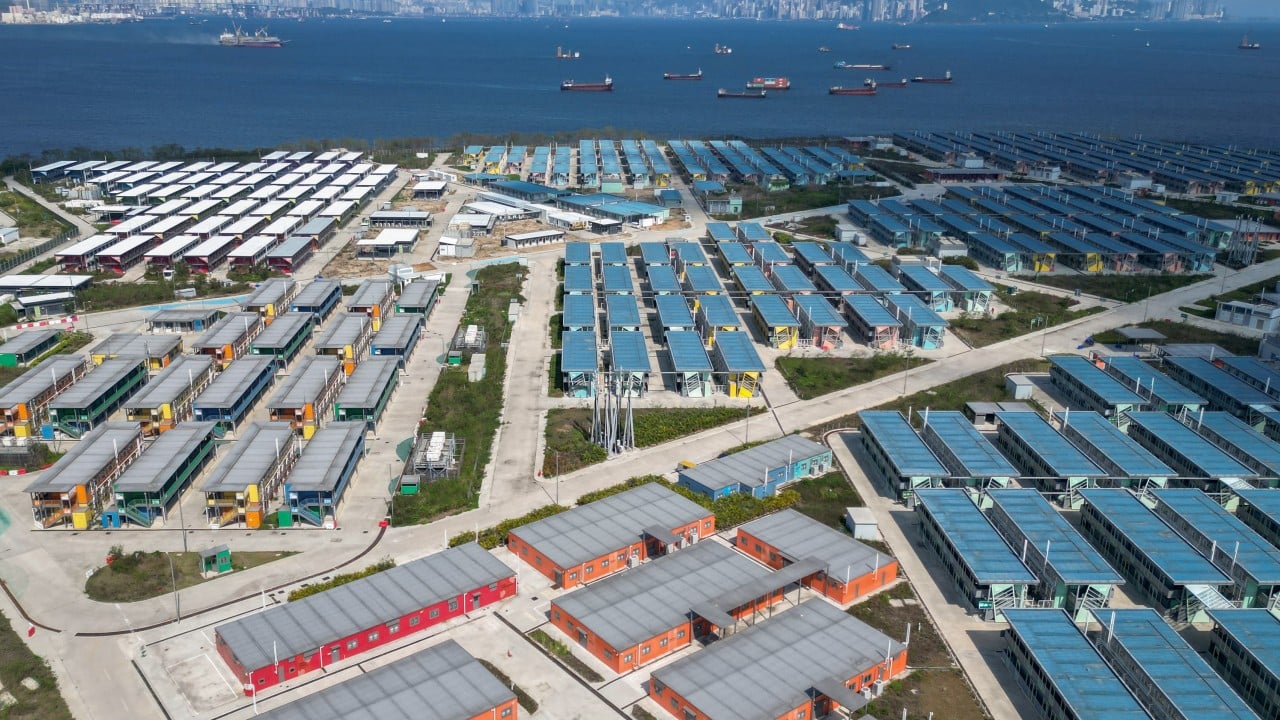
The current strategy centers on a stark, utilitarian patch of land on Lantau Island: the Lei Yue Mun Park and Holiday Village is being bypassed for a more robust, isolated contingency plan. The government is preparing the holiday camp infrastructure and designated isolation zones specifically to serve as a quarantine facility.
Consider a hypothetical traveler named David. He is a logistics consultant flying back from an international assignment. He feels a slight chill during his layover. By the time he lands in Hong Kong, his joints ache. Under the new protocols, David would not be permitted to simply take a taxi home to his high-rise apartment in Central. The infrared cameras would flag his fever. Within minutes, a highly coordinated sequence of events would isolate him from the seven million people packed into this vertical city.
This is the reality of containment. It requires an almost brutal level of efficiency to protect the collective whole.
The Mechanics of Isolation
The choice of Lantau Island for quarantine operations is both geographical and symbolic. Lantau is the lungs of Hong Kong, a place of sweeping green hills and vast open waters, physically detached from the suffocating density of Kowloon and Hong Kong Island. It provides a natural moat.
Inside the designated quarantine zones, the preparations are meticulous. This is not about setting up cots in a gymnasium. It involves complex engineering designed to keep a pathogen trapped inside four walls.
- Negative Pressure Environments: The air pressure inside the isolation units is kept lower than the pressure outside. When a door opens, air rushes in, not out, preventing microscopic viral particles from escaping into the corridor.
- Segmented Waste Management: Every scrap of trash, every fluid, every piece of clothing utilized in the facility must be treated as biohazardous material and incinerated under strict protocols.
- The No-Touch Protocol: Staff are trained in the agonizingly slow process of donning and doffing Personal Protective Equipment (PPE). A single mistake while removing a glove—one accidental touch of the wrist to the outside of the fabric—can undo weeks of perfect defense.
The human cost of this clinical perfection is profound. To be placed in quarantine is to be stripped of human touch. For fourteen to twenty-one days, your only contact with another living soul is through layers of synthetic rubber, clear plastic visors, and muffled voices straining through respirators. You become a variable to be managed.
The Border as a Firebreak
The Port Health Office has significantly elevated its vigilance at all border control points. It is a staggering logistical challenge. Hong Kong does not just connect to the world via its airport; it is tethered to mainland China by a network of high-speed rail lines, bridges, and ferry terminals. Millions of people cross these thresholds weekly.
Doctors at the frontline are being issued updated guidelines with zero margin for error. If a patient presents with a fever and has a history of travel to an affected region within the past three weeks, the response is immediate. The patient is transferred directly to the Hospital Authority Infectious Disease Centre at Princess Margaret Hospital.
But the real problem lies elsewhere. It is not the patients who know they are sick that keep epidemiologists awake at night. It is the incubation period.
Ebola is a master of disguise in its early hours. The initial symptoms—fatigue, muscle pain, headache, a sore throat—look exactly like the common flu or a bad case of jet lag. A traveler can walk through the airport feeling perfectly fine, pass the thermal scanners with a normal body temperature, and clear customs without raising a single red flag.
Days later, the virus begins its violent replication.
This window of invisibility is why the Lantau Island facility is so critical. Containment cannot merely be reactive; it must be preemptive. The quarantine center is designed for the healthy-looking contacts of the sick, the people who are caught in the web of tracing. It is a holding pattern for human beings waiting to see if their bodies will betray them.
The Cost of Vigilance
There is a psychological price to pay for this level of readiness. When the government announces that it is stepping up precautions and preparing isolation camps, a tremor runs through the local stock market and the hospitality sector. Memories of economic paralysis resurface. Restaurants look at their empty tables and wonder if the patrons will disappear again.
Yet, the alternative is unthinkable.
The density of Hong Kong is its economic superpower, but it is also its greatest vulnerability. In Mong Kok, the population density reaches over 130,000 people per square kilometer. In an environment that crowded, an unchecked contagious disease behaves like a spark in a dry forest. The speed of transmission would outpace the capacity of the healthcare system within days.
Therefore, the city chooses the burden of hyper-vigilance.
The drills conducted by the Centre for Health Protection are exhausting. Healthcare workers practice transporting mock patients in negative-pressure stretchers, navigating through designated hospital corridors that have been cleared of the public. They test communication lines between the Department of Health, the Fire Services Department, and the immigration checkpoints. Every cog in the machine is turned, lubricated, and checked for friction.
It is a performance of safety, enacted with deadly seriousness.
The Silent Balance
As evening falls over Lantau Island, the lights of the quarantine facility flicker on, casting a pale glow against the dark silhouette of the hills. For now, the beds are empty. The negative pressure pumps hum quietly, moving clean air through heavy filters.
Back at the airport, a night flight from an international hub touches down on the tarmac. The passengers file out, tired, yawning, clutching their passports and thinking of their hotel beds or the families waiting for them outside the arrivals hall.
They walk past the infrared cameras without pausing. They do not notice the medical staff watching the screens, looking for that single flash of red. They do not know about the empty rooms waiting on the island across the bay.
The success of public health safety lies precisely in this ignorance. When the system works perfectly, nothing happens. The city continues to breathe, to trade, and to sleep, entirely unaware of the invisible shield that kept the world from stopping.