Scratch.
That is the first sound I remember from winter mornings for nearly a decade. Not an alarm clock, not a bird outside the window, just the quiet, desperate drag of fingernails against dry skin and the soft, wet rasp of a throat that felt like it had been sanded overnight. By seven in the morning, my eyes were already swollen at the corners, my nose was either locked up like a rusted hinge or dripping without permission, and my chest carried a dull, heavy ache that made coffee taste like ash.
For years, I blamed everything except the room I slept in for eight hours a night. I blamed the change of seasons, the neighbor’s cat, the laundry detergent, the vague stress of adulthood. I bought nasal sprays that stopped working after three days, swallowed antihistamines that turned my brain into warm oatmeal, and wiped down baseboards with lemon-scented wipes that only made my sinuses burn.
I never thought about water. Specifically, I never thought about how little of it was floating in the air around my face.
When most people hear that dry air can worsen allergy symptoms, they picture a tidy medical tip on a doctor’s wall: keep indoor humidity between 30 and 50 percent, run a humidifier in dry months, clean it regularly so it doesn't blow mold into your lungs. That advice is true. It is also remarkably easy to scroll past when you are rubbing your itchy eyes at 6:30 a.m. and wondering why you feel like you are losing a quiet war inside your own home.
Let’s be honest about how confusing indoor air can be. You walk into a room and it looks clean. The sheets are fresh. The window is shut against the cold or the heat. Nothing looks dusty enough to trigger a sneezing fit, yet your body reacts as if it has been locked inside a shed full of ragweed and fur. It is frustrating, disorienting, and—when it drags on week after week—exhausting in a way people rarely talk about. You start doubting your own body, or you resign yourself to feeling slightly miserable for months at a time.
To understand why a simple humidifier can change the equation—and why, used carelessly, it can make things worse—it helps to step inside a house where nothing is technically broken, yet everything feels slightly off.
(Note: The following is a hypothetical scenario created to illustrate how indoor humidity interacts with common allergy triggers and airway irritation.)
When Clean Air Still Hurts to Breathe
Picture Maya, a graphic designer living in a fourth-floor apartment where the radiator hisses like an angry kettle from November to March. Maya has had mild seasonal allergies since high school—nothing dramatic, just a predictable spring sniffle and an occasional itchy palate around certain raw fruits.
In mid-December, her symptoms return with a vengeance. Her nose is chronically stuffy. She wakes up with a dry, scratchy throat and a headache behind her eyebrows. When she blows her nose, there is barely any relief, just tenderness and a faint streak of irritation. Assuming her allergies have suddenly flared, she doubles down on allergy pills. They dry out her mouth and leave her groggy, yet the morning congestion refuses to budge.
What is happening inside Maya’s apartment?
Winter heating—and, in other climates, aggressive air conditioning—strips moisture out of indoor air. Cold outdoor air naturally holds less water vapor than warm air, and once that air is drawn indoors and heated up, its relative humidity often plummets well below 30 percent. Meanwhile, sealed windows keep that dry air circulating in a closed loop.
Here is the part that trips so many of us up: dry air doesn't just make your skin feel tight. It directly irritates the delicate mucous membranes lining your nose, sinuses, and throat.
Think of your nasal passages as a living flypaper lined with a moist, protective blanket of mucus and microscopic hair-like structures called cilia. That blanket has two jobs. First, it traps incoming irritants—pollen, pet dander, dust particles, smoke—before they travel deeper into your airways. Second, the cilia sweep that mucus along so your body can clear out the trapped debris.
When the air is bone-dry, that protective layer thickens, dries out, and becomes sluggish. Instead of gliding smoothly, the mucus turns sticky or crusted. The cilia slow down. Suddenly, irritants linger longer on raw, inflamed tissue. Even if the concentration of allergens in the room hasn't spiked, your irritated nasal lining is far more reactive. A mild trigger feels like a major assault.
Dry air can also worsen postnasal drip and throat irritation, especially at night when you lie flat and breathe partly through your mouth because your nose feels blocked. You wake up feeling as though you spent the night inhaling chalk.
Maya looks around her living room and sees a cozy space with a fabric sofa, a rug, and a bookshelf. She wonders if she needs a stronger antihistamine. What she hasn't measured—or felt—is the quiet parchedness of the room itself.
The Delicate Balance Between Relief and Trouble
Suppose Maya buys a humidifier tomorrow morning, plugs it in beside her bed, and cranks it all the way up until a thick mist rolls across the nightstand.
Relief.
For the first two nights, her throat doesn't feel like sandpaper. The tight, parched feeling in her nostrils eases. She breathes a little deeper before falling asleep. A humidifier adds moisture back into dry indoor air, helping soothe irritated nasal passages and airways so they don't feel constantly raw. When dry air is aggravating your sinuses or making mild allergy symptoms feel sharper and more uncomfortable, restoring comfortable humidity—generally aimed around 30 to 50 percent—can make a noticeable difference in how your airways feel.
Yet this is where the story takes a sharp turn, and where a lot of well-meaning people run into trouble.
A humidifier is not a magic wand that erases allergens from a room. If your primary trigger is heavy pet dander, mold spores, or dust mites, simply adding water vapor to the air will not remove those particles. In fact, pushing humidity too high—above 50 percent—creates a welcoming resort for two of the most notorious indoor allergy culprits: dust mites and mold.
Dust mites thrive in humid environments because they don't drink water the way we do; they absorb moisture directly from the air through their bodies. Damp air helps them survive and multiply in mattresses, pillows, and upholstered furniture. Mold spores, meanwhile, love damp corners, window condensation, and stagnant moisture.
There is another trap waiting in the tank.
If you fill a humidifier with water and leave it sitting day after day without emptying and cleaning it, minerals, slime, and microorganisms can build up inside. Turn the machine back on, and it can mist those unwanted particles straight into the air you breathe. For someone already dealing with sensitive airways or allergies, breathing in dirty mist from a neglected tank is the last thing you want.
(Here, a brief metaphor helps clarify the stakes: indoor humidity is less like a volume knob you turn all the way up and more like tuning a violin string. Too loose, and the note goes flat and dull—your airways dry out and ache. Too tight, and the string snaps—pushing moisture too high invites mold and dust mites that make allergies worse.)
I learned this lesson the hard way during my second winter experimenting with a humidifier. Eager to banish my morning dry throat, I ran the unit until the bedroom window fogged up heavily and the curtains felt slightly damp near the sill. Within a couple of weeks, my congestion came back—not from dryness this time, but from an over-humid room that felt heavy and stale. I had overcorrected.
Knowing that nuance changes how you approach the machine. You stop treating it as a cure-all and start treating it as an instrument of balance.
Reading the Room Before You Buy Anything
If you are waking up stuffy, sneezy, or scratchy-throated and wondering whether a humidifier belongs in your routine, start by observing the clues in your own space rather than guessing.
First, pay attention to when and where your symptoms spike. Do you feel worse in a heated bedroom overnight or in a climate-controlled office during the day, only to feel slightly better after a warm shower or stepping outside when the air isn't bone-dry? That pattern points toward dry air playing a supporting—or starring—role in your discomfort. On the other hand, if your eyes water and you sneeze uncontrollably the moment you walk past a shedding dog or open a damp basement door, allergens themselves are driving the reaction, and moisture alone won't solve it.
Second, consider getting a simple, inexpensive hygrometer—a small digital or analog gauge that measures indoor relative humidity. Guessing humidity by feel is notoriously unreliable. A room can feel chilly without being dry, or warm and stuffy while still lacking moisture. Watching the number sit at 22 percent tells you something concrete that your instincts might miss.
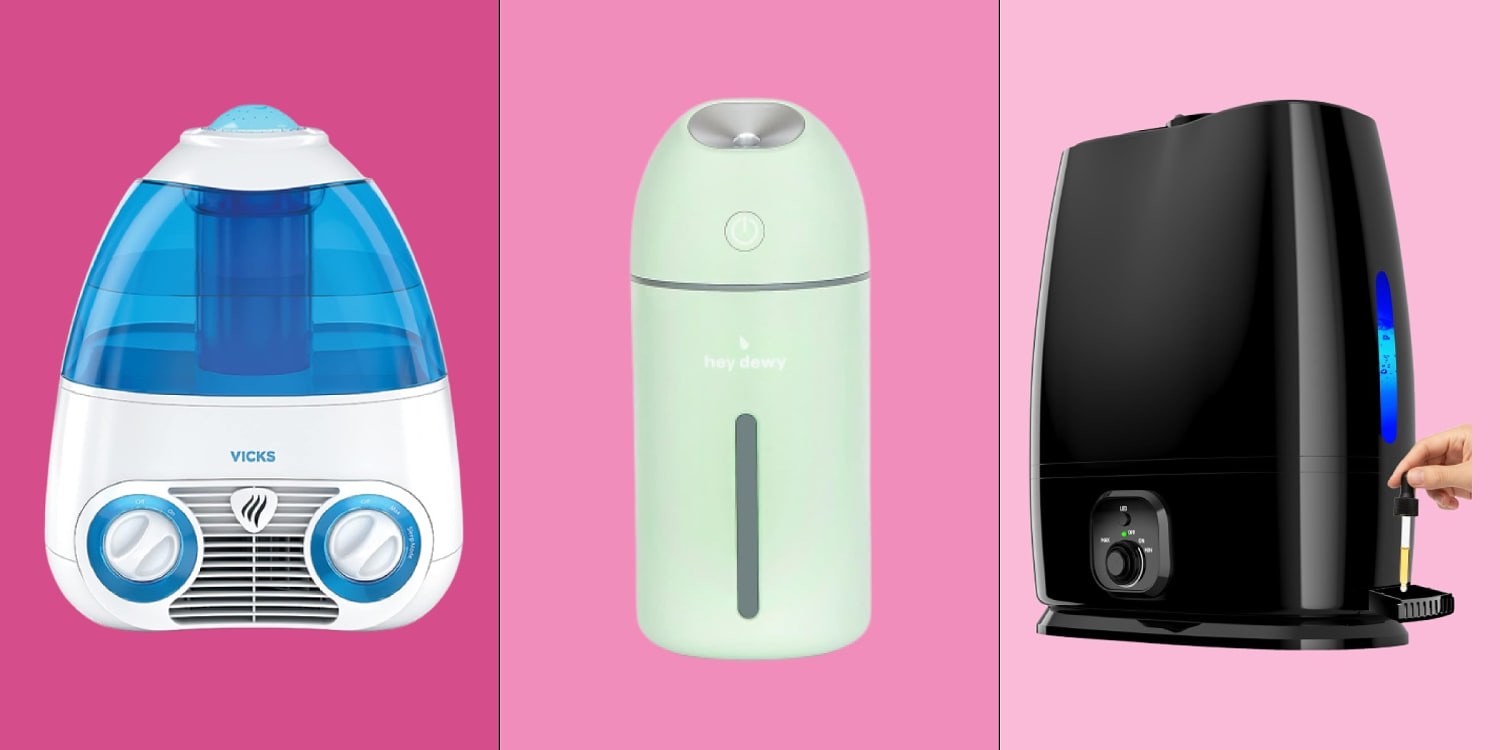
Third, think about the type of humidifier and how much maintenance you are realistically willing to do. Cool-mist humidifiers are popular because they don't pose a burn hazard—especially important around kids or pets—while warm-mist models boil water first, though heating elements still require regular descaling and cleaning. Ultrasonic models run quietly, which makes them appealing for bedrooms, though using distilled or demineralized water can help cut down on white mineral dust settling on furniture.
Whatever style you choose, habits matter more than bells and whistles. Empty the tank daily when in use, rinse and dry it rather than letting stagnant water sit, and follow the manufacturer's cleaning schedule—often involving mild vinegar or recommended solutions—so you aren't aerosolizing buildup into your breathing zone.
Let's return to Maya for a moment. She picks up a small hygrometer and discovers her bedroom sits at 24 percent humidity in January. She buys a straightforward humidifier, places it where it isn't soaking her bedding or walls, checks the gauge so the room stays comfortably in that moderate 30 to 50 percent range rather than turning into a sauna, and cleans the tank regularly. She also keeps up with washing her bedding in hot water and managing dust in the room, recognizing that humidity control works alongside—not instead of—basic allergen reduction.
Her allergies don't vanish overnight like a movie plot twist. Ragweed season will still exist next fall. A dusty closet will still need cleaning.
Still.
The mornings begin to feel different. Less like waking up inside a dry sock, and more like waking up in a room that actually supports the act of breathing.
The Quiet Difference in the Air
We spend a staggering portion of our lives indoors, breathing thousands of liters of air every single day without giving a second thought to what that air carries or lacks. When allergies act up, it is easy to focus on the dramatic moments—a sudden sneeze, a swollen eyelid, a tissue box emptied by noon—and overlook the quiet environmental conditions shaping how raw and reactive our airways are to begin with.
Dry indoor air won't cause every allergy flare-up, and too much humidity brings its own set of headaches. Yet getting the balance right turns down the background friction of daily life. It protects delicate tissue, calms that harsh, parched edge in your nose and throat, and gives your body a fighting chance to rest while you sleep.
Tonight, before you turn off the lights, pause for three seconds and notice the air against your skin and inside your nose—whether it feels cool and balanced, heavy and damp, or quietly, stubbornly dry.