Air raid sirens wailed across Kuwait as the regional fallout from American airstrikes materialized into direct missile and drone retaliations from Tehran. If you are wondering why energy markets are panicking and shipping costs are skyrocketing, look no further than the Persian Gulf. The tit-for-tat violence between Washington and Iran has broken past containment lines, drawing neighboring Gulf states directly into the crossfire.
The Trigger Behind the Kuwait Strikes
Why is Kuwait suddenly taking incoming fire? It comes down to a direct retaliation chain. Following U.S. aerial bombardments targeting Iranian rocket launchers and military infrastructure near the Strait of Hormuz, Tehran responded by launching projectile attacks against American allies in the region. Kuwait's Ministry of Defense confirmed that local air defense batteries actively intercepted incoming drones and missiles.
This isn't happening in a vacuum. Bahrain and Jordan also faced similar air attacks as the scope of the confrontation widened. Washington insists these operations aim to protect commercial shipping lanes, but the cost on the ground is mounting.
The Human Toll and the Strait Chokehold
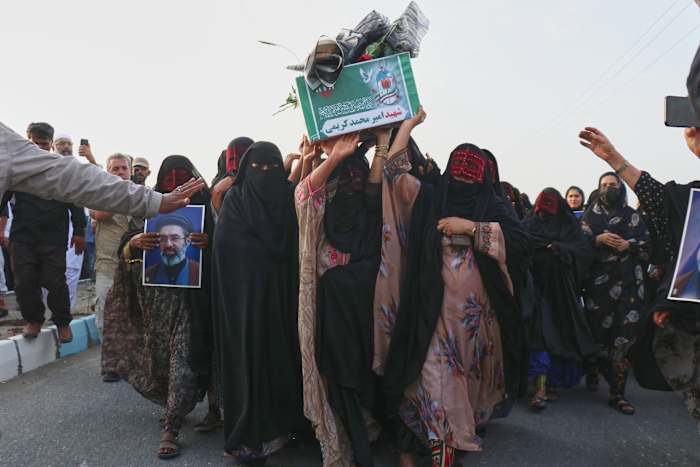
Behind the geopolitical grandstanding lie grim realities. U.S. Central Command maintains that its strikes strictly target military assets. Yet, independent reports and Iranian state media highlighted a devastating strike that hit a wedding celebration in the coastal town of Kuhestak, killing several civilians, including children.
Meanwhile, commercial traffic through the Strait of Hormuz remains severely restricted. Pre-war transit numbers routinely exceeded 130 vessels daily. Today, traffic limps along well below that benchmark because tanker operators face immense risks if they bypass Iranian vetting demands. Even with U.S. naval forces guiding a handful of ships through southern routes near Oman, the global supply chain is bleeding. Two Filipino sailors lost their lives earlier in the week when a crude oil tanker caught fire in the strait, proving that ordinary mariners pay the highest price for this standoff.
Economic Pressures and Washington's Stance
The White House continues to downplay the severity of the engagement. Vice President JD Vance recently rejected labeling the ongoing hostilities as an actual "war", telling reporters that active shooting exchanges depend entirely on Iranian choices.
At the same time, the U.S. Treasury Department is tightening the financial screws. Officials are aggressively pressuring international entities to sever remaining business ties with Iran, attempting to choke off the Islamic Revolutionary Guard Corps completely. Treasury Secretary Scott Bessent made the administration's posture clear, urging global partners to stay away from Tehran to starve the regime of economic oxygen.
Watch regional shipping insurance rates closely if you manage supply chains or investments tied to energy. Keep an eye on diplomatic channels between Gulf states and Tehran, because any miscalculation on air defense intercepts could easily expand the theater of operations.
Iran strikes Kuwait in retaliation against U.S.
This video provides live news coverage and official updates regarding the recent drone and missile interceptions over Kuwait.
http://googleusercontent.com/youtube_content/1