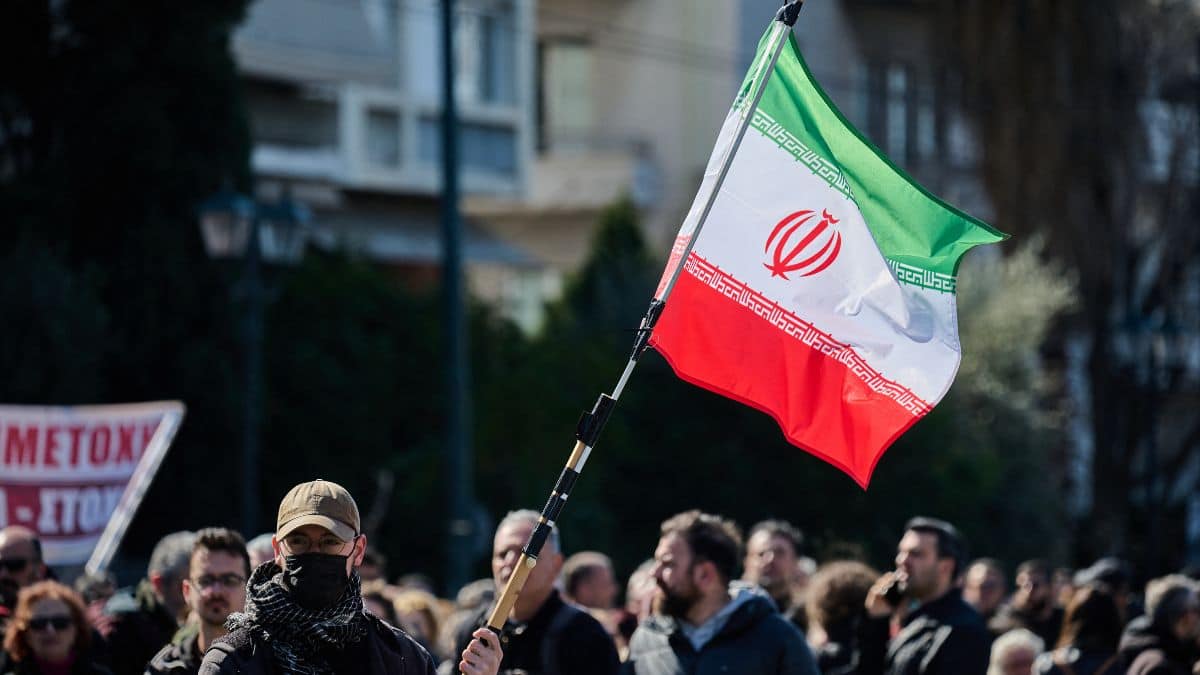
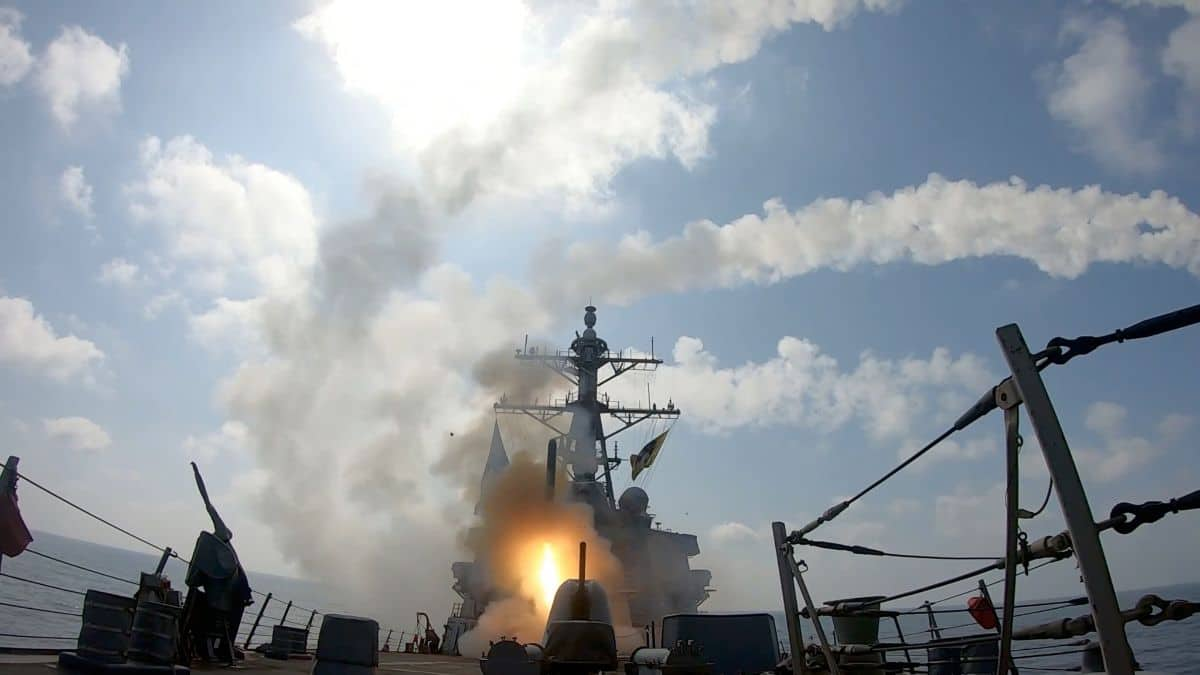
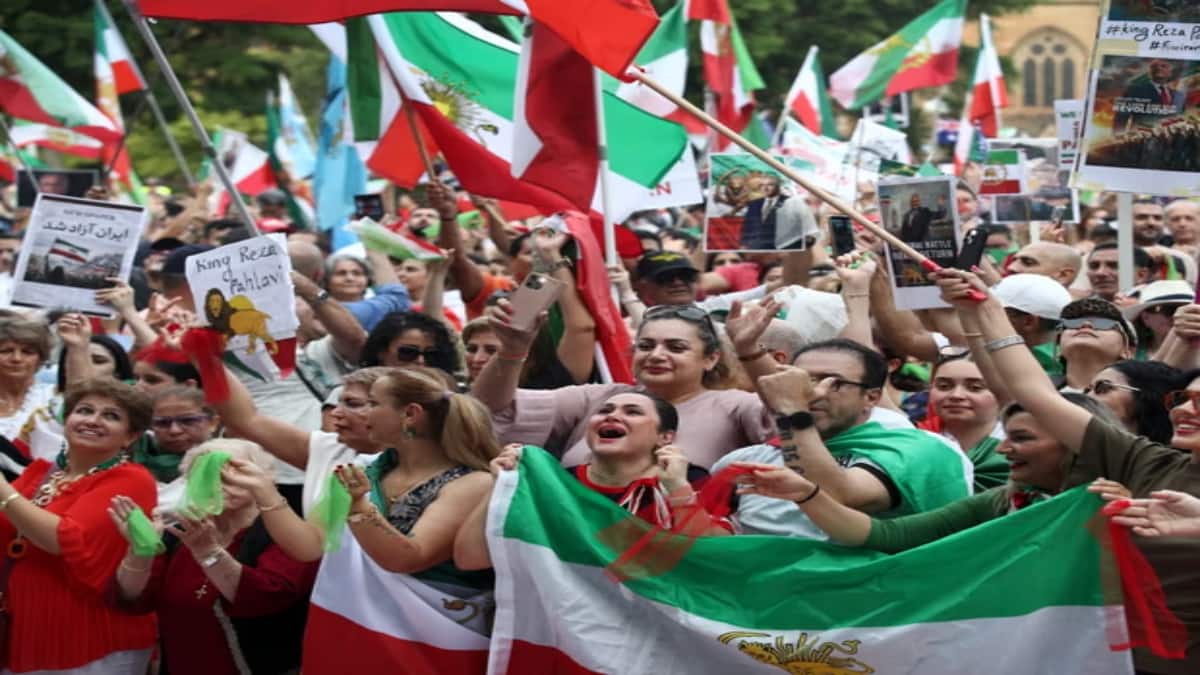
While the Iranian state media was broadcasting somber Quranic verses and declaring 40 days of national mourning, the reality on the ground in Tehran and Karaj was anything but mournful. On the night of February 28, 2026, the silence of a nation under the thumb of a 37-year theocracy didn't just break; it shattered. You might've seen the official reports of "martyrdom" after the US-Israeli airstrikes, but if you talked to anyone with a Starlink connection inside the country, you heard a different story. They weren't just whispering; they were dancing.
The death of Ayatollah Ali Khamenei isn't just a news headline or a change in management. For millions of Iranians, it's the removal of a weight they've carried since 1989. This isn't about geopolitics for them. It's about the guy who ordered the "massacre of January 2026" just two months ago, where over 36,000 people were gunned down in the streets. When that man dies, you don't mourn. You honk your horn until the battery dies.
Why the Streets are Honking Instead of Weeping
The gap between the "official Iran" and the "real Iran" has never been wider. While the government announced a week-long public holiday to grieve, residents in cities like Shiraz, Isfahan, and Kermanshah took to their balconies. They weren't there to pray. They were there to whistle, clap, and set off fireworks.
- The Karaj Eruption: In Karaj, a city that has seen some of the most brutal crackdowns, the celebration was raucous. Videos verified by AFP show people dancing in the streets despite the heavy presence of security forces armed with AK-47s.
- The Sound of Tehran: In the capital, the air filled with the rhythm of motorcycle horns and rhythmic clapping. It wasn't a riot; it was a release.
- The Silent Majority's Best Night: One doctor in Rasht told reporters he smoked his first cigarette ever that Saturday night. He called it "the best night of our lives." He didn't sleep, and he wasn't even tired.
This isn't just "unrest." It's a collective sigh of relief from a population that has been suffocating. When you've seen young boys and girls "lying in a pool of blood" just weeks prior, the death of the person who gave the order feels like a dream you don't want to wake up from.
The Human Cost Behind the Jubilation
It’s easy to look at these celebrations and think they're cold. But you have to understand the context. The January 2026 protests weren't just another march. They were a slaughter. Human rights groups like HRANA have confirmed thousands of deaths, while some reports suggest the number is much higher.
People are celebrating because they've lost everything. When a regime kills your children, your friends, and your future, the only thing left to do is celebrate the end of the person responsible. One activist, Masih Alinejad, posted a video of the celebrations with a simple, haunting question: "Am I dreaming? Hello, new world."
The Power Vacuum and the Succession Circus
The Islamic Republic is now a headless beast. Khamenei was the central pillar. He wasn't just a leader; he was the embodiment of the entire system's ideology and repression. Now that he's gone, the "Axis of Resistance" is shaking.
- The Assembly of Experts: They’re supposed to pick a successor, but they're walking into a minefield.
- The IRGC Factor: The Revolutionary Guard is likely to try and seize direct control. They have the guns, but they've lost the "divine" legitimacy Khamenei provided.
- The Candidates: Names like Mojtaba Khamenei (the son) and Ali Larijani are being tossed around, but as exiled Prince Reza Pahlavi put it, any attempt to appoint a successor is "doomed to fail." The people aren't looking for a New Khamenei. They're looking for an Exit.
What Most People Get Wrong About the Aftermath
Western analysts often worry about "instability" or "chaos." Honestly, for Iranians, the "stability" of the last 30 years was its own kind of chaos—an economic meltdown, mass poverty, and state-sanctioned murder.
There’s a deep divide, sure. You'll still see crowds in Enghelab Square weeping and chanting "death to America." These are the loyalists, the ones whose livelihoods depend on the system. But don't mistake their organized grief for the national mood. The people rushing to supermarkets to stock up on bread and water aren't doing it because they're sad. They're doing it because they know the regime's dying gasps could be violent.
The Geopolitical Ripple Effect
This isn't happening in a vacuum. The US-Israeli strikes that killed Khamenei also reportedly took out his daughter, son-in-law, and several top IRGC commanders. The "Twelve-Day War" of 2025-2026 has escalated into a decapitation of the Iranian leadership.
- Hezbollah and Hamas: Their main patron is gone. They're releasing statements of mourning, but they're effectively orphaned.
- The Regional Response: While China condemns the "violation of sovereignty," countries like the UAE and Saudi Arabia are watching their missile defense systems. Iran has already retaliated with strikes across the Gulf.
Reality Check for the Days Ahead
If you're watching this from the outside, don't expect a smooth transition to democracy by Friday. The regime still has plenty of bullets left. Even as people dance, they're terrified. They've seen what happened in Iraq and Libya. There's a cautiousness to the joy.
You’re going to see a lot of "official" mourning footage. State TV will show sea of black shirts. But remember the girl in Abdanan who posted a video of her neighbors dancing. She wrote: "You riddled the people of Abdanan with bullets, but today it's the people of Abdanan dancing on your corpse." That is the heart of the story.
The Islamic Republic has reached its end as we knew it. Whether it's a slow collapse or a sudden implosion, the "fear barrier" has been permanently breached. You can't un-ring the bell of a nation celebrating its dictator's death.
If you want to stay informed, stop looking at the official government feeds and start following the independent activists using Starlink. They’re the ones showing the side of Iran the regime is trying to bury under 40 days of forced mourning. Keep an eye on the IRGC's next move—it'll tell you if they're planning a military junta or if the system is truly ready to fold.