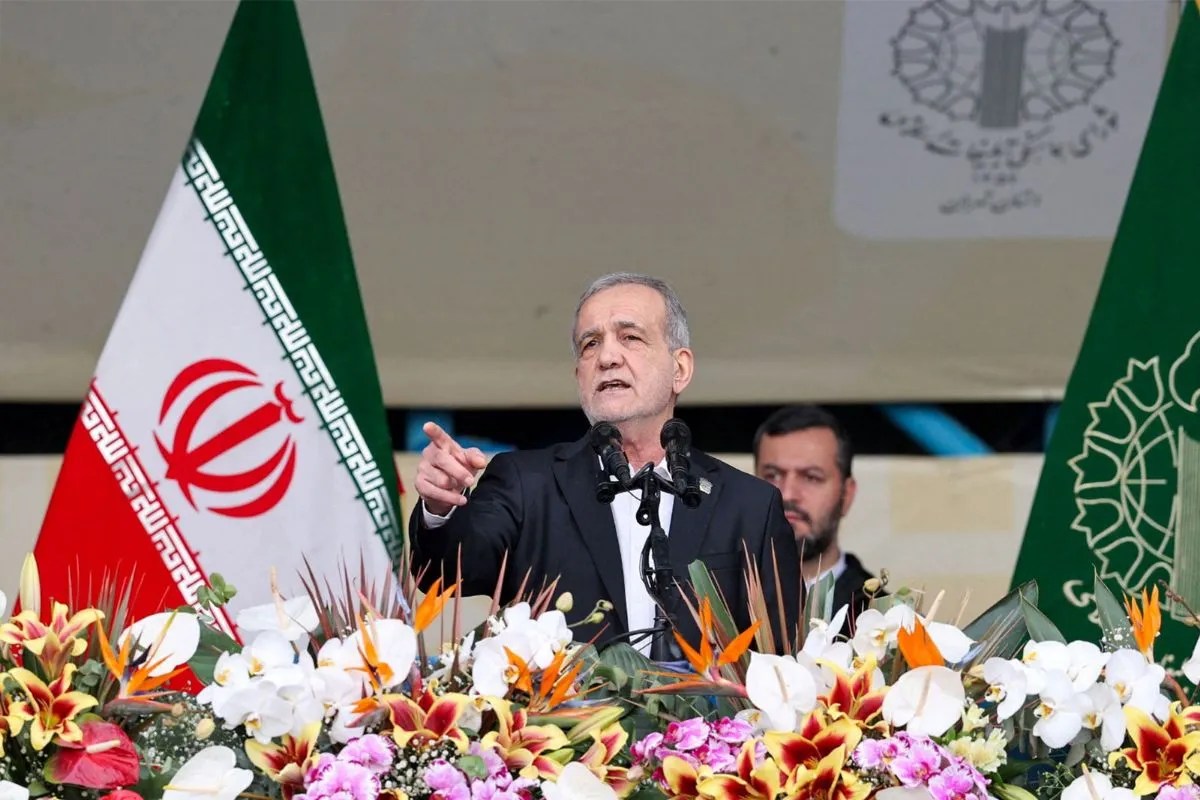
Iranian President Masoud Pezeshkian just delivered a blunt reality check to Washington. During his visit to Islamabad, Pezeshkian made it explicitly clear that Tehran's ballistic missile program is entirely off the table. He didn't mince words, stating that without these missiles, the US and Israel would have razed Iran just like Gaza.
This position fundamentally reshapes the expectations surrounding the recent US-Iran Memorandum of Understanding (MoU). For anyone hoping that a diplomatic breakthrough would dismantle Tehran’s aerial arsenal, this is a heavy dose of reality. The missile capabilities are not a bargaining chip. To Iran, they are an existential shield. If you enjoyed this article, you might want to read: this related article.
The Gaza Lesson Shaping Tehran Foreign Policy
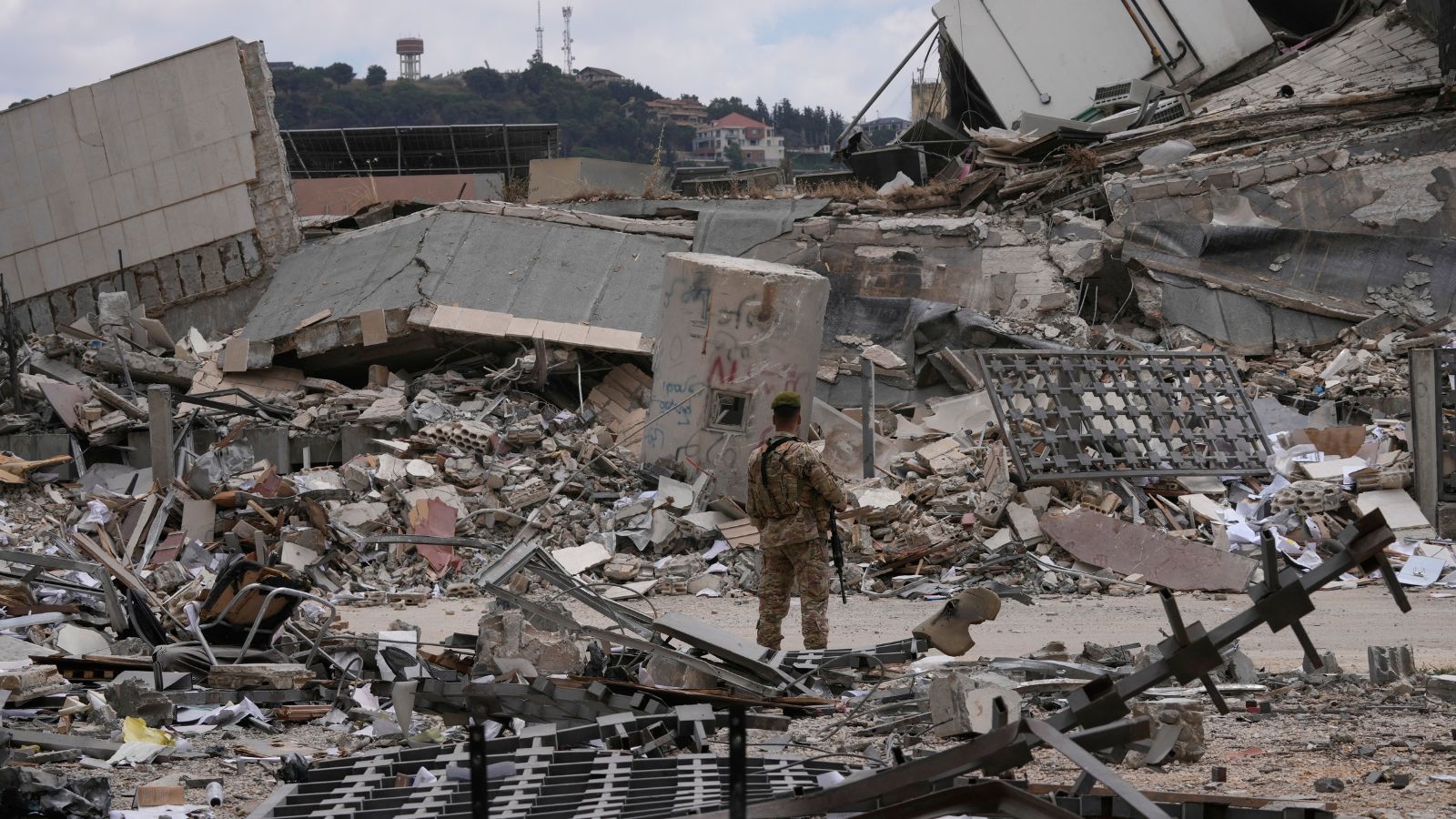
You can't understand Iran's stubbornness without looking at how they view the regional landscape. Pezeshkian pointed directly to the devastation in the Gaza Strip to justify his defense strategy. From Tehran’s perspective, modern international law won't protect a nation from total destruction. Only firepower does.
The Iranian leadership believes deterrence is the only language their adversaries respect. Pezeshkian labeled Western claims about human rights as a "big lie," arguing that neither the elderly nor children would be spared if Iran lacked the means to strike back. It’s a cynical view, sure, but it drives every single move they make. For another perspective on this event, see the latest update from Al Jazeera.
This isn't just empty rhetoric for a domestic audience. It explains why the ballistic missile network remains the crown jewel of the Islamic Revolutionary Guard Corps (IRGC). They watched the Gaza conflict unfold and concluded that giving up asymmetric military capabilities equals national suicide.
The Logistics of the US Iran MoU
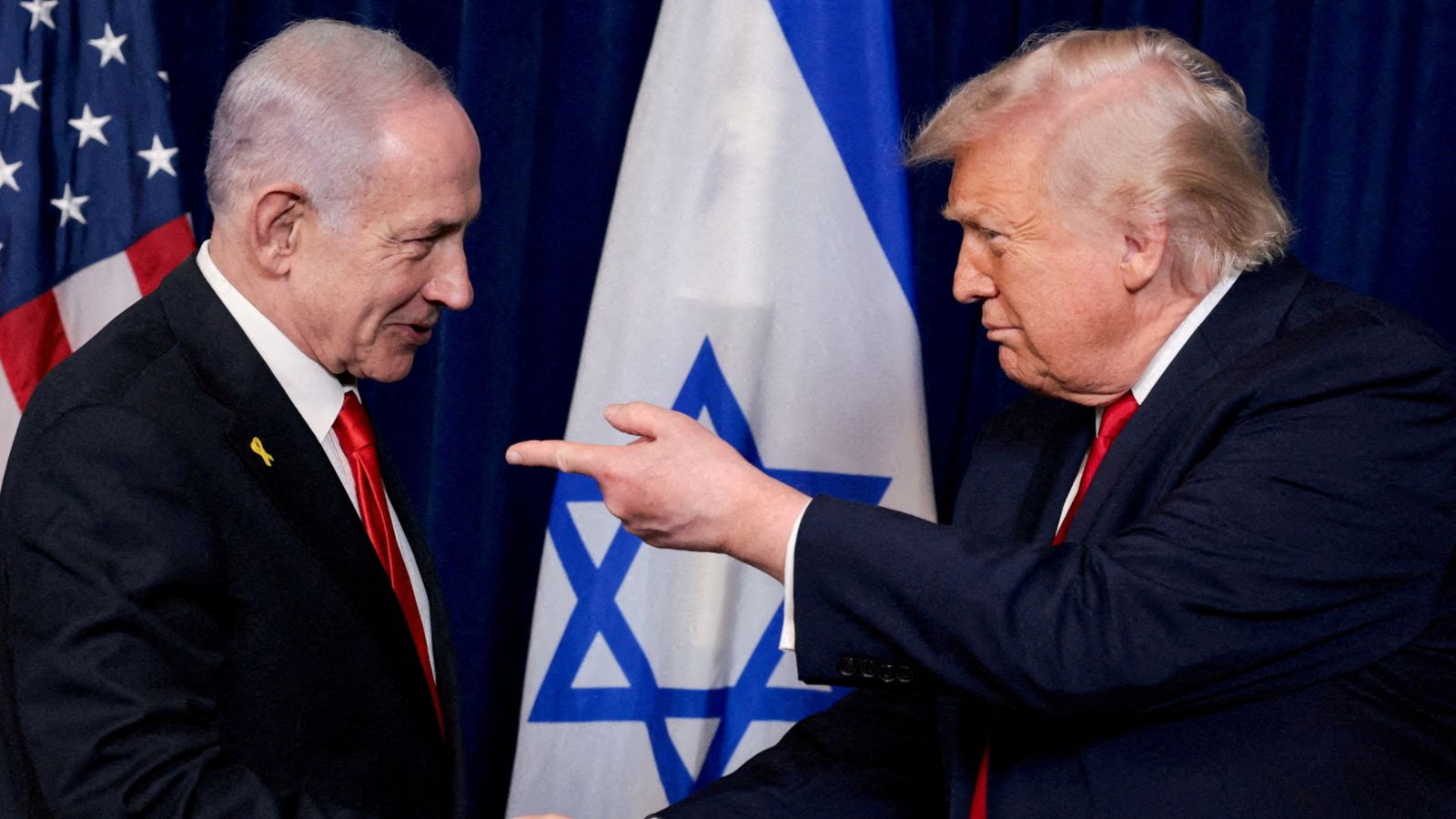
The diplomatic framework currently being negotiated between Washington and Tehran is fragile. While the Trump administration managed to secure an interim agreement to halt active hostilities and gradually reopen the strategic Strait of Hormuz, the scope of the deal is highly restricted.
Pakistani Prime Minister Shehbaz Sharif, acting as a key intermediary, backed Iran’s stance during the diplomatic meetings. Sharif confirmed that ballistic missiles were never part of the negotiation agenda. He criticized what he called "double standards" in international diplomacy, questioning why certain nations are permitted advanced missile technology while Iran is pressured to disarm.
The core of the deal focuses almost entirely on two fronts:
- Reversing Iran's highly enriched uranium stockpile (specifically its 60% purity reserves).
- Providing temporary sanctions relief to revive the crippled Iranian economy.
By separating the nuclear issue from the missile issue, negotiators managed to get a signature on the MoU. But it leaves a massive security gap that continues to terrify regional neighbors like Israel and Saudi Arabia.
Why a Total Disarmament Deal is a Fantasy
If you think a future comprehensive treaty will force Iran to scrap its precision-guided weapons, you're dreaming. The defense architecture of the Islamic Republic relies on missiles because their conventional military is hopelessly outdated. Their air force flies decades-old jets. They can't compete with Western tech in a traditional symmetric fight.
Missiles and proxy regional groups are how Iran levels the playing field. They give Tehran the ability to target regional transport lanes, energy infrastructure, and military bases from thousands of miles away. Stripping those away would leave the regime entirely exposed.
The White House faces an incredibly tough road ahead. Hardline factions at home will slam any agreement that lets Iran keep its regional strike capabilities. Meanwhile, Tehran will happily watch its oil flow through the Strait of Hormuz again while keeping its launch pads locked and loaded. Expect more tension, not less, as the 60-day implementation window kicks into gear.