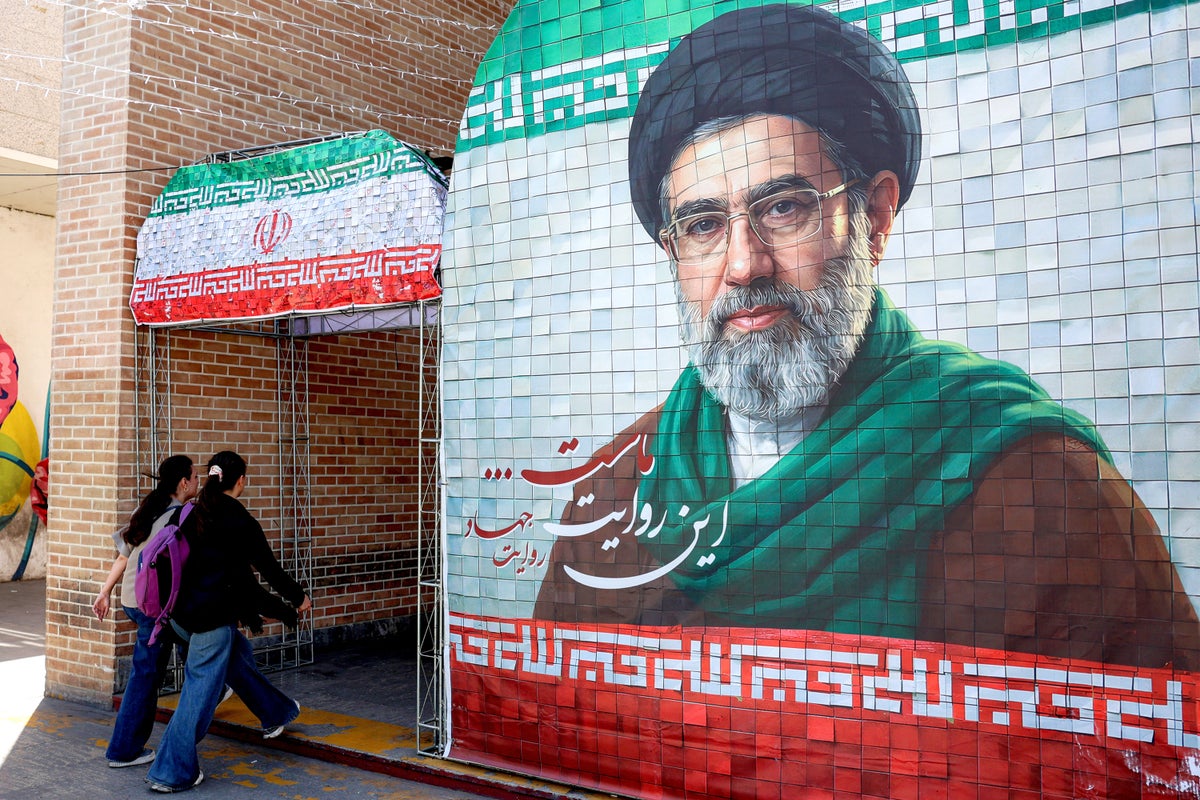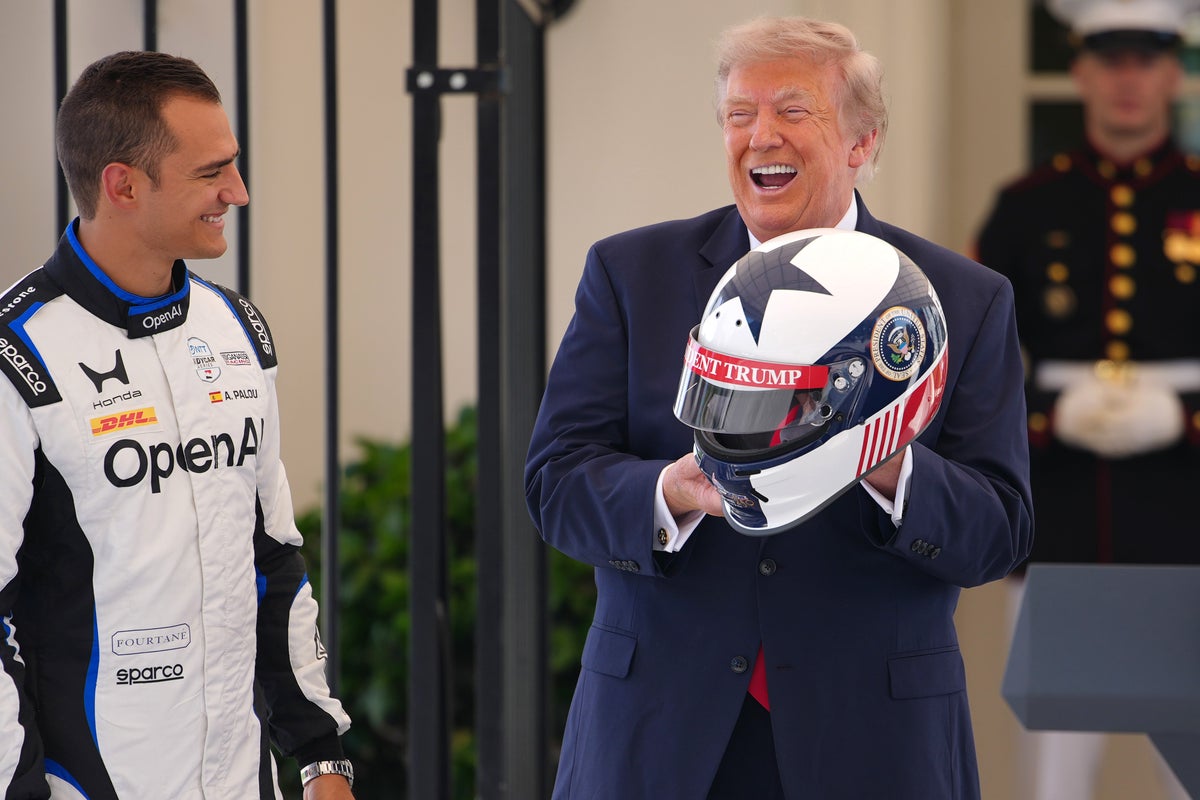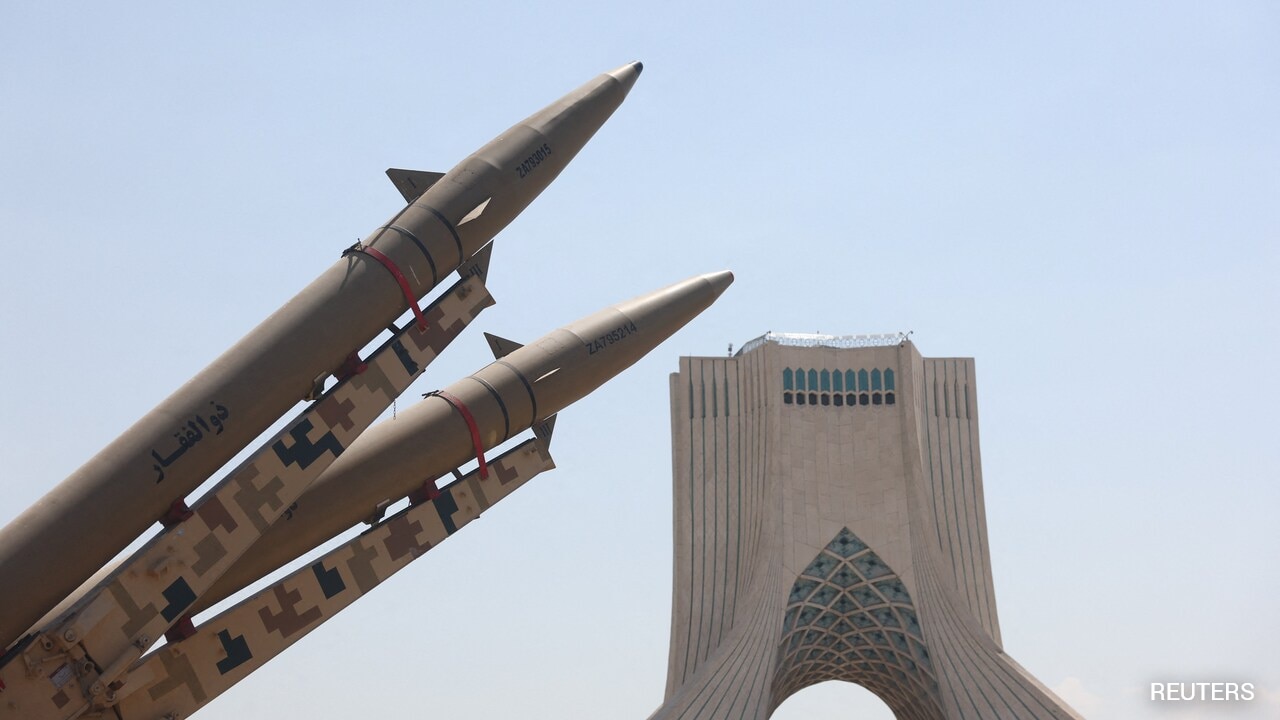
Every desk in Washington and every panic-peddling wire service is currently hyperventilating over the same tired narrative. The headline runs on an endless loop: Iran promises to turn the Gulf monarchies into parking lots if Washington dares launch another kinetic package. Analysts on cable news sweat through their makeup, warning of a regional conflagration, blocked oil chokepoints, and imminent economic armageddon.
They are missing the entire point because they are reading a twenty-first-century geopolitical conflict through a twentieth-century manual.
I have spent the better part of two decades watching foreign policy wonks mistake loud rhetorical posturing for operational doctrine. The lazy consensus says that Tehran holds a loaded pistol to the head of Riyadh and Abu Dhabi, ready to pull the trigger the second an American aircraft carrier launches a sortie.
It is a neat, terrifying story. It is also fundamentally wrong.
The Structural Trap Of The Threat Matrix
Let us look at the actual mechanics of what happens when Tehran points its fingers south across the water. The standard line is that Gulf energy infrastructure is fragile, exposed, and entirely at the mercy of Iranian drones and ballistic missiles.
This ignores the massive, structural shift in regional diplomacy over the last five years.
When the Houthis struck Aramco facilities in Abqaiq back in 2019, the response from Washington was muted, and the Gulf capitals noticed. That single moment forced a complete rewrite of Saudi and Emirati grand strategy. They stopped waiting for an American security umbrella that looks increasingly frayed and started buying insurance policies in Tehran, Beijing, and regional backchannels.
Iran knows this. More importantly, the Islamic Revolutionary Guard Corps knows that turning the Gulf into a literal war zone destroys the very economic lifeblood that Tehran relies on to bypass sanctions.
When Iran threatens the Gulf states over potential US strikes, it is not issuing a military blueprint. It is issuing a political pressure valve. Tehran needs Riyadh and Abu Dhabi to panic, pick up the red phone to Washington, and beg the White House to stand down. It is an act of political warfare disguised as a military ultimatum.
If the Gulf states actually believed a devastating strike was guaranteed the moment a US missile left a tube, they would not be hosting Chinese diplomats and normalizing trade ties with their northern neighbor at breakneck speed. They are hedging. They are neutralizing the threat through commercial interdependence.
The Myth Of Unified Deterrence
To understand why the mainstream analysis collapses, you have to look past the uniform rhetoric coming out of the Iranian foreign ministry.
Tehran is not a monolith. The apparatus is fractured between a pragmatic executive branch desperate to stabilize a collapsing currency and a hardline security establishment that views sabre-rattling as its primary job security.
When a general in Tehran threatens the Gulf, he is signaling to domestic hardliners just as much as he is warning Washington. He is performing strength.
If you map out actual historical responses to past US strikes or covert operations, Iran's retaliation is almost always calibrated to look devastating on state television while avoiding the exact threshold that triggers a total war. They hit empty airbases at midnight. They target remote logistics hubs. They orchestrate calculated, deniable pinpricks via proxies that allow everyone involved to save face and de-escalate before things spiral past the point of no return.
The warning to the Gulf states follows this exact playbook. It is designed to maximize psychological friction without incurring the catastrophic cost of a direct, all-out naval war in the Persian Gulf.
What The Pundits Get Wrong About Risk
Let us address the People Also Ask queries floating around the internet right now.
Will Iran close the Strait of Hormuz if a war breaks out?
The short answer is no, because doing so would choke off Iran's own oil exports to clandestine buyers in Asia. It is the geopolitical equivalent of setting fire to your own lifeboat to spite the cruise ship.
Can the Gulf air defenses stop everything?
No defense grid is one hundred percent airtight, as the drone attacks of recent years proved. But treating a few leaks as proof of total annihilation is lazy thinking. Interception rates have climbed, early warning systems are integrated across borders in ways they never were before, and the cost-to-benefit ratio of launching a massive saturation strike against heavily fortified Gulf targets has become punishingly high for Tehran.
The risk is not a sudden, unprovoked total war sweeping the peninsula. The risk is analytical laziness—the persistent refusal by western commentators to accept that regional actors are playing a multi-dimensional game while Washington is still trying to figure out the rules of checkers.
Stop treating every press release out of Tehran as an imminent countdown timer. Look at the capital flows. Look at the intelligence sharing. Look at the quiet, unglamorous diplomacy happening behind closed doors in Oman and Qatar.
The Gulf states are not sitting ducks waiting for the axe to fall. They have quietly rewritten the playbook while everyone else was busy reading the old headlines.
The next time you see a screaming banner about regional annihilation, remember who benefits from the panic. It is never the people actually living on the ground.
The Real Power Dynamic
Here is the unvarnished truth that nobody in the foreign policy establishment wants to admit out loud.
Washington's ability to dictate regional outcomes through sheer military presence is eroding. Not because Iran is ten feet tall, but because the local powers have realized they have other options. When Tehran threatens the Gulf over American actions, it is implicitly acknowledging a terrifying reality for the old guard: the Gulf states are no longer simple client states waiting for marching orders from Washington.
They are independent actors with their own leverage. And that leverage is the single best deterrent against the very catastrophe the pundits keep selling you.
The threat is real, but the context has completely changed. If you are still analyzing modern Middle Eastern security through the lens of twentieth-century deterrence theory, you are flying blind.
It is time to update your map.