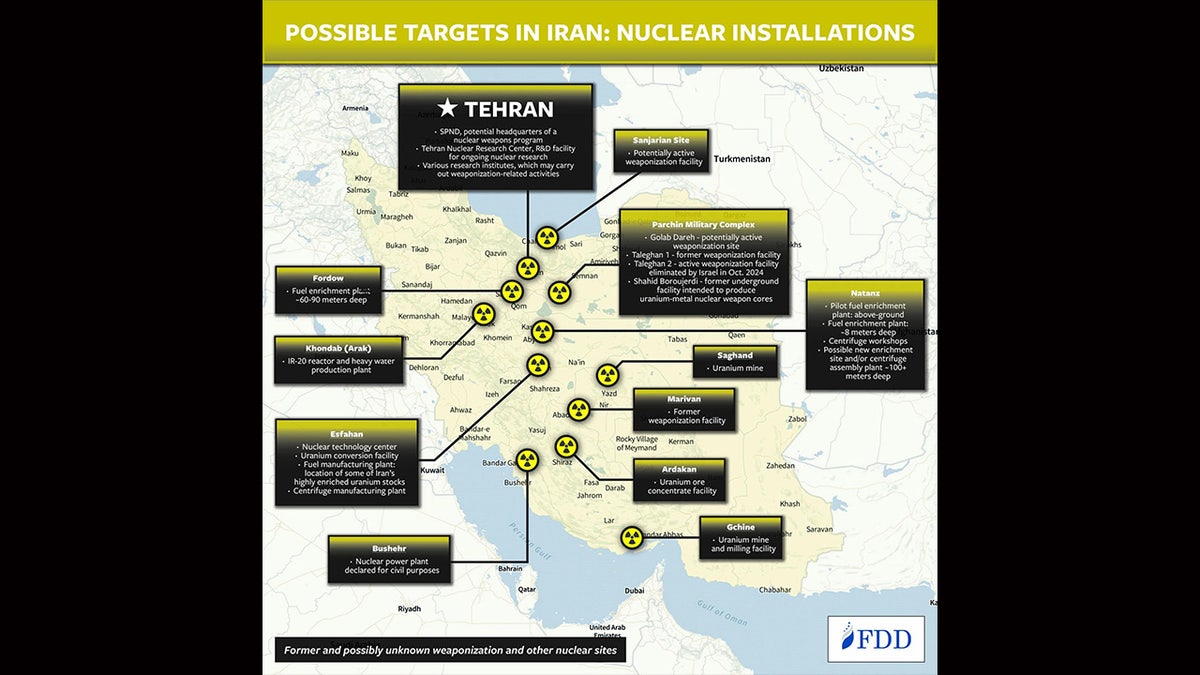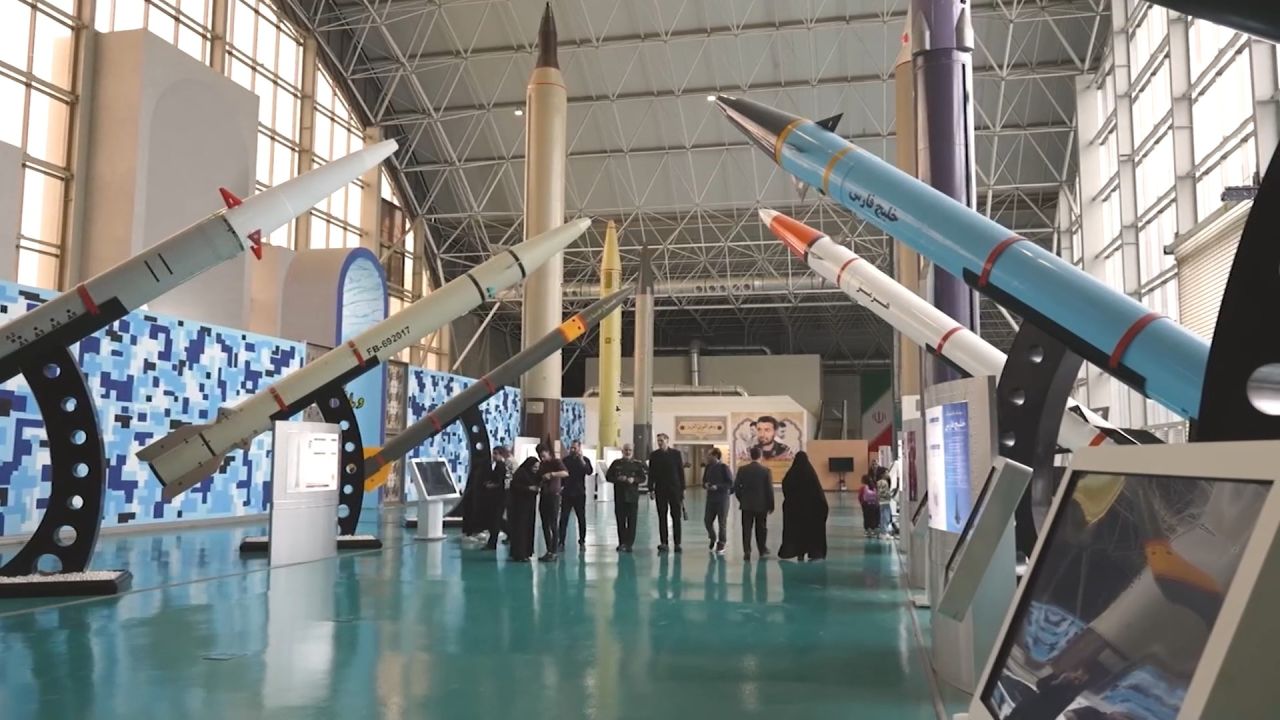
The global energy map just buckled. Following a series of coordinated Iranian missile strikes targeting critical infrastructure across the Persian Gulf, the Saudi Arabian Ras Tanura refinery has ceased operations and Qatari North Field LNG exports have dropped by a staggering 35 percent. This is not just another skirmish in a volatile region. It is a direct hit to the jugular of the global economy. For decades, the theory of "energy security" rested on the idea that physical redundancy and US naval presence could buffer against regional chaos. That theory died this morning. As the smoke clears over the Eastern Province, the immediate reality for global markets is a supply vacuum that cannot be filled by American shale or strategic reserves.
The Ras Tanura Blackout
Ras Tanura is not merely a refinery. It is the oldest and largest oil stabilization and refining complex in the world, capable of processing over 550,000 barrels per day. When Ras Tanura goes dark, the ripple effect isn't measured in days; it is measured in the sudden scarcity of refined products across Asia and Europe.
Preliminary damage assessments suggest that the strikes bypassed the outer missile defense perimeters, specifically targeting the crude distillation units and the power substation that feeds the refinery’s automated control systems. By hitting the power grid rather than just the storage tanks, the attackers ensured a prolonged recovery period. You can patch a hole in a tank in a week. You cannot rebuild a customized, high-voltage substation with specialized components in under six months.
The Saudi government has been quick to issue statements about "minimal impact" and "resuming operations shortly." Those who have tracked the Kingdom's energy infrastructure for decades know better. The precision of these hits suggests a sophisticated level of intelligence regarding the facility's internal architecture. This was a surgical strike designed to maximize downtime while minimizing the kind of massive environmental disaster that would force a direct, total-war response from the international community.
Qatar’s Fragile Gas Monopoly
While the world's eyes were on the Saudi oil fields, the simultaneous hit to Qatari LNG facilities at Ras Laffan is arguably more catastrophic for the global power grid. Qatar is the world’s low-cost producer, the reliable anchor for a Europe that has spent the last two years desperately trying to uncouple itself from Russian pipeline gas.
The disruption to the North Field’s liquefaction trains—the massive mechanical lungs that chill natural gas into liquid for transport—has sent the Title Transfer Facility (TTF) prices in Europe into a vertical climb. Unlike oil, which can be moved via truck or redirected through different pipelines, LNG depends on a rigid, highly technical "cold chain." If the liquefaction trains stop, the ships stop. If the ships stop, the regasification terminals in Germany, Italy, and the UK go dry within weeks.
Current estimates show that three of Qatar’s primary liquefaction trains have been forced into an emergency shutdown. The technical challenge here is immense. LNG infrastructure is notoriously sensitive to rapid thermal changes. An "emergency trip" of this magnitude often leads to hairline fractures in the heat exchangers. If those exchangers are compromised, we aren't looking at a temporary dip in production. We are looking at a fundamental shift in the global gas balance that will persist through the upcoming winter.
The Myth of the Strategic Petroleum Reserve
In Washington, the immediate reflex is to talk about releasing the Strategic Petroleum Reserve (SPR). This is a political sedative, not a cure. The SPR is designed to mitigate short-term supply shocks, primarily in crude oil. It does nothing to replace the refined gasoline, diesel, and jet fuel that Ras Tanura produces. Furthermore, the SPR is currently at its lowest level in forty years.
Why the SPR Won't Save the Market
- Refining Bottlenecks: Cranking more crude out of a hole in Louisiana doesn't help when the world's most sophisticated refineries are on fire.
- Grade Mismatch: Much of the SPR is "sour" crude, whereas many modern refineries globally are optimized for the "sweet" light crude that is now stuck behind a blockade of geopolitical risk.
- Logistic Lag: It takes roughly thirteen days for SPR oil to reach the market after a presidential order. In a high-frequency trading environment, thirteen days is an eternity.
The hard truth is that the "shale revolution" in the United States has created a false sense of security. While the US is a net exporter, the global price is set by the marginal barrel. When 5 percent of global supply vanishes in a single afternoon, the location of the world's largest producer becomes irrelevant. Everyone pays the "fear premium."
The Insurance Deadlock
Beyond the physical damage, a secondary crisis is brewing in the boardrooms of London and Singapore. Marine insurance for tankers entering the Persian Gulf has effectively tripled in price since the strikes. Underwriters are now declaring the entire Gulf a "breach area," requiring ship owners to pay massive additional premiums for every voyage.
For many smaller shipping firms, these costs make the journey commercially impossible. We are seeing a "shadow blockade" where, even if the ports are open, the ships refuse to dock. This creates a backlog of empty vessels outside the Strait of Hormuz, further tightening the global supply of available tonnage and driving up freight rates globally.
A Shift in Regional Power Dynamics
This attack signals a terrifying evolution in asymmetric warfare. The use of low-cost, "suicide" drones and precision cruise missiles has neutralized the advantage of multi-billion dollar conventional defense systems like the Patriot batteries. The cost-to-damage ratio is heavily skewed in favor of the aggressor.
For the Gulf states, the realization is sinking in that their most valuable assets are also their most vulnerable. The concentration of wealth and energy production into a few massive hubs—like Ras Tanura and Ras Laffan—makes them easy targets for a neighbor that has spent forty years mastering the art of the proxy strike.
The New Energy Reality
Investors and policy makers must stop viewing this as a temporary spike. We have entered an era where energy infrastructure is the primary chessboard for geopolitical leverage. The era of "cheap and easy" energy security is over.
Companies that rely on "just-in-time" energy deliveries need to rethink their entire logistics chain. The volatility we are seeing today is the new baseline. For the average consumer, this translates to more than just higher prices at the pump. It means higher costs for plastics, fertilizers, and every manufactured good that moves across an ocean.
The response from the West has so far been a mixture of condemnation and diplomatic maneuvering. But diplomacy doesn't fix a shattered distillation column. It doesn't replace the lost BTUs that heat European homes. As the sun sets over the Gulf tonight, the flares from the burning refineries are a reminder that the world’s energy heart just skipped a beat, and we don't have a backup.
Move your capital into midstream assets with geographical diversification away from the Middle East immediately.