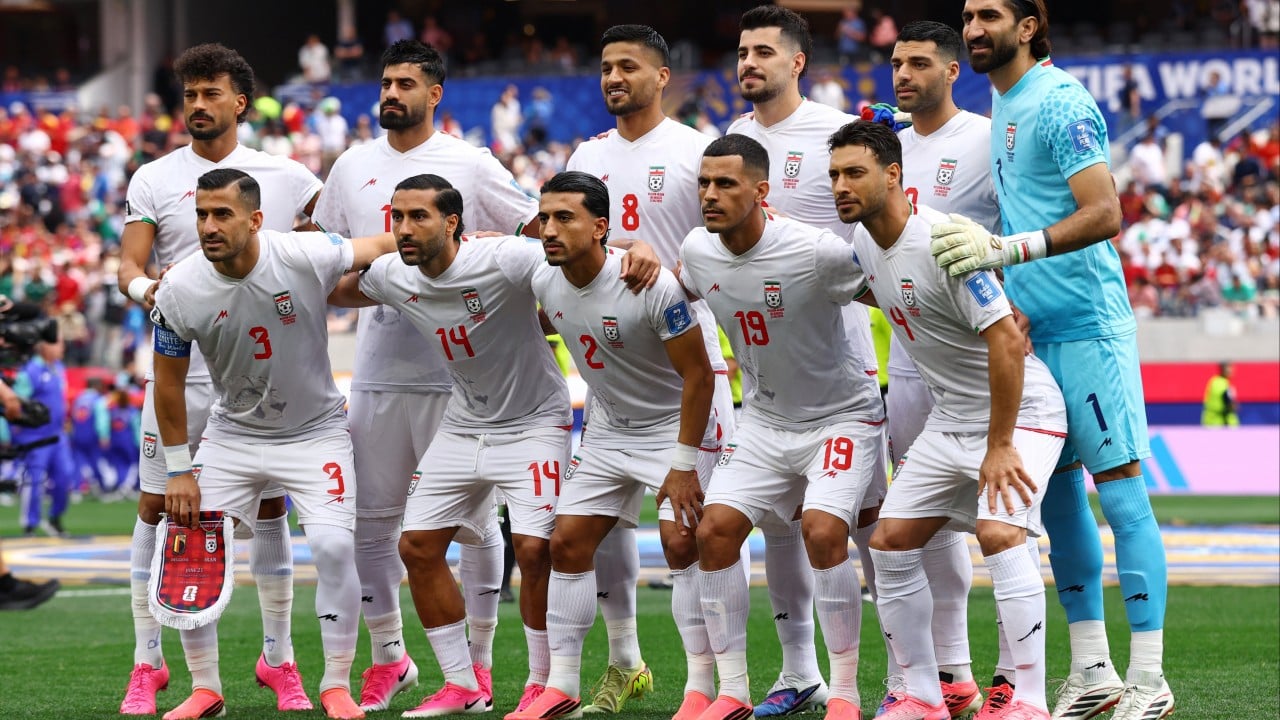
The football world loves a comfortable underdog narrative. When a team battered by off-pitch turmoil, political pressure, and a lack of preparation manages to scrape a point against a perennial European giant, the sports media machine goes into overdrive. We see the standard headlines spinning fairy tales of hope, grit, and a turning tide.
It is a beautiful fiction. It is also completely wrong. Read more on a related subject: this related article.
Celebrating Iran’s recent draw against Belgium as a victory of the spirit misses the brutal reality of tournament football. In a short group stage, an unexpected draw against a top-seed team does not build momentum. It creates a tactical trap. It masks fundamental squad deficiencies, inflates expectations, and alters the risk profile for the remaining games in a way that usually proves fatal.
The Illusion of the Giant-Killing Point
To understand why this result is a curse in disguise, we have to look at the cold math of a World Cup group stage. Further analysis by CBS Sports delves into comparable views on the subject.
The immediate reaction to a lower-ranked team drawing with a top seed is that the underdogs "gained a point." In reality, they likely lost their tactical identity.
When a team like Iran plays a powerhouse, they set up in a low block. They suffocate space, compress the lines, and pray for transitional moments. It is exhausting, reactive football. Surviving ninety minutes of this with a point intact provides a massive psychological high, but it leaves the squad physically depleted and tactically distorted.
The Overconfidence Trap
The biggest danger of the "hopeful draw" is that it forces a tactical shift in the subsequent matches.
- The Status Quo: Going into a tournament, a team facing superior opponents knows exactly what it is—an outsider that needs to steal goals on the counter.
- The Distortion: A draw against a team like Belgium convinces pundits, fans, and sometimes the players themselves that they can go toe-to-toe with the rest of the group.
- The Reality: The next opponents—typically mid-tier teams who are tactically flexible—will not play into a low block. They will happily cede possession and dare the underdog to create.
I have watched national team setups fall into this trap for two decades. A team spends three years mastering a defensive structure. They get one great result against a heavyweight, decide they are ready to play expansive football in game two, and get systematically picked apart on the counter-attack by a disciplined, mid-tier side.
Dismantling the "People Also Ask" Mythos
The mainstream coverage of this match is already driving a specific set of flawed questions across sports media. Let's address them with zero sentimentality.
Does a draw against a top-five nation prove a team belongs on the world stage?
No. It proves that defending with eleven men inside your own final third for ninety minutes is a viable way to prevent conceding.
International football is filled with historical anomalies where vastly inferior teams secured a point through poor opposition finishing, VAR intervention, or sheer luck. It is a statistical outlier, not a proof of concept. One match is data noise; a trend requires sustained possession, progressive passing metrics, and controlled transitions. None of those were present.
Can emotional narratives drive a team through a tournament?
Emotion is a finite resource. In high-level sport, adrenaline carries a team through the first match. By the second and third group games, physiological fatigue settles in.
When a squad is emotionally exhausted from dealing with intense external pressures, a grueling defensive performance accelerates burnout. Relying on "grit" and "hope" as a tactical strategy is a guaranteed recipe for a third-match collapse when the muscles refuse to respond.
The Statistical Reality the Media Ignores
Let’s look at what actually happened on the pitch, stripped of the emotional commentary.
| Metric | Belgium | Iran |
|---|---|---|
| Expected Goals (xG) | 2.45 | 0.32 |
| Possession | 74% | 26% |
| PPDA (Passes Per Defensive Action) | 6.2 | 24.8 |
| Field Tilt (Possession in Final Third) | 81% | 19% |
The numbers paint a terrifying picture for anyone analyzing this match objectively. An xG discrepancy of over two goals means that under normal distribution, Iran loses this match eight times out of ten.
The low PPDA for Belgium shows they pressed high and won the ball back almost instantly. Iran's high PPDA indicates they did not engage in the midfield at all; they simply dropped deep and allowed the opposition to dictate the tempo entirely.
This is not a blueprint for survival across a three-game group stage. It is an unsustainable defensive anomaly.
Why the Remaining Group Matches Are Now Deadlier
By drawing the opening match, the dynamic of the entire group changes to Iran's disadvantage.
In a standard scenario, an underdog loses to the top seed, wins or draws against the third seed, and plays a high-stakes final match. The pressure is distributed linearly.
Now, the remaining teams in the group know that Iran has a point in the bank. They will not approach Iran with complacency. They will scout the Belgium tape, realize that Iran cannot progress the ball through the central thirds when pressed, and they will deploy a suffocating mid-block.
The Cost of Tactical Rigidity
To advance, Iran will eventually have to win a game. Winning requires scoring. Scoring requires committing bodies forward.
The moment this squad commits numbers forward, the structural integrity that earned them the draw against Belgium evaporates. The central defenders lack the recovery pace to manage a high line, and the transition defense is sluggish. By chasing the illusion of qualification created by the first point, they open the door for a blowout.
Stop celebrating the draw. It did not offer hope; it just raised the stakes for a tactical test this squad is fundamentally unequipped to pass.