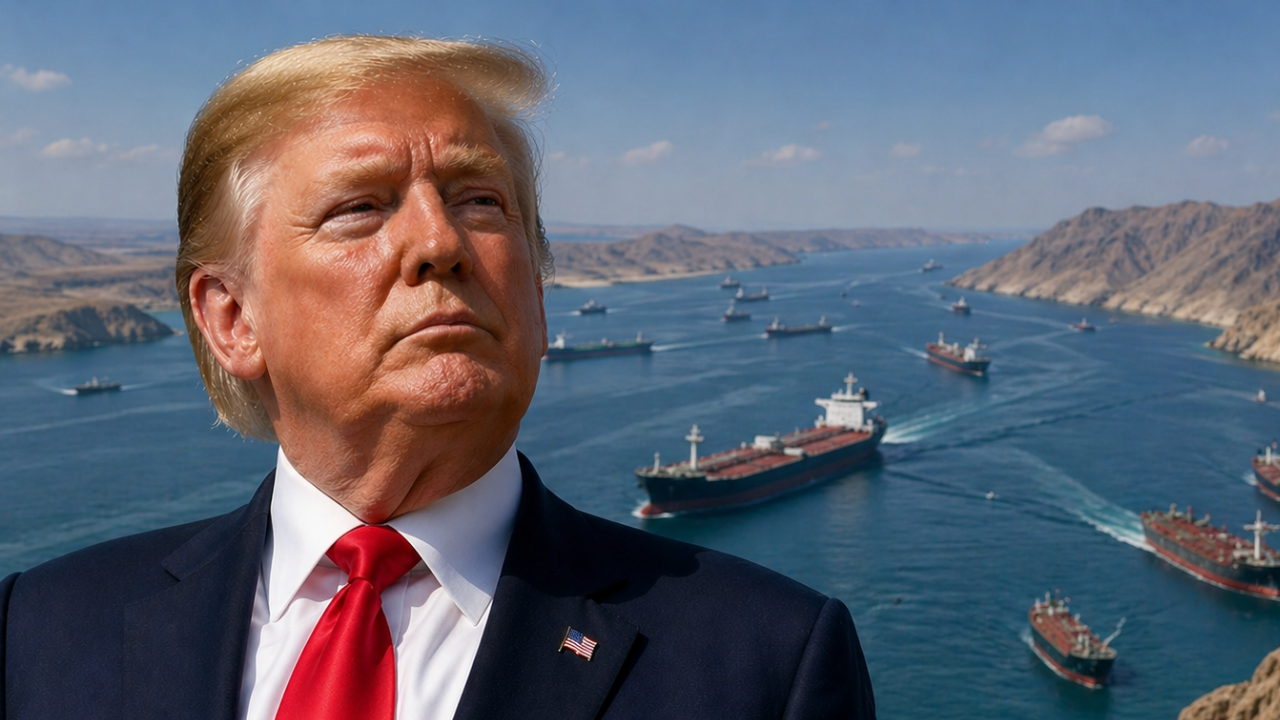
The North Atlantic floor is a silent web of glass and light. These fiber-optic cables carry 97% of global communications and trillions of dollars in daily financial transactions. Most of them pass through a single, poorly guarded gateway: the Irish Exclusive Economic Zone (EEZ). For decades, Dublin has operated on the comfortable assumption that being "neutral" acts as a physical shield. It doesn't.
Ireland is currently the most significant security gap in the European architecture. While the rest of the continent pivots toward a war footing following the invasion of Ukraine, Dublin remains anchored to a 20th-century definition of non-alignment that leaves its skies, its seas, and the world’s data pipelines exposed. This isn't just an Irish problem; it is a systemic risk to every nation that relies on the "Cloud" and the stability of Western financial markets. Building on this topic, you can also read: Nigel Farage and the Seven Figure Question Facing Westminster.
The Blind Spot in the Atlantic
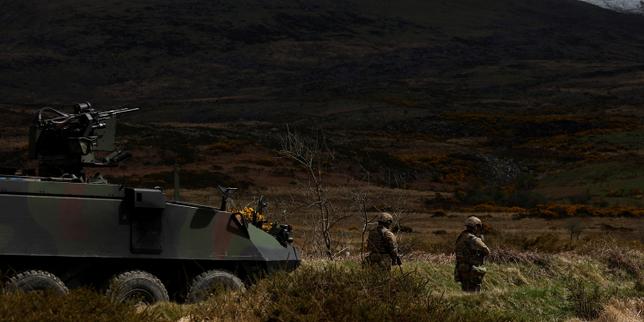
Ireland’s defense budget is an anomaly. At roughly 0.2% of GDP, it is the lowest in Europe. To put that in perspective, while neighbors are scrambling to meet or exceed the 2% NATO benchmark, Dublin is struggling to keep its aging fleet of patrol vessels staffed.
The crisis is visible in the numbers. The Irish Naval Service has been forced to tie up half of its fleet because it cannot retain sailors. They are leaving for better-paying jobs in the private sector, leaving a handful of ships to monitor a maritime area ten times the size of the island’s landmass. This isn't a lack of will from the personnel; it is a structural failure of the state to recognize that a modern economy cannot exist without physical security. Analysts at BBC News have shared their thoughts on this matter.
When Russian spy ships appeared off the coast of County Cork in 2023, the Irish Defense Forces could do little more than watch from a distance. They lacked the sonar capabilities to track what was happening beneath the surface. They lacked the interceptors to challenge unauthorized flights in their airspace. For years, a secret "gentleman’s agreement" with the UK’s Royal Air Force has seen British jets patrol Irish skies. This creates a bizarre paradox where a sovereign nation relies on its former colonial power for basic protection while publicly clinging to the sanctity of neutrality.
Data Centers and the Target on Dublin’s Back
Dublin is the data capital of Europe. It hosts the headquarters and primary servers for Google, Meta, and Amazon. The "Big Tech" presence has turned Ireland into a massive, concentrated target for hybrid warfare.
Cybersecurity experts point to the 2021 ransomware attack on the Health Service Executive (HSE) as the ultimate proof of concept. A single piece of malware paralyzed the nation’s hospitals for weeks, costing the taxpayer over $600 million. It wasn't a military strike, but it had the impact of one. If a state actor decided to move beyond financial extortion and toward true sabotage, the infrastructure is sitting in the open.
The vulnerability of the subsea cables is the nightmare scenario. If the cables connecting Ireland to North America are cut, the global economy doesn't just slow down—it breaks. Yet, the Irish state possesses no dedicated subsea surveillance equipment. No specialized divers. No underwater drones capable of protecting these assets at depth. We are trusting the goodwill of adversaries in an era where goodwill has evaporated.
The Triple Lock Trap
Ireland’s "Triple Lock" system is a self-imposed bureaucratic straitjacket. For the Irish military to deploy more than 12 troops abroad, it requires a government decision, Dáil (parliament) approval, and a United Nations mandate.
Because Russia and China hold veto power on the UN Security Council, they effectively hold a veto over Irish foreign policy. If a humanitarian crisis or a peacekeeping mission doesn't suit Moscow’s interests, Irish troops stay home. There is a growing movement within the current government to scrap this mechanism, but it faces fierce pushback from a public that views any change as a slippery slope toward NATO membership.
This political hesitation ignores the reality of "grey zone" warfare. Modern aggression doesn't always involve tanks crossing borders. It involves cutting power grids, interfering with elections, and mapping underwater infrastructure. Neutrality provides no protection against a digital virus or a cut cable. In the eyes of a modern aggressor, neutrality is simply a lack of resistance.
The Cost of the Neutrality Fetish
The Irish public’s attachment to neutrality is emotional, rooted in the struggle for independence and a desire to be a "moral broker" on the world stage. But morality requires the means to back it up.
Ireland’s current stance isn't true neutrality—it is a subsidized security model. It relies on the geographic buffer of the UK and the overarching protection of the US-led order without contributing to the maintenance of that order. This "free rider" status is beginning to wear thin in Brussels and Washington. As the European Union moves toward more integrated defense cooperation via PESCO (Permanent Structured Cooperation), Ireland’s refusal to invest in its own defense makes it a liability in the chain.
The Royal Navy and the French Navy have already increased patrols in the waters off the Irish coast. They aren't doing it as a favor to Dublin; they are doing it because they cannot afford to leave a hole in the Western flank. When foreign navies have to police your waters because you can’t, you have already lost a measure of your sovereignty.
The Recruitment Death Spiral
If you want to understand the state of a nation's defense, look at the barracks. The Irish Defense Forces are hemorrhaging personnel. It is not uncommon for privates to rely on social welfare supplements to make ends meet.
The hardware is equally concerning. The Air Corps has no primary radar. This means they are effectively blind to any aircraft flying with their transponders turned off. If a hijacked airliner or a military drone entered Irish airspace tomorrow, the state would be entirely dependent on the UK’s radar data to even know it was there. This is a staggering gap for a country that prides itself on being a modern tech hub.
Rebuilding the Wall
Fixing this doesn't require Ireland to join NATO or build a massive standing army. It requires a pragmatic shift toward "active neutrality."
- Radar and Air Interception: Ireland needs its own primary radar system and a small fleet of interceptor jets. Without the ability to monitor and police its own sky, "sovereignty" is a hollow word.
- Subsea Surveillance: Given the concentration of data infrastructure, Ireland should be a world leader in maritime domain awareness. This means investing in unmanned underwater vehicles (UUVs) and specialized sonar arrays.
- Cyber Defense Sovereignty: The National Cyber Security Centre (NCSC) needs the budget and the legal mandate to go on the offensive against threats, rather than just mopping up after an attack.
- Pay and Retention: You cannot run a military on volunteer-level wages. The government must treat military service as a high-skill profession if it wants to stop the exodus of talent.
The world has changed since the Irish policy of neutrality was codified. The Atlantic is no longer a moat; it is a highway for the very resources that keep the modern world functioning. To continue pretending that isolation is a strategy is a gamble with the highest possible stakes. Ireland doesn't need to become a military power, but it must stop being a vacuum. In the current geopolitical climate, a vacuum is always filled by someone else—and usually by someone you don't want.
The safety of the Western internet and the integrity of the European border now depend on a country that, for the moment, is choosing not to see the threat. That choice is a luxury that history is about to revoke.