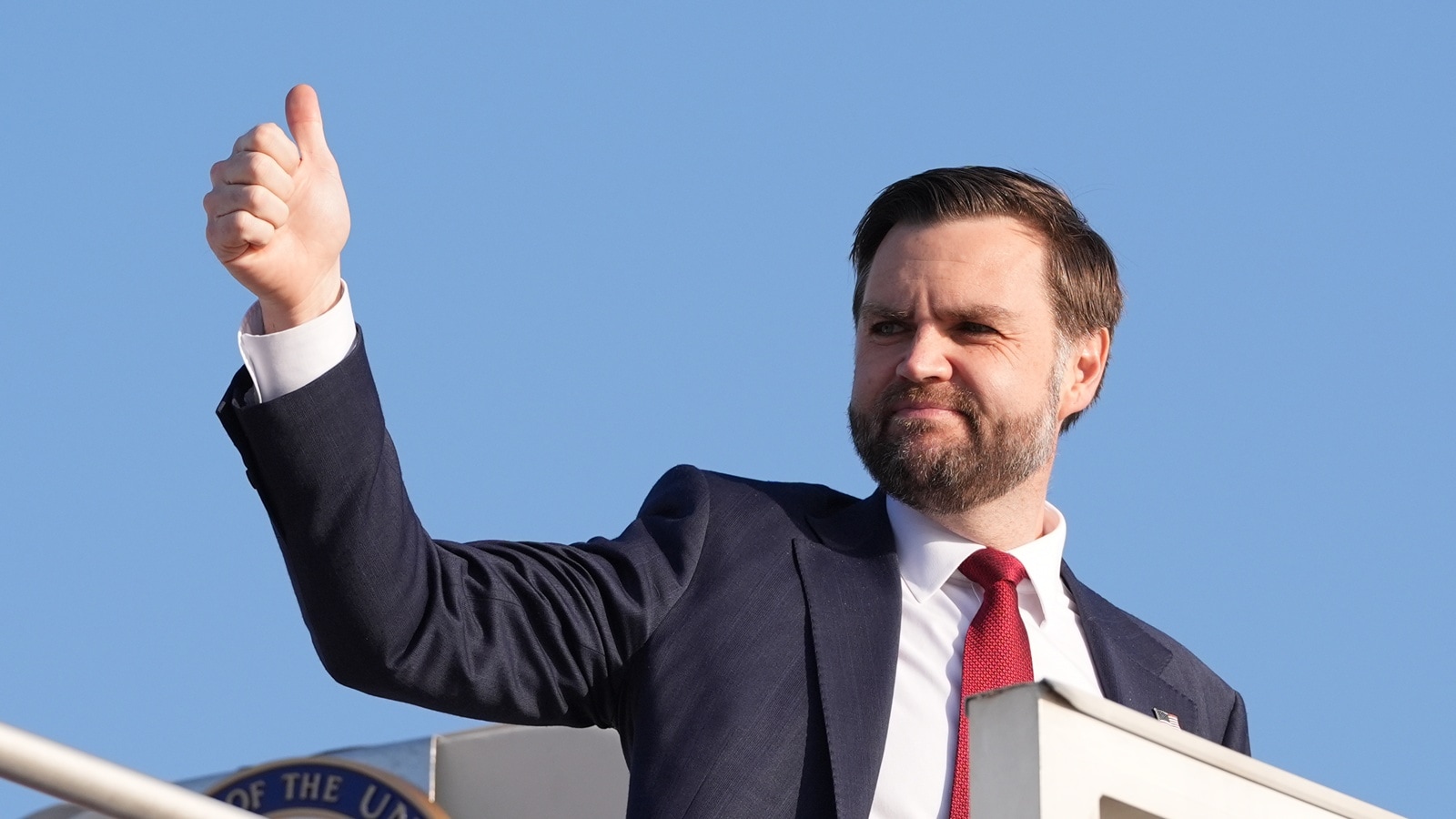
The world held its breath for 21 hours as U.S. and Iranian officials sat across from each other in Islamabad, but the marathon session ended with a whimper. Vice President JD Vance boarded Air Force Two on Sunday morning with a thumb up for the cameras and a "no deal" for the press. After six weeks of a brutal, high-stakes war that has redrawn the map of the Middle East, the failure to secure a permanent ceasefire leaves the region in a terrifying limbo.
If you're wondering why two global powers couldn't find common ground after nearly an entire day of negotiations, it's simple. Washington wants a nuclear-free Iran; Tehran wants a seat at the table and control over the world's most vital oil artery. The two visions are currently irreconcilable.
The nuclear wall and the 21 hour standoff
The primary reason the talks collapsed wasn't a lack of effort. It was a fundamental disagreement over nuclear "breakout" capacity. Vance was blunt during his press conference at the Islamabad airport. He stated that the U.S. required an "affirmative commitment" that Iran would not only abandon nuclear weapon development but also the specific tools that allow for a quick pivot to building a bomb.
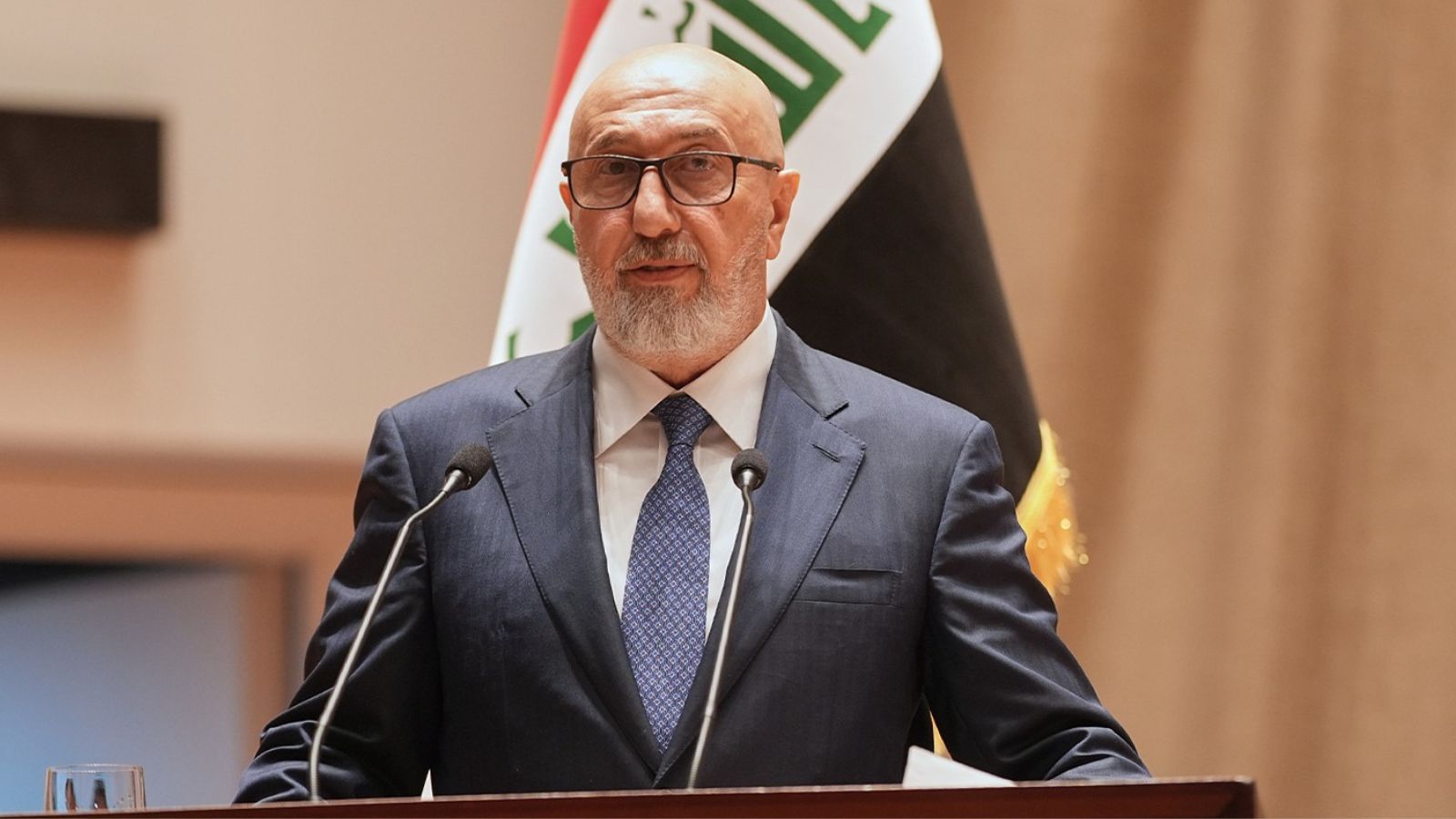
Iran isn't biting. To them, uranium enrichment is a point of national pride and a "civilian right." They see the U.S. demand as a call for total surrender, not a negotiation. While the U.S. team—which included high-profile figures like Jared Kushner and Steve Witkoff—pushed for a permanent freeze, the Iranian delegation led by Foreign Ministry spokesperson Esmaeil Baqaei countered with demands for $6 billion in frozen assets and formal reparations for war damages.
Blood and oil in the Strait of Hormuz
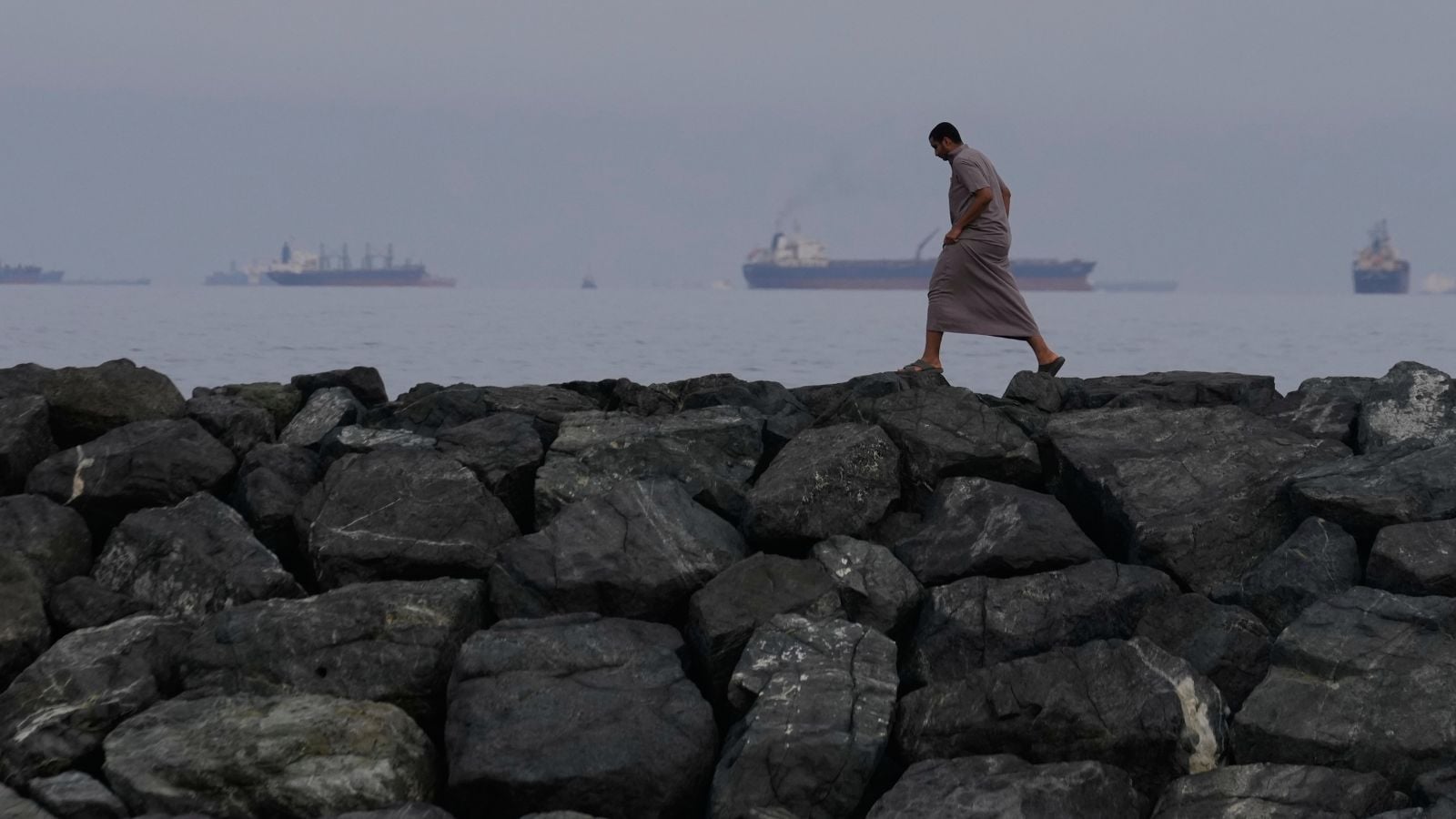
While diplomats were talking in Pakistan, the U.S. Navy was moving in the Persian Gulf. Two guided-missile destroyers transited the Strait of Hormuz on Saturday. It's the first time American warships have made that trip since the war started six weeks ago.
This wasn't just a routine patrol. CENTCOM says they're clearing Iranian sea mines to "encourage the free flow of commerce." Iran sees it as a direct provocation. They've doubled down on their claim that the Strait is under their total control. One billboard in Tehran today even depicts Iranian forces hauling in a net full of miniature U.S. warships. It's not exactly the imagery of a nation ready to back down.
Key sticking points that killed the deal
- The Nuclear Clause: The U.S. wants a total end to enrichment; Iran wants "civilian" enrichment to continue.
- The Israel-Hezbollah Connection: Iran demanded an immediate end to Israeli strikes in Lebanon. Israel, meanwhile, hit 200 targets in Lebanon during the talks.
- Economic Reparations: Tehran is asking for billions in damages and the release of all frozen assets.
- Maritime Control: Iran insists on the right to charge "tolls" or fees for ships passing through the Strait of Hormuz.
A ceasefire on life support
We're currently in a two-week ceasefire, but that clock is ticking. It's set to expire on April 22. Without a signature on a piece of paper in Islamabad, there's nothing stopping the missiles from flying again in ten days.
Pakistan's Foreign Minister, Ishaq Dar, is desperately trying to keep both sides at the table. He's called the ceasefire "imperative," but his influence only goes so far. The reality is that the U.S. has left a "final and best offer" on the table. It's a take-it-or-leave-it proposition. If Tehran doesn't blink by the 22nd, the temporary quiet we've seen in the Middle East will likely end in another round of escalations.
What happens next for regional security
Don't expect another high-level summit tomorrow. The U.S. negotiating team has already left Islamabad. There aren't even back-channel staffers left behind to keep the seats warm. This is a deliberate "cooling off" period—or a game of chicken, depending on how you look at it.
For the average person, this means oil prices are going to stay volatile. As long as the Strait of Hormuz is a contested war zone and the U.S. is actively mine-clearing, the "free flow of commerce" is a pipe dream. You should expect continued military posturing in the Gulf and potentially more "defiant" rhetoric from Tehran to satisfy their internal hardliners who fear the government is selling out.
The next ten days are the most dangerous we've seen in decades. If you're looking for a silver lining, it's that they talked for 21 hours. That's more face-to-face time than these two countries have had since 1979. But in diplomacy, almost a deal is still no deal. Keep an eye on the April 22nd deadline; that's when we'll find out if this was a temporary pause or the start of something much worse.