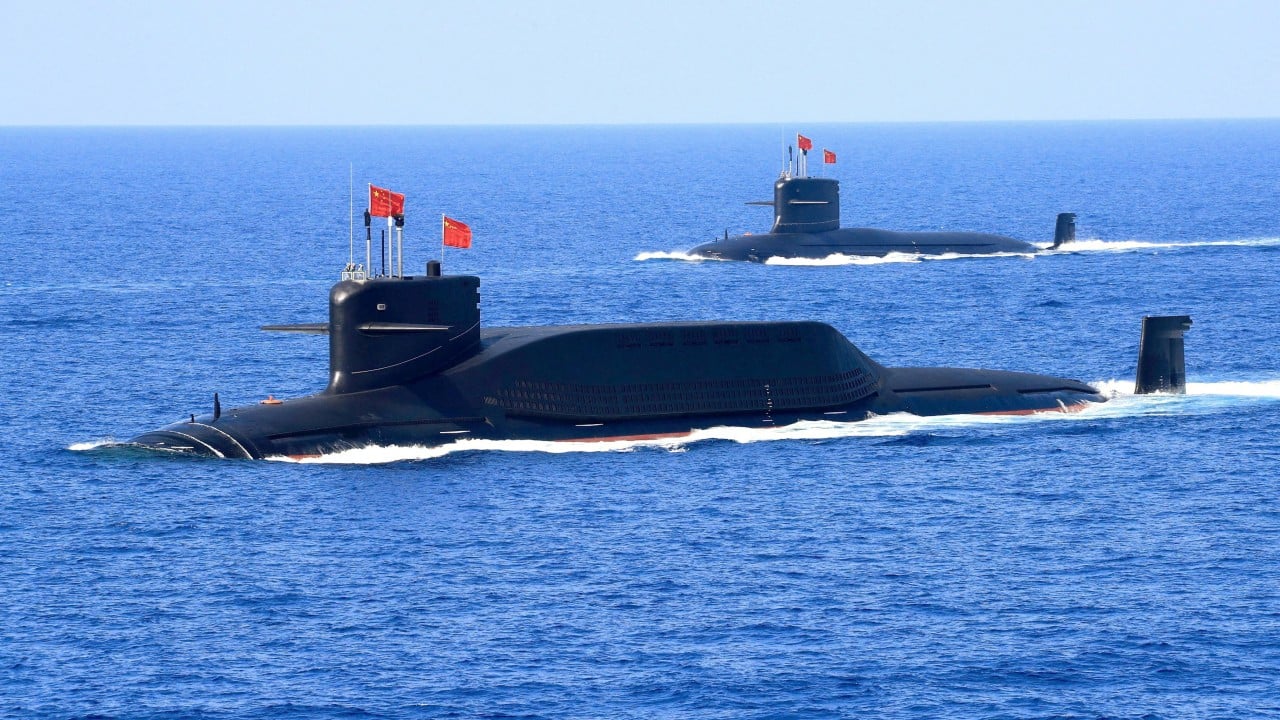
The rules of underwater warfare are quietly rewriting themselves in the Western Pacific. As Beijing pushes its naval boundaries further outward, Tokyo is responding with a radical counter-strategy: mounting quantum sensors onto inexpensive, ship-launched drones. It is a high-stakes gamble to neutralize the stealth advantage of an expanding submarine fleet without bankrupting the defense budget.
For decades, hunting submarines relied on traditional acoustics, active sonar, and crewed maritime patrol aircraft like Japan's Kawasaki P-1. But modern nuclear and diesel-electric boats have grown exceptionally quiet, making them remarkably difficult to ping with legacy sonar networks. Enter quantum technology. By measuring microscopic fluctuations in the Earth's magnetic field caused by a massive steel hull moving underwater, quantum magnetic sensors offer a completely different way to see what is lurking beneath the waves.
The Strategic Shift in Tokyo
Japan's Ministry of Defense has baked research into small quantum magnetic sensors directly into its fiscal 2027 budget request, with a goal of operational deployment by fiscal 2031. Rather than relying exclusively on a handful of expensive, multi-million dollar patrol aircraft, the plan envisions swarms of low-cost unmanned aerial vehicles operating right off surface warships.
This shift addresses a brutal economic reality of modern defense. Building and maintaining crewed aircraft puts immense strain on personnel and equipment, especially when patrol demands skyrocket. By utilizing expendable or low-cost drones, Japan can crowd critical maritime chokepoints—the narrow straits that Chinese submarines must transit to break out into the wider Pacific—with persistent eyes and ears.
The Physics Problem Nobody Talks About
Quantum sensors sound like science fiction, but they aren't magic. Physics imposes strict operational limits that defense planners must navigate.
Magnetic anomaly detection has a notoriously short range. As retired Australian Vice Admiral Peter Jones noted, these sensors typically see only several thousand meters at best. You cannot sweep an entire ocean basin with a single quantum detector.
Because of this physical constraint, Japan isn't using these drones to hunt blind across the open sea. Instead, the strategy relies on geographical bottlenecks. When submarines are forced through confined channels, even short-range sensors become deadly effective if deployed in high enough densities.
The Broader Undersea Arms Race
Tokyo's initiative doesn't exist in a vacuum. The Pentagon projects that China's submarine fleet could scale up to roughly 80 hulls by 2035, backed by extensive ship-building modernization and an expansive network of seabed sensors, buoys, and underwater gliders often dubbed the "Underwater Great Wall".
At the same time, Beijing isn't just defending against quantum tech—it's developing it. Chinese researchers have actively tested drone-mounted quantum magnetic sensor systems at sea, proving that both sides recognize the technology's potential to disrupt traditional submarine stealth.
Meanwhile, broader alliances are testing similar unmanned concepts. Through AUKUS Pillar II initiatives, Australia, the United Kingdom, and the United States are accelerating autonomous underwater vehicle payloads, while Japan collaborates with these partners on underwater acoustic communications.
The coming decade will determine whether quantum-equipped drone swarms can successfully close the net on stealth submarines, or if the ocean depths will remain stubbornly opaque to surface watchers.
For a closer look at how these developments are shaping naval strategies, you can watch this Japan Quantum Drone Plan Analysis. This video breaks down the technical hurdles and geopolitical stakes behind Tokyo's push into autonomous underwater surveillance.


