You have been planning this Tokyo trip for months. You packed your bags, checked your hotel reservations, and visualized walking through Shinjuku. Then you check your phone, and your flight doesn't exist anymore.
Typhoon Jangmi is currently barreling up Japan's Pacific coast, and it is causing absolute chaos for anyone trying to fly between Hong Kong and Tokyo. If you are scheduled to fly right now, your plans are likely up in the air—or more accurately, firmly stuck on the tarmac. You might also find this related coverage insightful: Where the Air Turns Gold and Manhattan Waits.
Airlines aren't playing around with this storm. Hundreds of flights have been wiped off the boards. Here is exactly what is happening, which flights are gone, and how you can salvage your trip without losing your mind.
The Reality of the June 3 Cancellations
Let's look at the hard data. This isn't a minor delay situation. Carriers have completely axed their schedules for Wednesday, June 3, to avoid the worst of the storm as it moves past Tokyo, Osaka, and Nagoya. As extensively documented in latest articles by Lonely Planet, the implications are worth noting.
If you are flying on any of these specific routes, you need to check your email immediately.
Cathay Pacific
The city's flagship carrier pulled the plug on several major Tokyo services, including CX 524, CX 526, CX 527, and CX 509. They have also scratched regional feeder flights from Nagoya (CX 563) and Osaka (CX 503).
Hong Kong Express
The low-cost favorite already spent the last two days canceling flights to Okinawa, and now the Tokyo routes are taking the hit. Flights UO 848 and UO 849 between Hong Kong and Tokyo Narita are officially canceled.
Japan Airlines and ANA
The Japanese giants are clearing out their schedules to protect their fleets. JAL canceled its Haneda and Narita services, including JL 736, JL 026, and JL 029. All Nippon Airways followed suit, scrubbing NH 859 and NH 860.
Greater Bay Airlines and Regional Carriers
Greater Bay Airlines is attempting to push through with severe delays on flights HB 320 and HB 321, but don't count on those departure times staying solid. Air Macau has also grounded its Tokyo flights (NX 862 and NX 861), showing that the disruptions extend well beyond the borders of Hong Kong International Airport.
Why Jangmi is Wreaking Havoc on Aviation
You might wonder why a storm that was technically downgraded from a typhoon to a severe tropical storm is still grounding massive wide-body jets. The answer comes down to geography and wind direction.
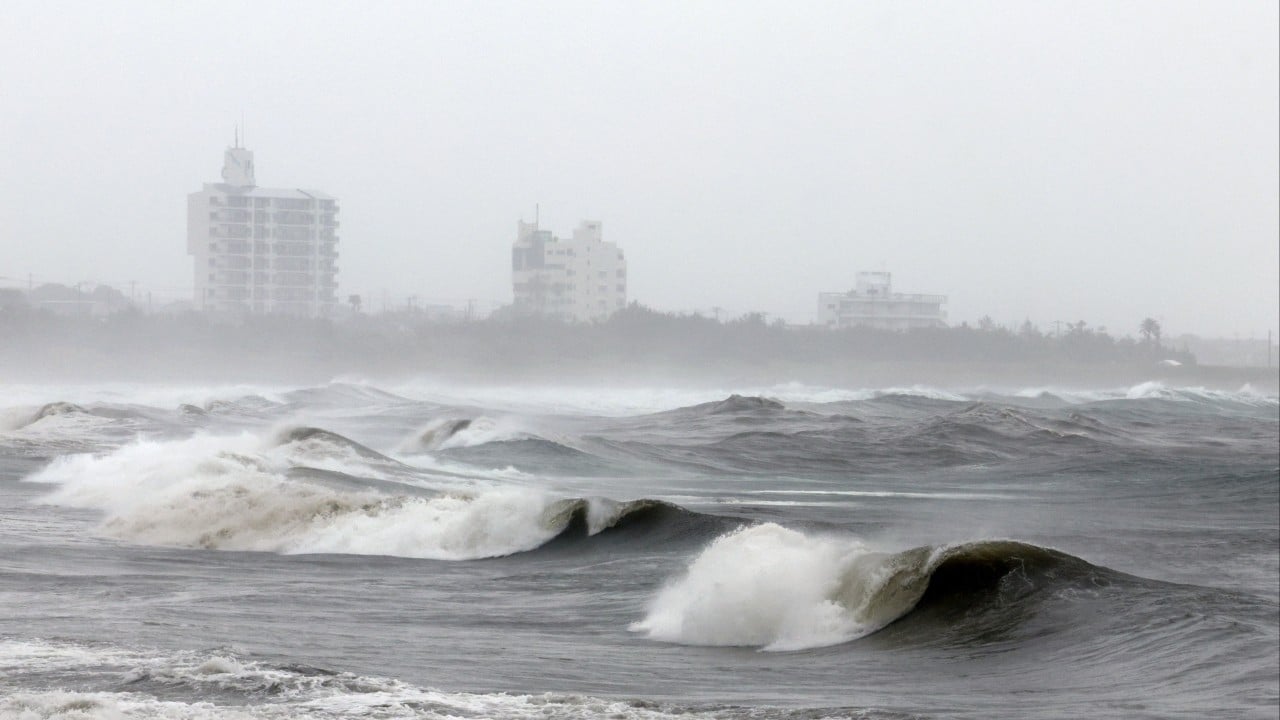
Jangmi already slammed into Okinawa with gusts hitting 170 km/h, knocking out power to tens of thousands of homes. Now, it is moving parallel to Japan's main island of Honshu. This path means it is dumping up to 350mm of rain across the Kinki and Tokai regions while bringing heavy wind shear directly to Tokyo's coastal airports.
Airports like Narita and Haneda are highly susceptible to crosswinds. When a storm sits just off the coast, the wind angles make landing incredibly hazardous for commercial airliners. Airlines prefer the financial pain of canceling a flight over the operational nightmare of a plane getting stuck in a dangerous diversion loop.
What Most People Get Wrong About Flight Disruptions
When a flight gets canceled due to weather, the average passenger makes a crucial mistake. They rush to the airport anyway, thinking they can negotiate with the gate agent.
Don't do this.
Airport staff cannot magically conjure an empty aircraft during a regional weather crisis. Going to Chek Lap Kok right now will just result in you standing in a three-hour line filled with stressed, angry people.
Another major misconception involves compensation. Because a typhoon is considered an "act of God" or an extraordinary circumstance, airlines are not legally required to pay for your hotel accommodations, meals, or missed vacation days. They only owe you a rebooking on the next available flight or a full refund.
Your Action Plan for Surviving the Storm
If your flight is on the casualty list, you need to act quickly before thousands of other stranded travelers snatch up the remaining seats later in the week.
Move to Digital Communication Immediately
Skip the phone lines if you can. The English and Cantonese hotlines for Cathay and JAL are currently choked with hours of hold times. Use the live chat functions on the airline apps, or reach out directly via verified customer service channels on social media. They often have dedicated digital teams that can process a rebooking faster than a phone agent.
Check Your Travel Insurance Fine Print
If you bought a comprehensive travel policy before Typhoon Jangmi was officially named, you are in luck. Most premium policies will cover costs associated with trip curtailment or delay, including non-refundable hotel bookings in Tokyo. Gather your official cancellation notice from the airline—you will need this proof to file a claim.
Keep a Close Eye on Thursday's Schedule
The storm is moving fast. While June 3 is a write-off, airlines are aiming to normalize operations by Thursday, June 4. However, expect a massive backlog. Priority for open seats will go to premium passengers and those who initiated their rebooking requests first.
Keep refreshing your airline app, look for alternative routing if necessary, and stay patient. Tokyo isn't going anywhere, but for the next 24 hours, safety is taking the front seat.