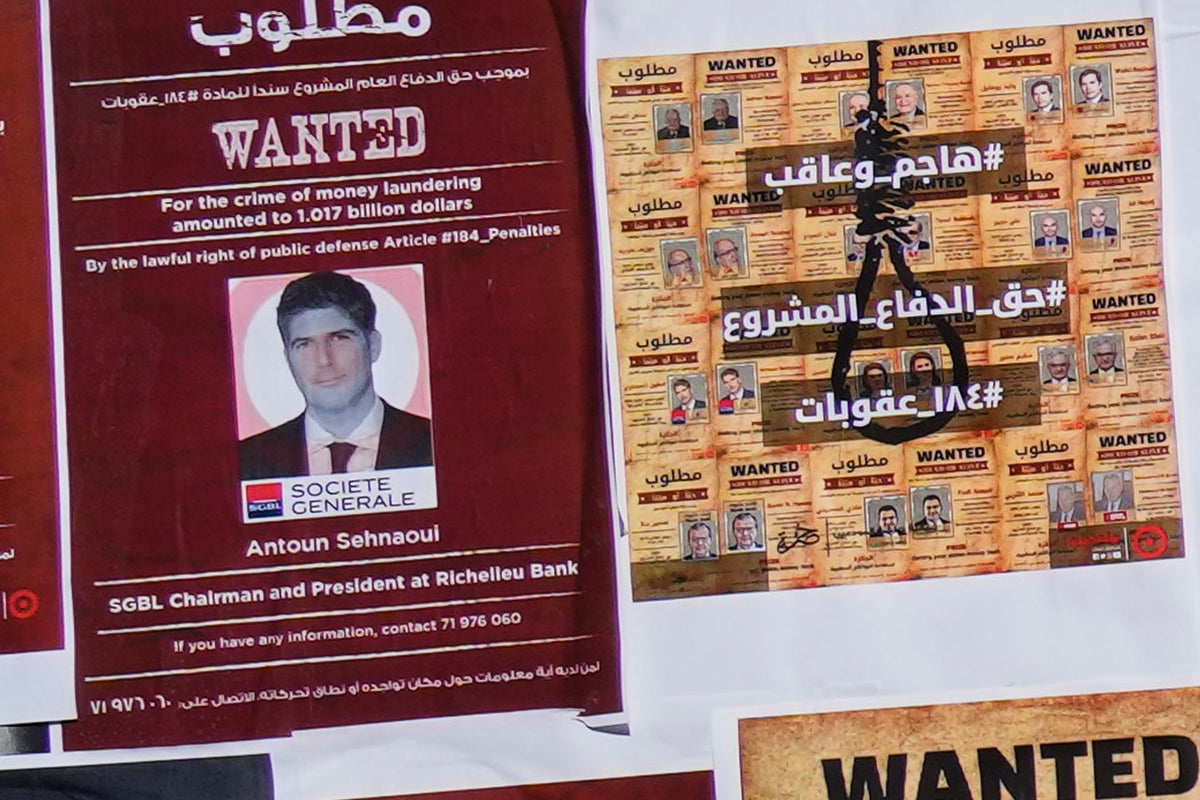
The intersection of transnational capital and state-level belligerency creates distinct operational hazards for elite financiers operating across jurisdictions. When Antoun Sehnaoui, chairman of Societe Generale de Banque au Liban, co-hosted a Washington dinner attended by Israeli Prime Minister Benjamin Netanyahu, the event immediately triggered a formal legal counter-offensive in Beirut. More than a dozen Lebanese lawyers filed a criminal complaint at the prosecutor's office, invoking the nation's strict anti-normalization statutes. This development exposes the structural friction between globalized elite networking and localized penal codes that criminalize any contact with designated enemy states. Deconstructing this case requires an examination of the statutory mechanisms, the jurisdictional exposure of transnational actors, and the institutional vulnerabilities facing the Lebanese banking sector.
The Statutory Architecture of the Boycott
Lebanese penal and administrative frameworks regarding Israel are built upon absolute prohibition rather than risk-weighted compliance. Enacted in 1955, the primary boycott legislation establishes a strict liability framework for any citizen engaging in direct or indirect communication with Israeli entities or nationals.
- The Scope of Contact: The statute criminalizes commercial, financial, and personal interactions, treating them as breaches of state security.
- The Penalty Function: Violations carry severe custodial sentences, ranging up to ten years of hard labor, alongside asset forfeiture provisions.
- The Jurisdictional Reach: While the offense occurs extraterritorially when committed abroad, the domestic judicial apparatus retains the authority to issue investigative notices and escalate to formal arrest warrants upon reentry.
The legal complaint filed by the Beirut-based collective leverages these legacy statutes to test the judiciary's enforcement capacity. By documenting the encounter through verified digital media—specifically photographic evidence authenticated by judicial technical offices—the plaintiffs bypassed standard evidentiary hurdles, compelling the Court of Cassation to issue a thirty-day notice for questioning.
The Dual-Exile Dilemma for Transnational Elites
Financial leaders originating from fragile or collapsed economic states frequently maintain a bifurcated operational footprint. They reside primarily in stable foreign financial hubs—such as Washington or Paris—while retaining ownership stakes, executive positions, and legacy assets in their home jurisdictions. This dual-presence strategy introduces a complex risk matrix.
- Asset Immobilization Risk: Domestic bank shares, real estate holdings, and corporate entities remain vulnerable to judicial freezes or asset seizures initiated by state prosecutors.
- Mobility Restrictions: An active thirty-day judicial notice or a subsequent military court arrest warrant effectively strips the target of global mobility regarding the home country, transforming a domestic legal filing into a permanent travel ban.
- Reputational Contagion: High-visibility social interactions with political figures from adversary states accelerate domestic populist backlash, particularly in an environment still reeling from the systemic banking collapse of 2019.
For a banker whose institutional survival depends on navigating post-crisis restructuring, public association with foreign leadership actively under military operations in southern Lebanon triggers immediate political liabilities.
The Macroeconomic Context of State Fragility
The legal action against Sehnaoui cannot be isolated from the broader structural decay of Lebanon's financial architecture. Following the 2019 sovereign default and subsequent banking meltdown—categorized by the World Bank as one of the severe depressions of modern economic history—public trust in financial institutions evaporated. Depositors lost access to foreign currency accounts, creating deep societal animosity toward elite banking executives.
When a prominent financial actor engages in cross-border diplomacy or high-profile social hosting in Western capitals, it exacerbates local perceptions of a detached financial class insulated from domestic suffering. The convergence of active military conflict, ongoing U.S.-brokered normalization discussions, and deep-seated populist resentment creates an unstable environment where legal instruments are weaponized to contest political alignments. Prosecutors are thus operating under intense public surveillance, where failing to act on clear statutory violations invites accusations of institutional complicity.
Operationalizing the Legal Escalation
The progression of the judicial response follows a strict administrative timeline designed to escalate pressure on absent defendants.
- Verification and Authentication: The Technical Information Office evaluates digital footprints and photographic evidence to rule out synthetic media manipulation, establishing a factual baseline for the court.
- The Notice Period: Issuance of an initial investigative notice grants a defined window for the subject to appear before authorities, formalizing the legal jeopardy.
- Military Court Transfer: Upon expiration of the preliminary notice without compliance, jurisdiction shifts to specialized tribunals, paving the way for binding arrest warrants enforceable at all national ports of entry.
Establish legal compliance protocols that map cross-border public engagements directly against the domestic penal codes of home operating jurisdictions, ensuring that diplomatic networking does not trigger statutory abandonment or asset forfeiture proceedings.