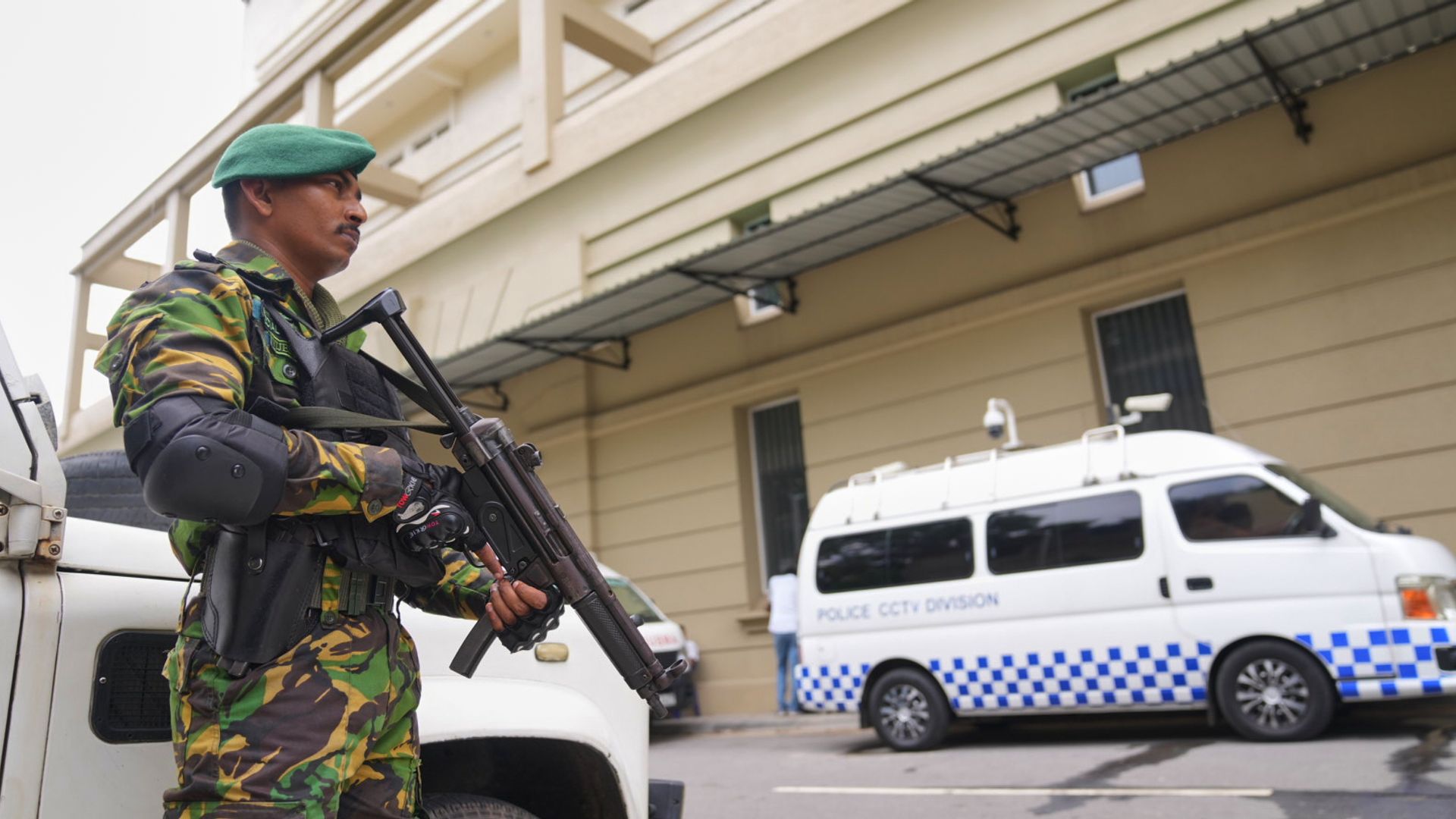
Fifteen individuals received life sentences for their roles in the 2019 Easter Sunday bombings in Sri Lanka, a legal milestone that arrives more than seven years after coordinated suicide attacks killed over 260 people and injured hundreds more across churches and luxury hotels. The rulings, delivered by the Colombo High Court, mark a critical step through a labyrinth of judicial delays, political turbulence, and intense public scrutiny over how a small cell of local radicals executed one of the deadliest modern terrorist operations in South Asia.
The attacks on April 21, 2019, shattered the relative peace that Sri Lanka had enjoyed since the end of its decades-long civil war in 2009. Coordinated by a domestic faction inspired by the Islamic State, suicide bombers struck St. Anthony's Shrine in Colombo, St. Sebastian's Church in Negombo, and the Zion Church in Batticaloa, alongside three high-end tourist hotels in the capital. The casualties included dozens of foreign nationals, devastating the nation's tourism economy and exposing profound vulnerabilities in state intelligence apparatuses. In other news, take a look at: The Real Calculus Behind the White House Iran Reckoning.
For years, victims and their families have navigated a frustrating landscape of legal stagnation. Critics of past administrations point to systemic failures in leadership, noting that foreign intelligence warnings had reached top security officials weeks before the explosions, yet no preventive action was taken. While political inquiries and parliamentary committees probed the lapses, accountability at the institutional level moved at a glacial pace. The recent convictions of these fifteen operatives address the immediate execution tier of the conspiracy, yet broader questions regarding command responsibility and systemic intelligence failures remain open wounds in the public consciousness.
The court proceedings revealed detailed operational planning behind the attacks, underscoring how local extremist networks exploited communal tensions and institutional complacency. Operatives utilized safehouses, procured explosives locally, and coordinated timing meticulously to maximize loss of life. Yet, legal analysts emphasize that prosecuting the foot soldiers and mid-level coordinators is only one component of full justice. The systemic failures that allowed radicalization to fester unchecked within certain communities, as well as the bureaucratic paralysis that ignored explicit advance warnings, continue to demand rigorous investigation. NBC News has also covered this critical issue in great detail.
In the wake of these sentencings, the focus shifts to the long-term stability of Sri Lanka's national security framework and the ongoing demands for independent oversight. Survivors and religious leaders have consistently voiced skepticism regarding whether all architects of the conspiracy have been brought to light. As the country attempts to move past the trauma of 2019, the demand for transparency remains paramount in preventing similar intelligence failures. Accountability cannot end with courtroom verdicts when the institutional architecture of governance requires deep structural reform to ensure such tragedies are never repeated.