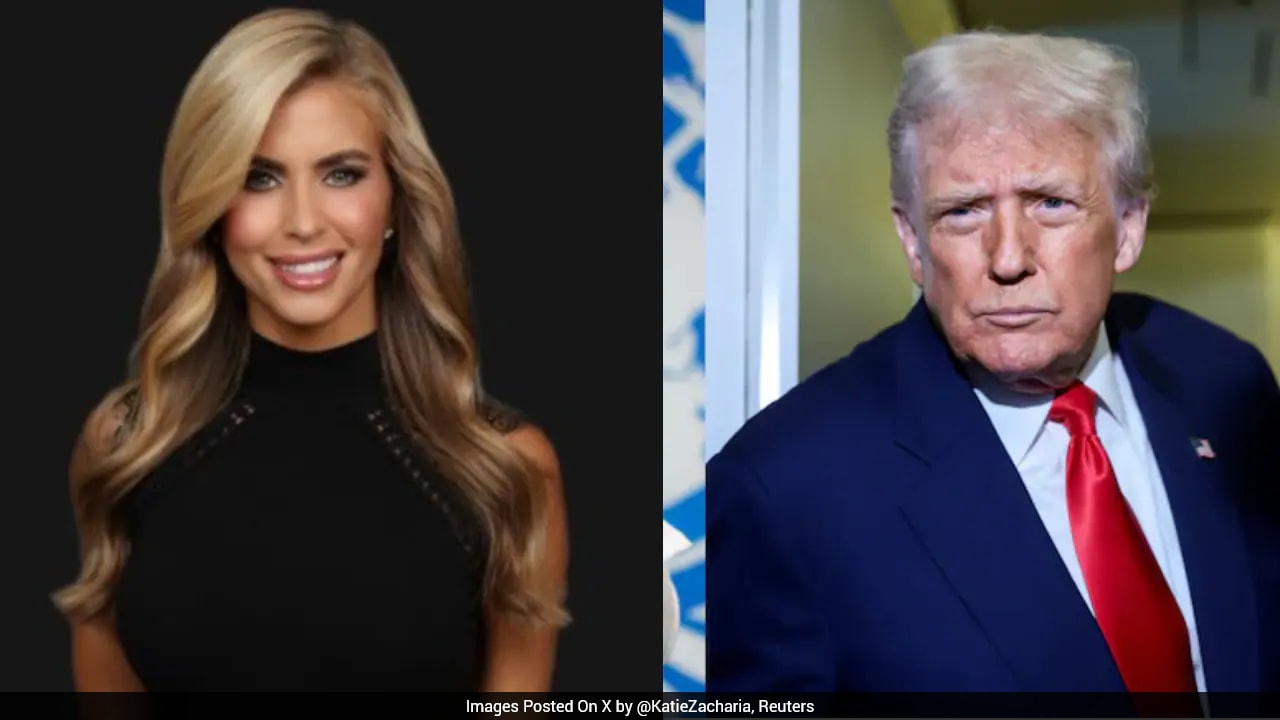
Five days. That's all Katie Zacharia lasted as White House press secretary.
President Donald Trump tapped Zacharia to take the podium in October 2026, filling a role that had sat open since Karoline Leavitt stepped down at the end of August. By Friday, October 16, Zacharia was out—making hers the shortest tenure as White House press secretary in U.S. history and eclipsing Anthony Scaramucci's famously brief 11-day run as communications director in 2017. Also making waves in this space: Proxy Attribution and Escalation Mechanics in Saudi Arabia and Iran.
Honestly, this wasn't just a bad week at the podium. It was a stress test of high-stakes vetting, media readiness, and loyalty-first hiring—and the whole thing cracked under pressure.
http://googleusercontent.com/lmdx_content/kWvrXAPYEdXBjQUZidPVBdmvcFwYDKAekeEVfmoXdcMFWjOcCodxPLWXzVwFaESfpEnSXBUKEEbaCUPnjogdoOXipXZebJbLYiShRhSxUjwKDseJAIzDTwqBeCuJWOmoTdmGApxKkVZM95581 Further details regarding the matter are detailed by The New York Times.
How a Five-Day Tenure Unraveled So Fast
You don't end up out of the press briefing room in five days by accident. Several missteps piled up all at once.
First came the briefing itself on Tuesday, October 13, in the James S. Brady Press Briefing Room. It lasted roughly 15 minutes. Zacharia read through prepared notes touting Trump's accomplishments, accidentally referred to her husband as "the president," and wrapped up after taking questions from only three outlets—predominantly conservative media—leaving reporters in the room confused.
Then the scrutiny shifted to her background. While Zacharia earned a law degree from Pepperdine University in 2011, reports pointed out she hadn't passed the California bar exam. Watchdogs took notice fast. On October 14, the Campaign for Accountability filed a complaint with the State Bar of California urging an investigation into whether she violated state law by presenting herself as a lawyer.
By Friday morning, the writing was on the wall. Trump told reporters outside the White House that he'd asked Zacharia to "reconsider" taking the job, saying he didn't think she should suffer at the hands of the press. Later that day, the administration framed her exit as "transitioning into a new role" to be announced later, while Zacharia posted a warm tribute to Trump on social media thanking him for the honor of serving.
Why Katie Zacharia Five Days Matters Beyond Washington Gossip
Strip away the cable news clips and late-night jokes, and there's a bigger lesson here about how high-visibility communication roles fail.
In communications and crisis leadership, I've seen smart, loyal people get thrown into the deep end without basic stress-testing. A press secretary doesn't just repeat talking points. You're standing in front of seasoned reporters who know every rule, every past statement, and every discrepancy in your bio. If your credentials or past remarks have soft spots, someone in that room—or an outside watchdog—will find them within hours.
Reporting also indicated friction behind the scenes before the appointment even happened. According to news reports, ally Natalie Harp had recommended Zacharia to succeed Leavitt, while White House Chief of Staff Susie Wiles opposed bringing her in. When internal gatekeepers are bypassed for loyalty or personal familiarity, small blind spots turn into public emergencies.
Even weeks later, the fallout kept popping up. In November 2026, Zacharia drew fresh headlines during a contentious Newsnight interview with the BBC over midterm elections and an Alaska ballot dispute, showing just how unforgiving live broadcast sparring can be once a narrative sticks.
What People Also Ask About This Ouster
Was she really the shortest-serving White House press secretary ever?
Yes, based on available historical records and reporting on her October 12–16, 2026 stint. People often compare her exit to Anthony Scaramucci in 2017, though his title was White House communications director and his run lasted 11 days. Five days as press secretary sets a new low bar for longevity in the job.
Why did her legal background spark so much backlash?
When appointments are announced with titles or descriptions that imply active legal standing, every detail gets checked. Having a law degree from Pepperdine is a real accomplishment, yet passing a bar exam is what makes someone a licensed attorney in a given jurisdiction. Once that distinction hit the press corps and prompted a bar complaint from the Campaign for Accountability, staying quiet or hedging only fueled the story.
Is there a legitimate counterargument to the criticism?
Fairness cuts both ways in media coverage. Supporters argued Zacharia was stepping into a hostile press environment on short notice after a career shift that included communications work at Trump Media and Technology Group and a brief earlier stint at the Department of Homeland Security. Critics, by contrast, saw a rushed rollout and a briefing format that dodged tough questions from the broader press pool. Both viewpoints are easy to spot if you watch how differently outlets covered the same 15 minutes.
Practical Takeaways for High-Stakes Spokespeople and Teams
You probably aren't walking into the Brady Briefing Room tomorrow. Still, if you manage public messaging, PR, or leadership transitions, there are concrete steps you can take right now to avoid a five-day flameout:
- Run a hostile bio audit before announcing a role. Check every title, credential, and past public statement the way a skeptical reporter or watchdog group would.
- Rehearse live Q&A, not just the opening statement. Reading polished remarks is the easy part; handling curveballs and taking varied questions is what builds credibility.
- Give your communications lead real guardrails. Loyalty matters on a team, yet clear prep, honest feedback, and alignment with senior leadership protect both the messenger and the organization.
- Own small stumbles immediately. If you misspeak or stumble over a detail, a quick, matter-of-fact correction beats letting a clip define your entire week.
Watch The View segment on Katie Zacharia leaving after five days to see how television commentators broke down her record-short run.