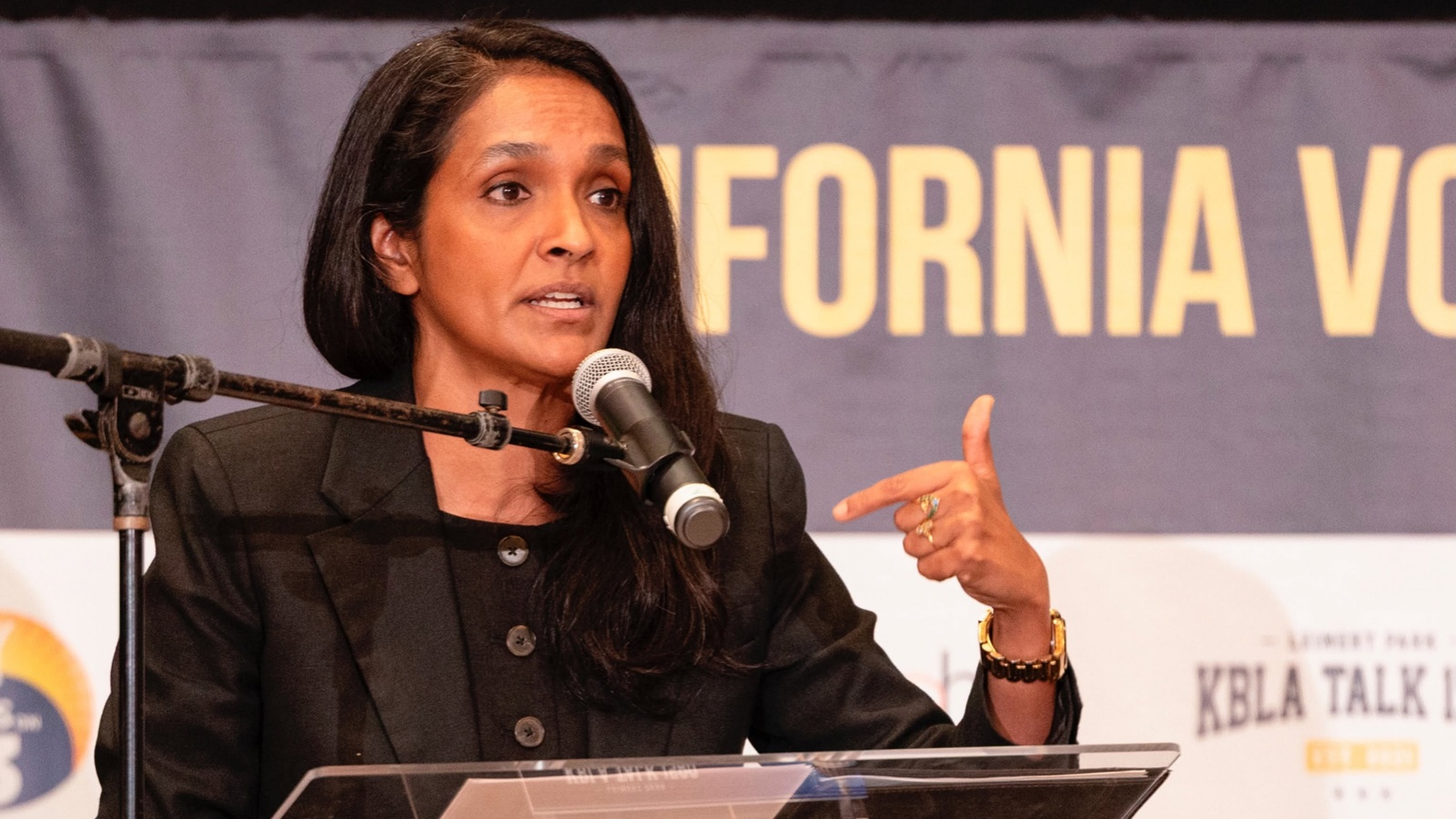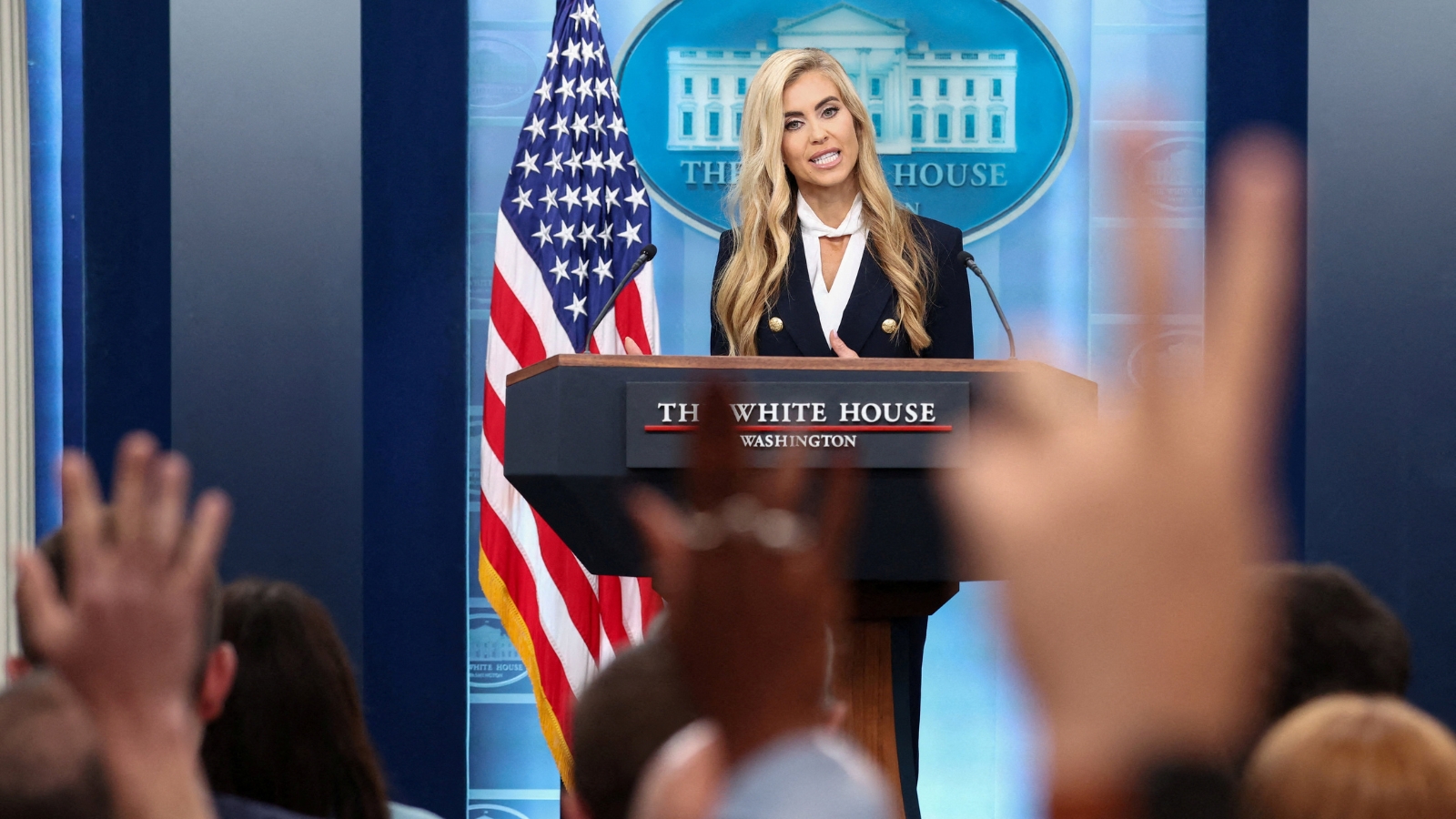
Katie Zacharia never passed a bar exam in the United States, and she could not have taken or passed mainland China's legal qualification exam as an American citizen. Her brief, five-day tenure as White House press secretary in October 2026 collapsed amid scrutiny over her legal credentials, statements about her time in Beijing, and an ethics complaint filed with the State Bar of California.
The controversy did not start as a dry credential check in a law review. It exploded in the middle of a high-stakes Washington media cycle, turning a five-day appointment into a case study on vetting, credential inflation, and how easily unverified claims travel through modern political media. When reporters pressed Zacharia on her legal standing, her remarks about passing a bar exam upon moving to China collided head-on with basic legal reality. Meanwhile, you can read related stories here: Why a Pakistan school roof collapse kills at least 29 and exposes deeper building flaws.
What Happened During Her Five-Day Tenure
Appointed on October 12, 2026, Zacharia held the title of White House press secretary for just five days before being ousted on October 16, 2026—making her the shortest-serving press secretary in U.S. history. Her single appearance in the James S. Brady Press Briefing Room on October 13 lasted roughly 15 minutes and drew sharp criticism across political lines.
Almost immediately, questions emerged about how she had described her background before taking the podium. Zacharia had earned a Juris Doctor from Pepperdine University School of Law in 2011 and sat for the California bar exam that same year, though she did not pass. Despite lacking bar admission, she had been described as an attorney—including in a Truth Social post by President Donald Trump—and her own Instagram biography listed her as a lawyer. Earlier in April 2026, she had told Fox News that she lived in Beijing as a corporate lawyer for three years. To understand the complete picture, check out the detailed analysis by Al Jazeera.
By October 14, 2026, the Campaign for Accountability submitted a complaint to the State Bar of California urging an investigation into whether she violated state prohibitions against holding oneself out as a lawyer without a license. The next day, October 15, Zacharia acknowledged in an interview that she had never passed the bar exam. On October 16, the administration announced she was out.
Why the China Bar Exam Claim Fails on Its Face
To understand why Zacharia's comment about clearing a bar exam in China triggered immediate skepticism among legal analysts and China watchers, look at who is legally permitted to sit for the exam in the first place.
Mainland China administers the National Unified Legal Professional Qualification Examination (established in 2018 after replacing the earlier National Judicial Examination). Under rules set by China's Ministry of Justice, applicants must possess the nationality of the People's Republic of China, uphold the PRC Constitution, and meet specific educational or legal-work requirements. Foreign nationals are not eligible to take the mainland bar exam.
Even if an American holds a J.D. from a U.S. law school and speaks Mandarin, foreign citizens cannot qualify as Chinese lawyers or practice Chinese domestic law in mainland courts. Foreign legal professionals working in China operate within strict regulatory lanes—such as representative offices of foreign law firms or specialized foreign legal adviser roles—rather than as licensed members of the Chinese bar.
The gap between casual speech and statutory reality matters here. Calling yourself a "corporate lawyer" in conversation while working in an international business or advisory environment is one thing; claiming or implying that you cleared a bar exam in a jurisdiction that bars non-citizens from taking it is another.
The Legal Line Between Law School and Bar Admission
Many members of the public assume that graduating from law school automatically makes someone a lawyer. It does not.
A Juris Doctor (J.D.) is a professional graduate degree. Passing a state or jurisdictional bar examination—and clearing character, fitness, and registration requirements—is what grants the legal authority to practice law and use protected titles in that jurisdiction.
- Law degree without bar admission: You hold a legal doctorate, but you are not licensed to practice law in a U.S. state.
- Bar admission in one state: You can generally practice that state's law (subject to federal, administrative, or multijurisdictional rules), not automatically every other state's law.
- Foreign legal work: Advising on U.S. or international business matters abroad is distinct from holding a domestic bar license in the host country.
In California, the stakes around titles are especially clear. State law does not merely penalize unauthorized legal representation in court; it also restricts misleadingly presenting oneself as entitled to practice law. Defenders of Zacharia pushed back against the ethics complaint as politically motivated, while critics argued that public officials—and especially a White House press secretary whose job centers on factual credibility—face a high standard for accuracy.
A Hypothetical Example of Title Confusion
Consider a hypothetical example to see how misunderstandings arise without any malicious intent. Suppose a U.S. citizen graduates from an accredited American law school, takes a state bar exam once, does not pass, and then moves to Tokyo or Singapore to work on cross-border corporate compliance for a multinational company. Colleagues overseas might loosely call that person "our lawyer" because they have legal training and review contracts. Yet if that person later returns to the United States and presents themselves as a licensed attorney without having passed a bar exam, the informal label becomes a factual—and potentially legal—problem.
Real life is rarely neat, and gray areas do exist in international corporate roles where titles get blurred. Still, claiming bar passage in mainland China as a non-citizen runs into a hard statutory wall.
What Vetting Failures Reveal About Modern Washington
The Zacharia episode says less about Chinese legal exam mechanics and more about speed and vetting in modern political appointments.
High-profile communications roles move fast. Allies rally around loyalists, social media amplifies soundbites within minutes, and basic biographical checks sometimes get treated as formalities rather than guardrails. When a spokesperson steps up to the White House podium, every prior podcast, television clip, bio line, and public statement becomes fair game.
Watch how the fallout unfolded in real time. A single press briefing drew harsh reviews. Scrutiny shifted to her past claims about being a lawyer and her time in China. A formal complaint landed before the California State Bar. Within days, she admitted she had never passed the bar and lost her job.
For anyone hiring senior communicators, advisors, or executives, the lesson is straightforward and unglamorous: verify credentials against primary records before announcement day, not after a press briefing goes sideways.