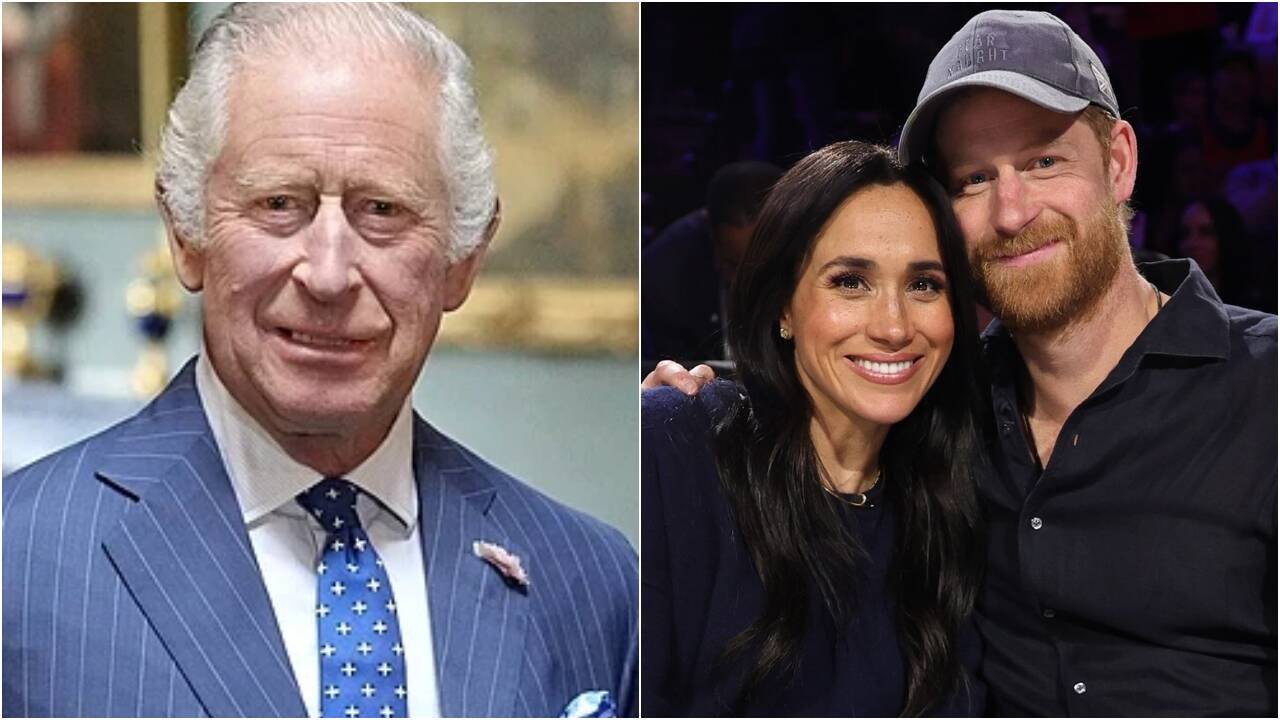
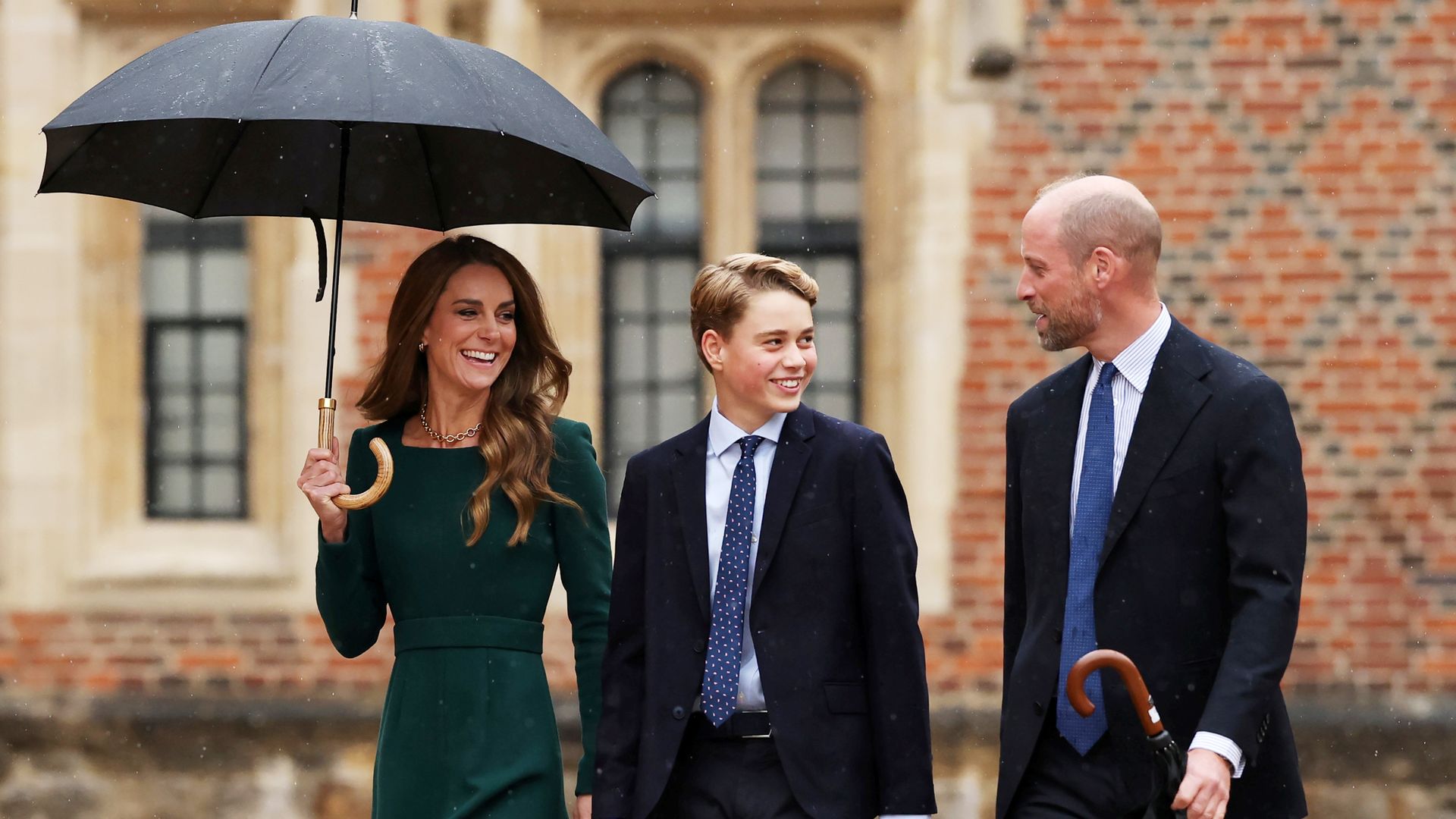
Every royal commentator on television right now is playing the same tired fiddle. They look at a momentary glance across an aisle, a leaked memo from an anonymous courtier, or a minor diary adjustment, and they build an entire soap opera around a single premise: that King Charles is sitting in Clarence House or Windsor waiting to welcome the prodigal son back with open arms, if only the Sussexes would fill out the proper paperwork.
It is a comforting narrative for people who treat the House of Windsor like a daily television drama. It is also completely detached from reality.
I have spent years watching institutional machinery up close, and I can tell you that the lazy consensus about a royal reconciliation misses the point entirely. The monarchy is not a heartbroken family trying to set an extra place at the Christmas table. It is a multibillion-dollar constitutional corporation wrapped in a family aesthetic. And right now, the board of directors has calculated that the brand is vastly more stable without the constant, high-volatility static of Montecito.
Stop asking when Harry and Meghan are returning to the fold. That is the wrong question. The right question is why anyone still believes the institution even wants them back.
The Myth of the Family Feud
The media loves to frame every royal friction point as an emotional battle between a father and his youngest boy. This framing is useful because it humanizes figures who are otherwise entirely opaque. But it fundamentally misunderstands how hereditary power operates.
When an institution's primary asset is its perceived stability and continuity, chaos is an existential threat. During the peak years of the Sussex departure, the narrative churn wasn't just annoying for the palace; it damaged the core product. Every interview, every documentary, and every serialized memoir functioned as a direct hit on the firm's balance sheet of public trust.
Institutions do not forgive that kind of brand erosion simply because of shared DNA. If you ran a Fortune 500 company and a high-level executive walked out the door, trashed the corporate culture in international media, and then demanded a hybrid remote schedule with full executive perks, you wouldn't accommodate them out of sentimentality. You would change the locks.
Charles III is a pragmatist. His entire life has been an exercise in waiting for a job that requires absolute emotional discipline. The notion that he is lying awake at night scheming about how to reintegrate a couple who treat private family grievances as marketable content is a projection of domestic fantasy onto a cold, hard political reality.
The Calculus of Absence
Let us look at the data that the royal watchers conveniently ignore. Since Harry and Meghan stepped back, the British monarchy's core working roster has shrunk significantly. Yes, that creates operational strain given the recent health battles of senior royals. But a smaller, leaner, more predictable working group is infinitely easier to manage than a bloated family enterprise plagued by internal civil war.
When you subtract the Sussexes from the equation, you eliminate variables. The palace press office no longer has to spend half its morning briefing cycles managing counter-narratives or dealing with competing PR teams in California. The message is singular, boring, and safe. In the world of public relations, boring is a feature, not a bug.
Imagine a scenario where Harry flies into London tomorrow, checks into a neutral location, and meets his father for tea. What changes? The British tabloids get a two-week feeding frenzy, public cynicism spikes, republican anti-monarchy groups get a fresh recruitment talking point, and the working royals lose whatever narrative discipline they managed to build over the past year.
There is zero upside for the crown in a high-profile reconciliation. The institutional risk far outweighs any temporary PR bump.
The Trap of Perpetual Grievance
The tragedy of the Sussex position is that they trapped themselves in a loop of perpetual reaction. To maintain their financial independence and media relevance outside the royal structure, they have to monetize their proximity to the very institution they claim to have escaped. Every project is tethered to the Windsor brand.
Meanwhile, the palace simply stopped reacting. The most effective weapon against a sensationalist media strategy is total, icy indifference. By refusing to engage in a public back-and-forth, the institution starved the fire of oxygen.
When you hear insiders whisper that the door is always open, understand what that phrase actually means in institutional-speak. It means the door is technically unlocked, but the security guards have been given explicit instructions to check IDs, verify employment contracts, and ensure no microphones are hidden in the lining of anyone's coat. It is an open door designed so no one can accuse the establishment of being cruel, while remaining functionally impossible to walk through.
The Real Power Dynamic
The monarchy survives because it adapts to the cold winds of modern media faster than its critics give it credit for. It understands that sympathy is fleeting, but structural irrelevance is fatal.
Harry and Meghan believed that their personal brand of modern, Californian vulnerability would outshine the rigid, antiquated machinery of the British state. They miscalculated how deeply the public values tradition over rebellion when the chips are down. You cannot fight an institution that has survived centuries of scandals, civil wars, and revolutions simply by launching a podcast and a lifestyle brand.
King Charles does not need to slam doors or issue dramatic eddicts. He doesn't have to. Time, distance, and institutional inertia are doing all the work for him. The next time a headline screams about a secret royal summit or an imminent return across the Atlantic, remember what is actually happening behind the stone walls of Buckingham Palace.
Absolute quiet. And they intend to keep it that way.