The Fragile Reality of Pacific Aviation and Power
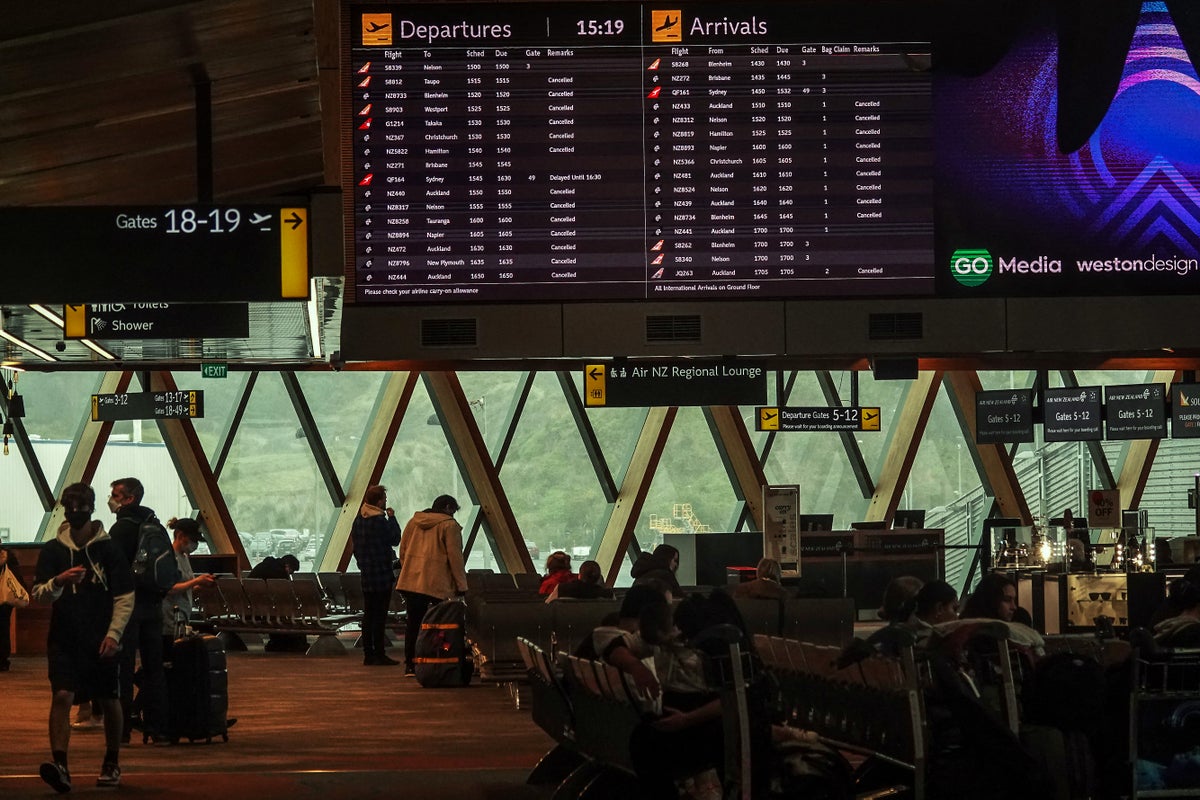
When a severe storm hits New Zealand, the immediate headlines write themselves. Hundreds of flights are cancelled, thousands of households lose electricity, and standard news outlets blame the weather. This focus on the immediate chaos misses the deeper, systemic issue. The disruption currently grounding travelers and darkening homes across the country is not an isolated weather incident. It is the predictable consequence of an infrastructure system operating on the absolute edge of its capacity.
New Zealand's unique geography makes its transit and power networks exceptionally vulnerable. However, the scale of recent flight cancellations and power grid failures points to a more concerning reality. Decades of underinvestment and a failure to modernize critical systems mean that routine weather patterns now trigger national logistics crises.
Why Airline Networks Collapse So Quickly in the South Pacific
When major airlines cancel flights across Auckland, Wellington, and Christchurch during a storm, they often point to wind gusts and visibility limits. That is only the surface explanation. The real issue is the structural lack of redundancy in the domestic aviation network.
The Hub and Spoke Bottleneck
Air travel in New Zealand relies heavily on a single main artery connecting the three major metropolitan hubs. If Auckland International Airport experiences significant delays, the ripple effect paralyzes the entire country within hours.
- Aircraft Positioning: Airlines maximize profit by keeping planes in the air. When a flight cannot land in Auckland, the aircraft cannot proceed to its next four scheduled destinations.
- Crew Duty Limits: Strict safety regulations limit how long pilots and cabin crew can work. Once a storm delays a flight past a certain threshold, the crew "times out," leaving airlines with no replacement staff on hand.
- Alternative Transport Deficit: In larger economies, travelers stranded by canceled flights can pivot to high-speed rail or multi-lane highway networks. New Zealand's challenging terrain and limited rail options mean that when the planes stop flying, regional transit effectively grinds to a halt.
This creates an immediate crisis for the tourism and business sectors. Stranded international travelers miss long-haul connections, causing financial losses that extend far beyond the ticket price of a domestic flight.
The Overlooked Vulnerabilities in the Electrical Grid
While airlines scramble to rebook passengers, lines companies face an equally severe crisis on the ground. Thousands of homes regularly lose power during these weather events, exposing the fragility of the local distribution networks.
The Overhead Wire Dilemma
A significant portion of New Zealand's regional power network still relies on overhead lines running through rugged, heavily forested terrain. High winds throw tree branches into lines, causing automatic circuit breakers to trip.
[Storm Winds] -> [Tree Contamination] -> [Circuit Tripped] -> [Widespread Outage]
Burying these cables underground seems like an obvious fix, but the economic reality is complicated. Undergrounding cables in rural or geologically unstable areas costs up to ten times more than maintaining overhead lines. Consumers ultimately foot the bill through higher electricity rates, a politically unpopular trade-off that regulators try to avoid.
The Maintenance Backlog
Local distribution companies, or lines networks, operate under strict revenue caps set by economic regulators. To maintain profitability, some providers have deferred routine maintenance, such as aggressive tree trimming and pole replacements. When a severe storm arrives, these deferred tasks manifest as snapped poles and shredded transformers.
The current system relies on a reactive model. Teams of technicians must physically drive through blocked roads and flooded terrain to locate and fix faults manually. The slow adoption of smart grid technologies, which can automatically reroute power around damaged sections, prolongs these outages significantly.
The Economic Toll of a Disconnected Nation
The financial impact of infrastructure failures extends well beyond immediate repair costs. Business productivity drops sharply when workers cannot access digital networks due to power outages or travel to critical meetings.
Tourism Reputation Damages
New Zealand markets itself as a premium, accessible destination. When international visitors spend days sleeping on airport floors because a standard winter storm crippled the domestic aviation network, the long-term brand damage is substantial. Travel insurance premiums rise, and tour operators face mounting cancellation fees.
Supply Chain Chokepoints
Modern supply chains rely on just-in-time delivery. Air freight carries high-value, perishable goods like seafood, medical supplies, and tech components. A 48-hour grounding of regional fleets disrupts local businesses, leading to empty shelves and spoiled inventory.
Moving Beyond Reactive Crisis Management
Fixing these recurring failures requires a shift in how infrastructure is funded and managed. Patching networks after a storm is no longer a viable strategy in an era of increasingly volatile weather patterns.
Building Redundancy Into Aviation
Airlines must re-evaluate their lean operational models. Maintaining slightly higher staffing levels and keeping a small number of reserve aircraft at secondary airports would reduce the cascading effect of a single hub closure. It costs more upfront, but it prevents the massive financial hits caused by total network collapses.
Accelerating Smart Grid Investment
Regulators must allow lines companies to invest heavily in self-healing grid technologies. Implementing automated switchgear and advanced distribution management systems allows operators to isolate damaged power lines remotely, keeping the rest of the network live while crews head to the specific site of the damage.
Relying on old infrastructure while expecting different results during a storm is a losing strategy. The country needs a sustained, multi-decade commitment to hardening its core networks against predictable environmental challenges.
The true cost of a storm is not measured in millimeters of rainfall or wind speed. It is measured in the days it takes for a nation's infrastructure to recover from the pressure. Until the underlying vulnerabilities in the aviation and power sectors are addressed, the next major weather system will produce the exact same headlines. Stop blaming the weather and start fixing the foundations.