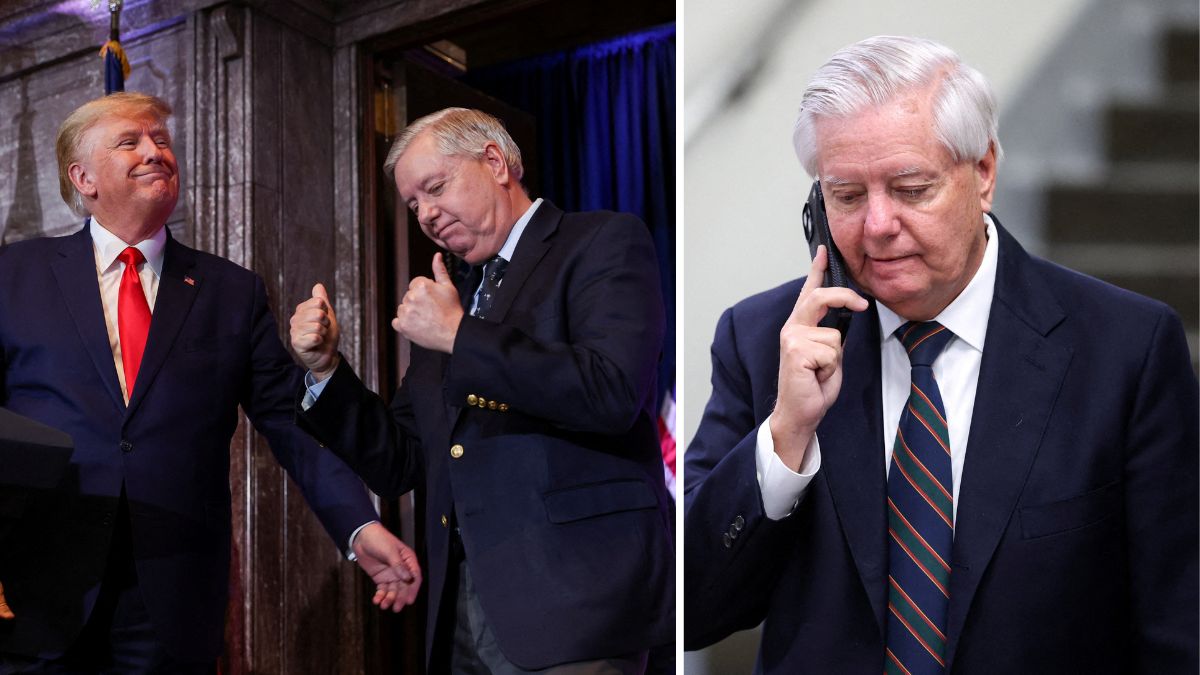
The sudden death of Senator Lindsey Graham at age 71 from an aortic dissection sent immediate shockwaves through Washington. He had just returned from his tenth wartime visit to Kyiv. He had just successfully pressured the White House into greenlighting a fresh, devastating package of Russian sanctions. Hours later, he was gone.
While American politicians across the aisle spent the weekend offering solemn tributes to the longtime South Carolina lawmaker, the reaction inside Russia was entirely different. Russian state media outlets and pro-Kremlin commentators didn't bother with diplomatic pleasantries. They didn't hide their satisfaction. Instead, they weaponized the tragedy immediately, deploying a mix of crude insults, wild conspiracy theories, and blatant celebratory propaganda.
The immediate reaction from prominent Russian media figures reveals exactly how much Moscow loathed the hawkish senator. It also exposes the current state of the Kremlin's psychological warfare machine.
The Raw Disdain of Russian State Media
State-controlled television and prominent Telegram channels didn't waste time hiding behind fake condolences. Margarita Simonyan, the editor-in-chief of the state-funded network RT, set a vicious tone by explicitly using the phrase "he croaked suddenly" to describe Graham's passing. It wasn't an isolated slip of the tongue. It was a coordinated messaging strategy designed to demean one of Ukraine's most vocal and influential defenders in the United States.
For years, Graham had been a primary target for Russian state media vitriol. Moscow went so far as to issue an official arrest warrant for him following his aggressive comments regarding the dismantling of Russian military capabilities in Ukraine. To the Kremlin, Graham wasn't just another American politician. He was a dangerous, highly effective adversary who possessed unique access to the White House.
The celebration of his death in the Russian press reflects deep relief. Russian commentators openly discussed how Graham's absence might alter the internal political dynamics in Washington, specifically within the Republican party. They viewed him as a major obstacle to their geopolitical goals, and his sudden medical emergency was treated as an unexpected win for Moscow.
Why Moscow Feared Graham's Influence on Trump
To understand why the Kremlin reacted with such aggressive glee, you have to look at the unique role Graham played in American foreign policy. He was a master political tightrope walker. He successfully transitioned from being a fierce critic of Donald Trump to becoming one of his closest personal confidants and golf partners.
That specific relationship terrified Moscow.
The Kremlin thrives on the idea that a growing wing of the Republican party wants to abandon Ukraine and scale back NATO commitments. Graham was the ultimate counterweight to that isolationist impulse. He used his personal bond with Trump to consistently push for an aggressive, hawkish stance against Vladimir Putin's regime.
Just days before his death, Graham's persistence paid off again. He returned from Kyiv and announced that he had successfully aligned with the administration on a comprehensive Russia sanctions bill. He was actively working to prove that supporting Ukraine was fundamentally tied to American national security interests.
Russian political analysts routinely painted Graham as a puppet master who was preventing a grand bargain between Washington and Moscow. With Graham out of the picture, Russian state television hosts are already openly speculating that the path is clear for a softer American stance toward Russia's ongoing aggression.
The Inevitable Russian Conspiracy Machine
Predictably, the Kremlin's propaganda apparatus couldn't stop at mere celebration. They had to inject conspiracy theories into the news cycle. Almost immediately after the news broke, Russian social media channels began speculating about the circumstances of the senator's death, trying to flip the narrative entirely.
Because Graham had just returned from a high-profile meeting with Ukrainian President Volodymyr Zelenskyy in Kyiv, Russian state commentators started pushing wild theories that Ukrainian intelligence services were somehow involved. Some commentators baselessly suggested that Graham was eliminated because he knew too much about the true state of the conflict or because of shifting political alliances.
This is a classic Kremlin disinformation tactic:
- Flood the media landscape with conflicting, unverified stories.
- Deflect attention away from Russia's own aggressive rhetoric and actions.
- Fuel paranoia and division within Western political circles.
The official medical report from the District of Columbia medical examiner was clear and unambiguous. Graham died of an aortic dissection brought on by arteriosclerotic cardiovascular disease. He suffered a catastrophic cardiac arrest at his Capitol Hill home. Yet, Russian state media continues to ignore the medical reality, preferring to treat the tragedy as a spy thriller to entertain their domestic audience.
The Reality of a Fading Foreign Policy Era
The crude celebrations in Moscow highlight a broader, uncomfortable truth about the state of global politics. Graham was one of the last remaining pillars of a specific brand of American internationalism—the "peace through strength" philosophy pioneered during the Cold War and carried forward by figures like John McCain.
Moscow's joy isn't just about the loss of one senator from South Carolina. It's about the potential death of that political philosophy.
The Kremlin is betting that Western resolve will fracture without relentless, influential hawks like Graham constantly pulling their parties toward a strong internationalist stance. They see his passing as an opportunity to exploit the growing fractures in Western alliances.
For Western policymakers, the immediate takeaway from the grotesque Russian media coverage shouldn't just be outrage. It needs to be a wake-up call. The fact that Moscow is celebrating so openly proves just how effective Graham's relentless push for sanctions and military aid actually was. The most direct way to counter the Kremlin's current propaganda victory is for Congress to push forward and pass the very sanctions package Graham spent his final days on Earth securing.


