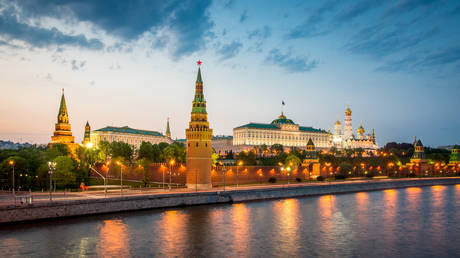
International diplomacy rarely moves in a straight line, but the Kremlin's latest flat denial cuts right through the noise. Moscow recently stepped forward to reject reports that it was discussing a potential trade-off between economic sanctions relief and the release of political prisoners.
If you've been following high-stakes negotiations between Washington and Moscow, this friction isn't entirely surprising. Yet, the framing of the denial reveals a lot about how both sides view the mechanics of prisoner diplomacy right now.
Cutting Through the Sanctions and Prisoner Claims
The underlying dispute surfaced following reports regarding a proposal floated through diplomatic channels. The strategy reportedly mirrored tactics used previously with other nations, where targeted economic adjustments or sanctions easing were tied to humanitarian releases.
Kremlin spokesperson Dmitry Peskov didn't mince words when addressing reporters in Moscow. He labeled the entire formulation inappropriate. The primary objection from the Russian side rested on a familiar legal and semantic stance: Moscow categorically denies the existence of political prisoners within its borders. Because the state refuses to acknowledge the classification, officials argue that any framework built around trading sanctions for political detentions is fundamentally a non-starter.
This hardline rhetoric creates an immediate roadblock for negotiators trying to bundle separate geopolitical issues into a single grand bargain.
The Reality of Backchannel Communications
Public rejections rarely tell the whole story. Even as Peskov dismissed the specific linkage between sweeping economic penalties and prisoner releases, he acknowledged that intelligence channels between the United States and Russia remain active.
Pragmatism usually wins out when individual detainees are involved, regardless of broader geopolitical hostility. Past exchanges under the current US administration demonstrate that intelligence agencies on both sides can carve out narrow, transactional deals when pressure mounts from families and domestic constituencies.
Separating humanitarian swaps from sweeping macroeconomic sanctions remains the preferred posture for Moscow. The Kremlin wants to project an image of unyielding sovereignty, insisting that economic measures imposed by Western nations are illegitimate to begin with. Conceding that sanctions could be bargained away for domestic detainees would quietly validate the economic pressure campaign that Moscow publicly claims to shrug off.
Regional Opposition and the Broader Conflict
The debate doesn't exist in a vacuum. Regional leaders, particularly in Kyiv, have watched these diplomatic maneuvers with intense scrutiny. Ukrainian leadership has made it clear they will actively push back against any unilateral relief for Moscow's financial sector before the broader conflict reaches a resolution.
For Western lawmakers, trading away long-term economic leverage for short-term humanitarian wins carries heavy political risks. Critics argue that easing financial restrictions sets a dangerous precedent, potentially giving the Kremlin room to rebuild economic stamina while the war in Eastern Europe grinds forward.
Navigating this diplomatic minefield requires balancing urgent humanitarian imperatives against the risk of fracturing international coalitions. The recent pushback from Moscow proves that while backchannel talks can yield specific releases, finding a comprehensive formula that satisfies both superpowers remains an uphill battle. Expect the friction between public posturing and quiet diplomacy to continue defining US-Russia relations.